Billions of dollars in alleged fraud tied to Medicaid, pandemic loans and healthcare programs are forcing the federal government into one of the largest enforcement crackdowns in years — exposing growing weaknesses inside programs millions of Americans depend on every day.
What started as scattered fraud investigations has expanded into a nationwide push touching healthcare providers, childcare centers, immigration work programs and federal lending programs. The numbers involved are now so large that the investigations are beginning to feel less like isolated criminal cases and more like signs of deeper instability inside major public funding networks.
The White House Task Force to Eliminate Fraud, backed by President Donald Trump and Vice President JD Vance, says the effort is designed to recover taxpayer money and restore confidence in federal programs after years of alleged abuse. But the widening crackdown is also revealing how much public money flowed through weakened safeguards during the pandemic years, when emergency approvals and rapid spending dramatically expanded government support programs.
Now the effects are beginning to hit healthcare providers already operating under financial stress.
Hospitals, hospice operators, home health agencies and regional care groups are dealing with tighter reviews, delayed reimbursements and growing cash-flow strain while much of the healthcare sector continues struggling with labor shortages, rising costs and staff burnout. Smaller providers may not survive long payment freezes. Many were already fighting to stay financially stable before the investigations accelerated.
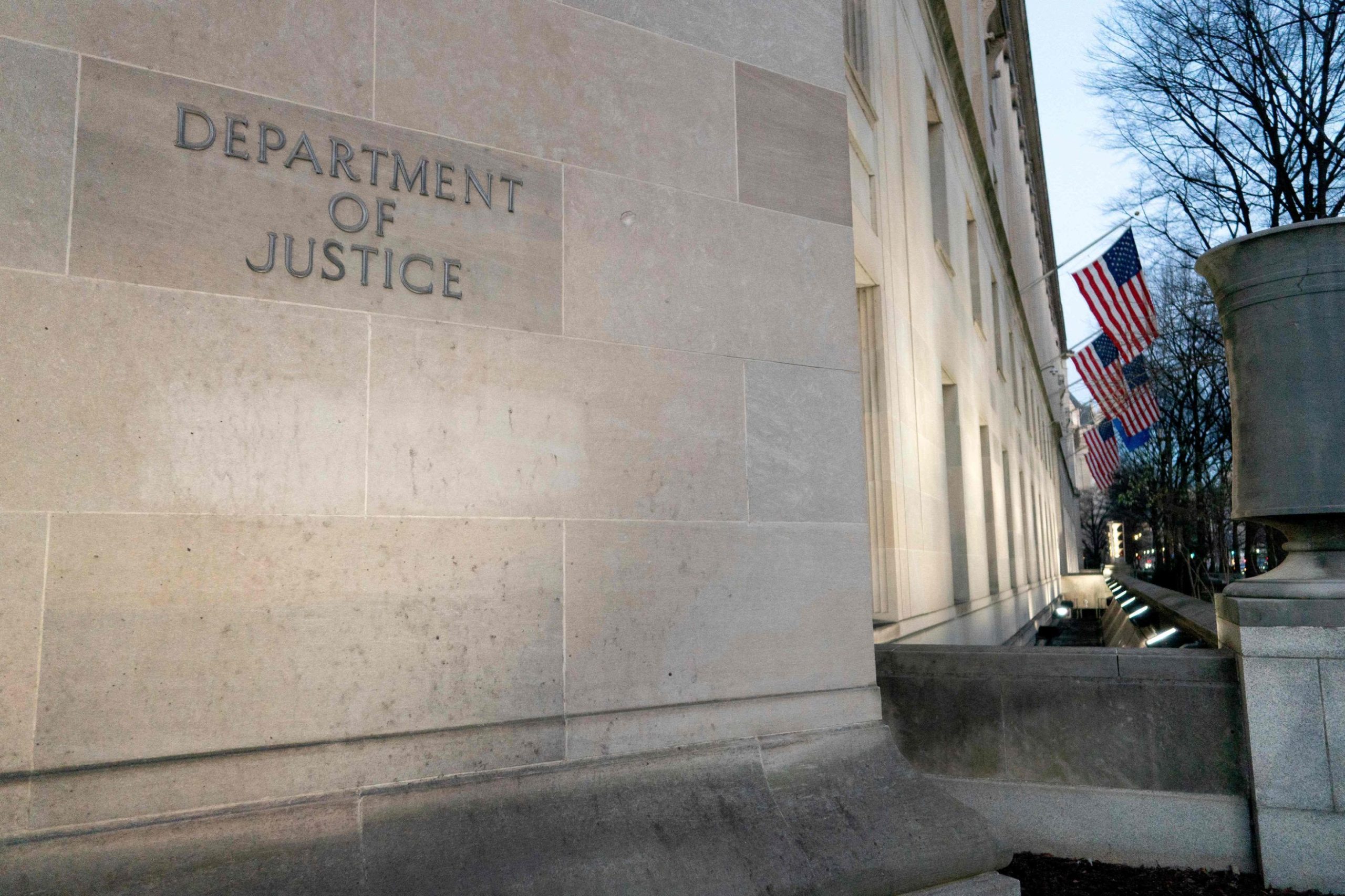
In Los Angeles alone, hundreds of hospice and home health providers have been suspended amid allegations of widespread fraud. Federal prosecutors have also pursued large healthcare fraud cases in Minnesota and California, while the Department of Justice says it now has roughly 8,000 active fraud investigations underway.
For families relying on publicly funded healthcare, the investigations risk creating another layer of uncertainty around services that already feel stretched in many areas. Funding disruptions, provider shutdowns or slower approvals may not stay inside government offices for long if operators begin cutting services, freezing hiring or pulling back expansion plans.
Healthcare networks are also major employers in many communities. When investigations, reimbursement delays or provider closures begin spreading through those networks, the impact can quickly move into local hiring, wages and access to care — especially in lower-income areas heavily dependent on public programs.
Even people far outside healthcare are likely to recognize the mood surrounding the crackdown. After years of inflation pressure, rising government debt and repeated stories about fraud tied to public programs, many households have become far more skeptical about how taxpayer money is being managed.
The administration’s decision to halt new Medicare hospice enrollments nationwide until fraud controls improve has intensified concern across parts of the healthcare industry. Providers that became used to faster approvals and lighter oversight during the pandemic years are suddenly facing a far harsher environment.
Federal investigators are no longer limiting the crackdown to healthcare alone.
The administration has referred hundreds of thousands of allegedly fraudulent or delinquent pandemic-era loans for collection, launched nationwide Medicaid audits and identified thousands of suspected fraud cases tied to immigration student work programs. Prosecutors have described the investigations as part of a broader effort to regain control over federal money flowing through overstretched public programs.
What is unsettling many businesses, healthcare operators and local communities now is the possibility that investigators are uncovering vulnerabilities far larger than a handful of isolated scams. The growing number of cases is starting to raise uncomfortable questions about how much fraudulent activity may still be buried inside massive public spending programs that expanded rapidly during the pandemic years.
For many Americans, the deeper discomfort is no longer about one fraud case or one investigation. It is the growing sense that programs handling enormous amounts of taxpayer money may have been operating with far weaker safeguards than many people realized — and that tighter oversight, slower funding and rising distrust could now spread well beyond the investigations themselves.