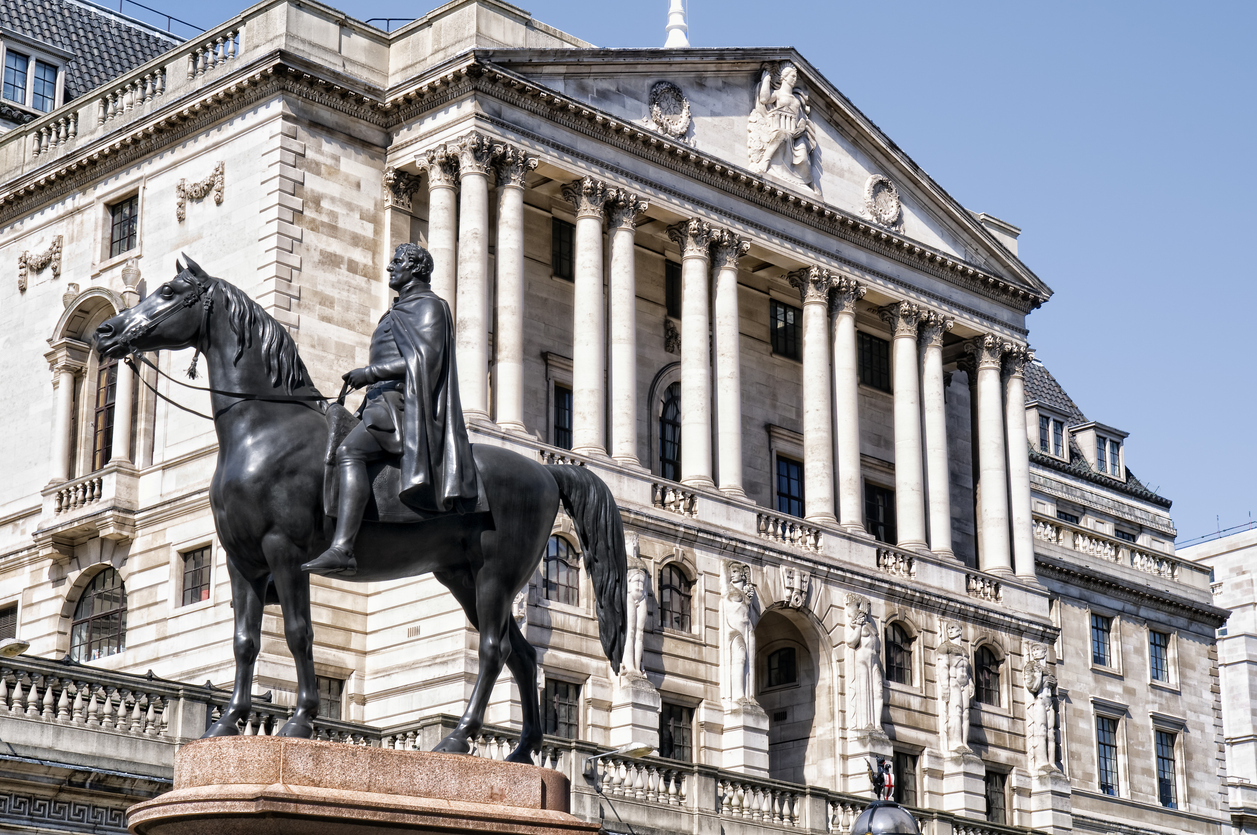
The Bank of England is warning that global investors may be underestimating how vulnerable financial markets have become as households and businesses continue dealing with high borrowing costs, weaker growth and growing geopolitical instability.
Sarah Breeden, the Bank’s deputy governor for financial stability, warned that stock prices continue pushing higher even as risks across the wider economy keep building underneath them. Officials are becoming increasingly focused on whether several fragile parts of the financial world could come under pressure at the same time if investor sentiment suddenly turns.
“There’s a lot of risk out there and yet asset prices are at all-time highs,” Breeden said. “We expect there will be an adjustment at some point.”
Her warning comes as the FTSE 100 and major US indexes remain near record highs despite continuing wars, inflation concerns and signs that parts of the global economy are slowing. Investors are still pouring money into technology companies tied to AI growth, even as many businesses become more cautious with borrowing, expansion and hiring plans.
Inside central banks, attention is increasingly shifting toward how much optimism is now embedded into asset prices after years of cheap money and aggressive risk-taking. Breeden pointed to the danger of several problems colliding together, including a major economic shock, falling confidence in private credit and a sudden repricing of AI-driven investments.
Private credit has become one of the biggest areas of concern.
The industry has expanded from virtually nothing into a $2.5 trillion market over the past two decades, much of it sitting outside traditional banking structures. Pension funds, insurers and investment firms now have deep exposure to these lending markets, yet the sector has never been tested during a severe global downturn on this scale.
If defaults begin rising or liquidity suddenly dries up, the effects may spread well beyond specialist lenders. Regulators are paying closer attention to how tightly connected modern finance has become after years of rapid growth across alternative lending and investment markets.
Recent history has already shown how quickly sentiment can reverse. The Covid crash in 2020 wiped trillions from global equities within weeks before emergency intervention from governments and central banks helped calm investors. Sharp selloffs followed again in 2022 and 2025 as inflation shocks, higher interest rates and trade tensions unsettled markets.
Now the concern is less about one isolated event and more about multiple risks building quietly beneath rising asset prices.
The world’s largest listed companies are increasingly dominated by major US technology firms including Nvidia, Alphabet and Apple. Investors continue betting heavily on future AI-driven earnings growth even as parts of the real economy cool and businesses become more defensive about spending.
Asset prices have continued climbing despite signs that economic momentum is weakening underneath the surface, which is exactly the kind of disconnect central banks fear could unwind abruptly if confidence deteriorates.
For households, the risks extend far beyond traders and investment firms.
Millions of people now rely on pensions, ISAs and retail investing platforms for long-term financial security. A sharp downturn would hit retirement savings and investment portfolios immediately, particularly for people approaching retirement who have less time to recover losses.
If companies begin pulling back hiring and investment to preserve cash, the slowdown could move well beyond financial markets. Businesses facing tighter financing conditions often delay expansion plans, while households dealing with weaker savings and falling portfolio values tend to become more careful with spending.
For economies already struggling with high living costs and slower growth, another major selloff could feed into weaker hiring, softer consumer demand and broader financial caution across both households and businesses.
Breeden stressed the Bank of England is less focused on predicting exactly when markets may correct and more focused on whether the financial system could absorb another major shock without wider instability spreading through the economy.
“What we are watching for is: how might those prices fall? Will there be a sharp adjustment downwards? And if there is such an adjustment, how will that affect the economy?” she said.
Financial markets have continued climbing through inflation shocks, wars and political instability. Central banks are now beginning to sound far less certain that the next major shock would stay contained if several areas of the market came under pressure together.