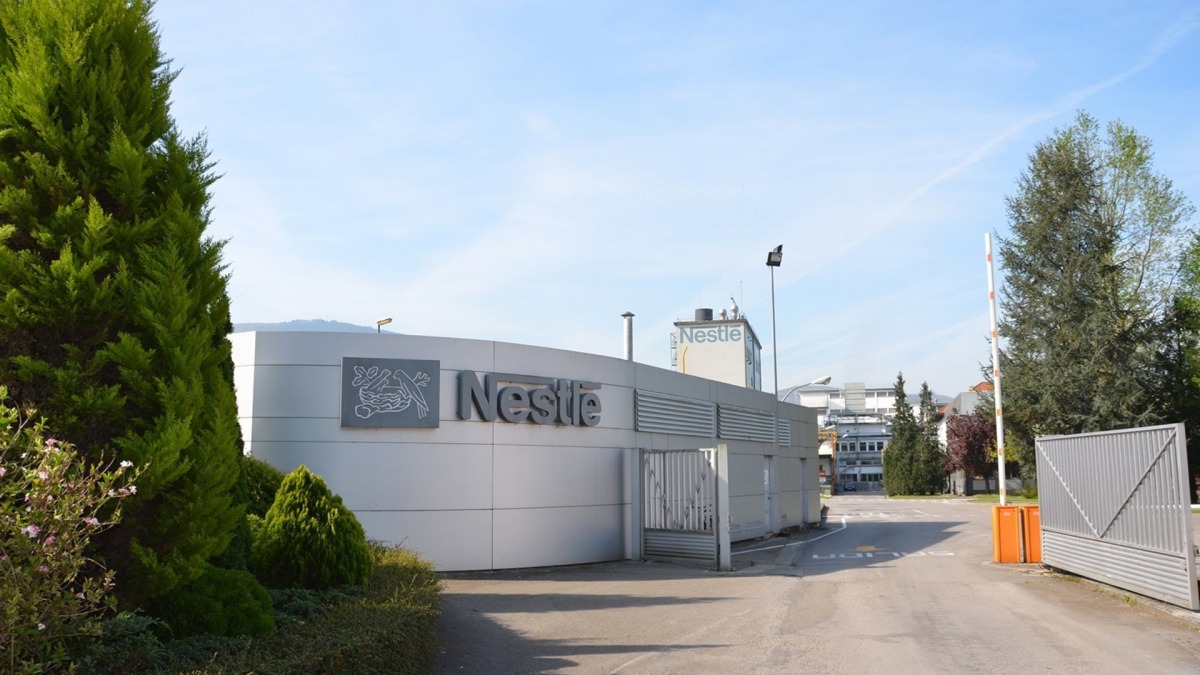
Nestlé employees in Spain are escalating strike action over planned layoffs as one of the world's largest food companies pushes ahead with global job cuts, adding to concerns that even traditionally stable manufacturing jobs are becoming less secure. The dispute comes at a time when many households remain cautious about spending while employers across Europe continue searching for ways to lower costs and improve productivity.
Employees at Nestlé's La Penilla factory in northern Spain have agreed to carry out work stoppages on June 3 and 4 while negotiations continue over a workforce reduction plan affecting dozens of jobs. The action follows a series of shorter strikes that began last month and reflects growing opposition to the company's restructuring efforts.
According to union representatives, Nestlé has reduced the number of proposed layoffs at the site from 49 to 43 positions. While that change has been welcomed by staff, unions argue the cuts still represent a significant loss for a factory that has long provided stable employment in the region.
The dispute has become about more than 43 jobs. Manufacturing employment has traditionally offered a degree of financial certainty that many families now feel is becoming harder to find. When major employers reduce headcount, the effects often spread beyond those directly affected. Local shops, cafés and service businesses can lose customers, household spending tends to soften, and confidence in future hiring can weaken.
Nestlé's workforce reductions are part of a much larger restructuring effort. The company announced plans last year to eliminate around 16,000 positions worldwide, with up to 301 jobs potentially affected in Spain. The latest dispute highlights how global cost-cutting strategies are increasingly colliding with local concerns about employment security.
Several years after energy, transportation and labor costs surged, many food manufacturers are still looking for savings. Demand for everyday consumer products has held up better than many sectors of the economy, yet companies continue streamlining operations in an effort to protect profits and satisfy investors seeking stronger returns.
Many families begin tightening their budgets before any redundancy notices arrive, especially when rumors of job cuts start circulating around a major workplace. Large purchases are postponed, discretionary spending is reduced and plans involving new borrowing are often reconsidered. Those decisions may seem small individually, but they can gradually affect local economies that depend heavily on industrial employers.
Nestlé said it remains engaged in consultations with employee representatives and is participating in negotiations in good faith. The company also said it respects employees' right to protest while continuing efforts to maintain service levels for customers and suppliers.
A key deadline is now approaching. The consultation process ends on June 5, after which unions say further strike action could continue if no agreement is reached.
Negotiations at the Spanish factory may conclude this week, but the questions raised by the dispute are unlikely to disappear. Across manufacturing industries, employees are asking a question that would have seemed unusual a generation ago: how secure is a long-term factory job today? As companies continue searching for efficiencies, that uncertainty is becoming harder for many industrial communities to ignore.