
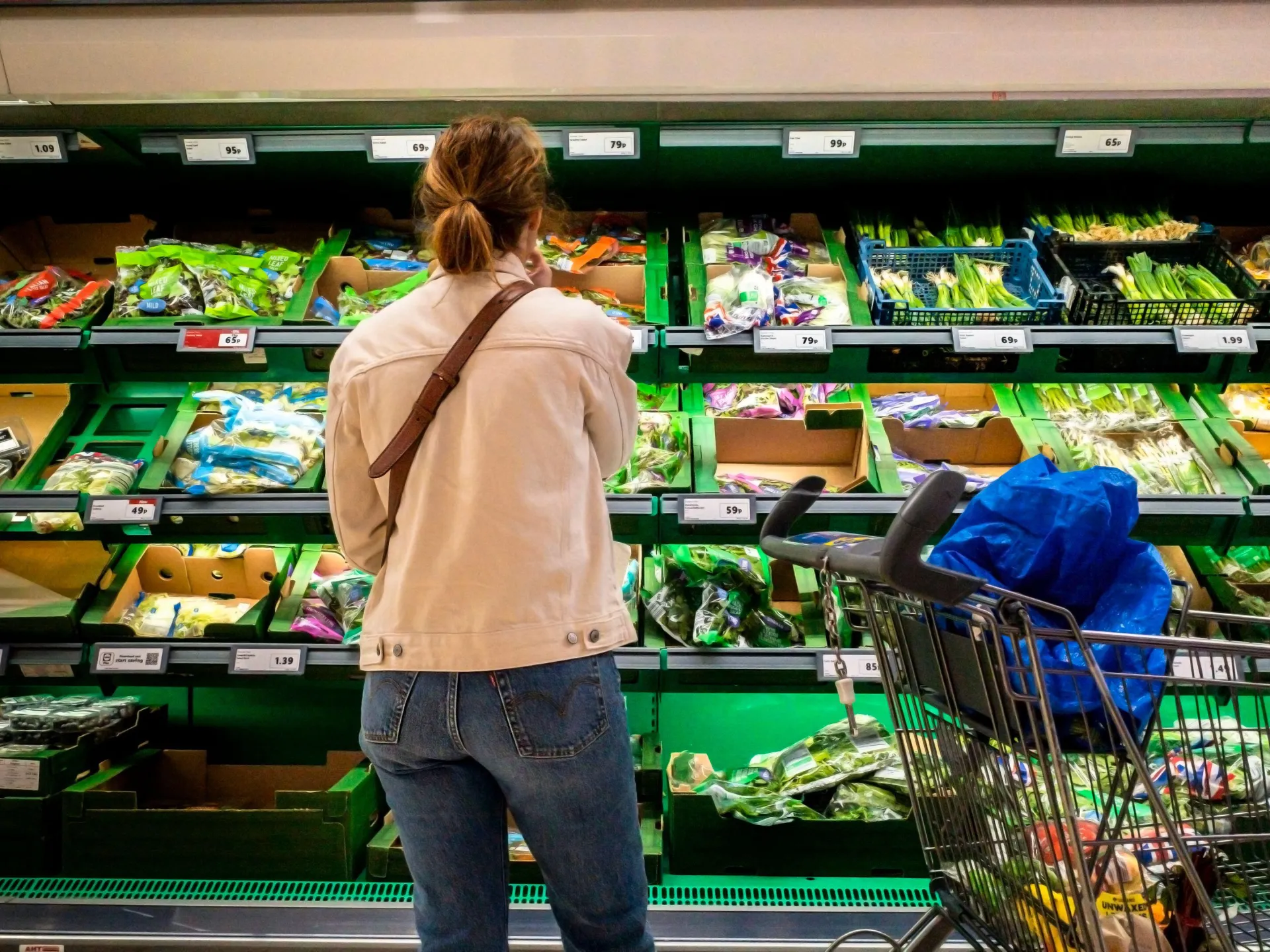
Global food inflation is expected to intensify towards the end of 2026 and into 2027 as extreme weather, disrupted grain shipments and higher energy costs threaten food supplies, placing renewed pressure on household budgets and complicating the outlook for interest rates.
The warning comes as consumers across Asia, Africa and the Middle East face increasingly expensive everyday essentials. Rice prices have reached record levels in Indonesia, bread costs have risen in Egypt and sugar prices have climbed in India, illustrating how supply problems are affecting different agricultural markets simultaneously.
The financial pressure is becoming measurable. World Bank figures show that food inflation exceeded overall inflation in 22% of 150 countries examined during the September quarter, compared with 14% in the preceding quarter. Meanwhile, the United Nations Food and Agriculture Organization's Food Price Index reached 136 points in September, its highest reading since November 2022.
The increase reflects several overlapping disruptions rather than a single shortage. Attacks on Black Sea grain infrastructure have affected wheat shipments, while insecurity in the Red Sea has forced some vessels onto longer routes. Conflict involving Iran has also increased fuel costs and disrupted fertiliser supplies, raising agricultural production expenses.
Weather conditions are adding pressure. El Niño-related drought threatens harvests across parts of Asia, while uncertainty over future production is encouraging concerns about the availability of essential crops. Wheat prices have risen more than 30% during 2026, and rice prices in several major Asian exporting countries have increased despite substantial inventories.
These developments matter because food prices absorb a disproportionate share of income in lower-income households. When the cost of rice, bread or cooking oil rises, families have less money available for transport, education, healthcare and other necessities. Reduced purchasing power can also weaken consumer spending across the wider economy.
Food manufacturers face a separate financial challenge. Many purchase agricultural commodities through contracts covering several months, meaning increases in wholesale prices can take time to reach supermarket shelves. As existing agreements expire, producers may face higher replacement costs alongside more expensive transportation and packaging.
Currency weakness can magnify those pressures. Importers purchasing grain or fertiliser in dollars must spend more in local currency when exchange rates deteriorate, potentially forcing businesses to increase prices or accept lower profit margins. This is particularly difficult in economies heavily dependent on imported food.
The consequences extend to retailers and consumer-facing companies. As household budgets tighten, shoppers may switch to cheaper products, reduce discretionary purchases or cut spending on restaurants and leisure. Businesses must then balance the need to recover higher costs against the risk of losing customers.
Central banks also face a more difficult inflation outlook. Although interest rates cannot directly improve harvests or reopen disrupted shipping routes, persistent food-price increases can influence inflation expectations and wage demands. Policymakers may consequently become more cautious about reducing borrowing costs while price pressures remain elevated.
Governments could face additional demands for food subsidies and household assistance, creating further pressure on public finances. Export restrictions introduced to protect domestic supplies may offer short-term relief in individual countries but could worsen shortages and prices elsewhere.
There are potential sources of relief. Favourable harvests in Australia and Argentina could improve wheat availability, while lower energy prices and restored shipping routes would reduce production and distribution costs. However, agricultural inventories that previously helped absorb supply disruptions are coming under increasing pressure.
The immediate risk is that higher commodity costs continue feeding through to consumers over the coming months. For households, that means more expensive essentials; for businesses and policymakers, it raises the possibility that food inflation will remain an obstacle to stronger consumer demand and lower interest rates throughout 2027.