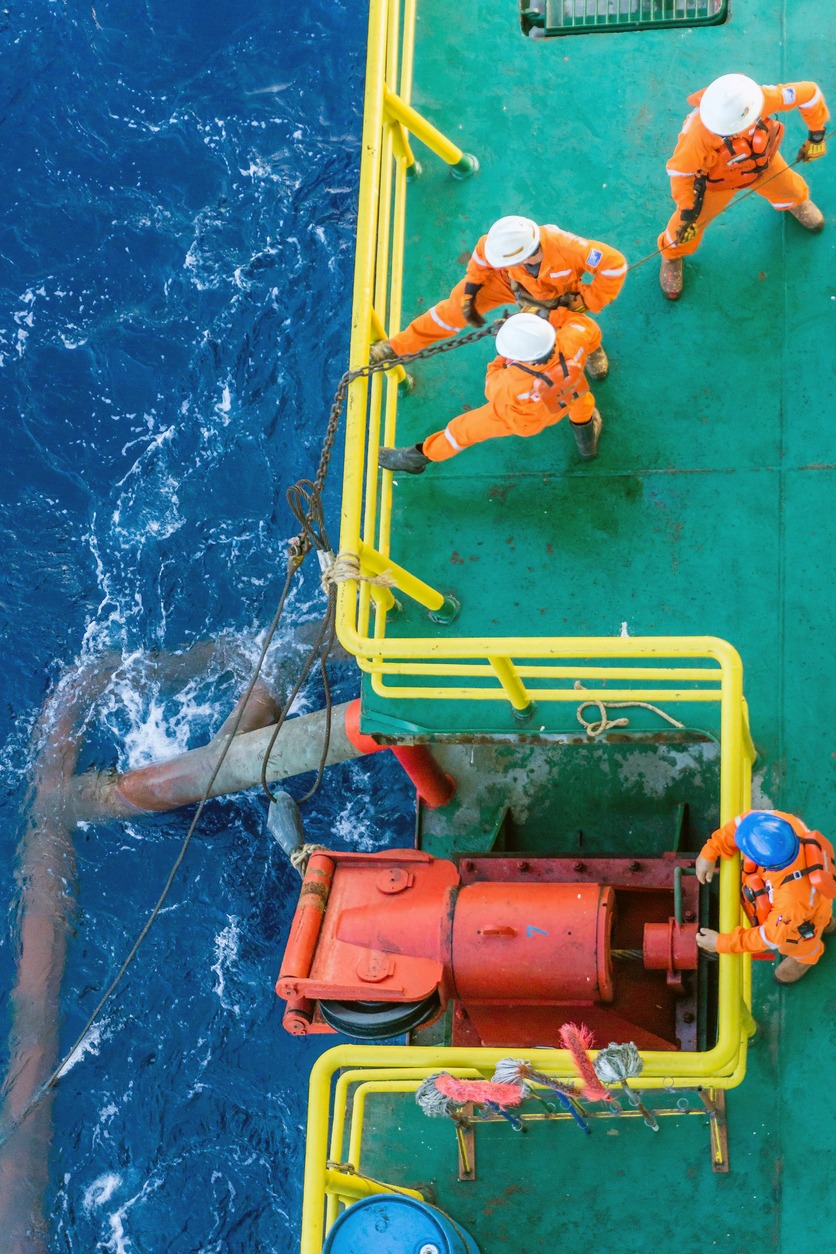
Safety training costs money, but not having it costs much more. This article breaks down the six critical ways that investing in maritime safety training is one of the soundest decisions you can make.
1) OSHA fines are expensive
OSHA can fine you $16,550 for each serious safety violation in 2025. If they believe you broke the rules on purpose, the fine increases to $165,514 per violation. Most companies receive multiple violations at the same time, so these fines add up quickly.
2) People get hurt without training
In 2023, over 5,000 workers died on the job across all industries. That's about 3.5 deaths for every 100,000 workers. Maritime work has unique risks like confined spaces, heavy machinery, and falls, making training even more essential.
3) When accidents happen, work stops
If someone gets hurt, you must pay medical bills and workers compensation. OSHA will come in to investigate, and work stops until they finish. This leads to lost money every day work is halted. Projects can fall behind schedule, which results in even more costs.
4) Good workers leave unsafe companies
Maritime workers need special skills that take time to learn. When your best workers leave because they don’t feel safe, you have to find and train new ones. This process takes months and costs thousands of dollars per worker.
5) Bad safety records hurt your business
OSHA collects injury data from over 375,000 companies and makes it public. Customers can check your safety record before hiring you. Many customers won't work with companies that have poor safety records or can't prove their workers are trained.
6) Equipment gets damaged
Maritime equipment like cranes and machinery costs hundreds of thousands of dollars. When accidents occur, this equipment often gets damaged or destroyed. You’ll have to pay to fix or replace it, plus you lose money while waiting for repairs.
Training Prevents Problems
OSHA offers two main maritime safety courses: 10-hour and 30-hour classes. These courses teach workers how to spot dangers and avoid them. All these courses focus specifically on maritime work like shipyards and docks.
OSHA requires instructors to take special courses and have maritime experience before teaching safety classes. This ensures you receive training from people who understand what happens in shipyards and on docks.
Trained workers know how to use equipment correctly, identify dangerous situations, and follow safety rules. They work faster because they know the right way to handle tasks. They also make fewer mistakes that could lead to accidents.
The choice is clear, the training is a straightforward cost but accidents can cause ongoing issues that can damage your business for years. You pay once for training, but by skipping it, you take a risk that could cost you forever.
To make that investment, you need specialized training that addresses your industry's risks. This is the smart way to reduce accidents and protect your finances. Companies provide essential courses, like OSHA Maritime training, to equip your teams with the preparation they need to stay safe, compliant, and productive.