On December 8, 2025, Paramount Global announced a $108.4 billion all-cash tender offer to acquire Warner Bros. Discovery, targeting shareholders directly at $30 per share. This development follows Netflix's recent $82.7 billion proposal to acquire select Warner assets, including its studios and HBO Max streaming service, and it has already lifted Warner Bros. Discovery shares by 15% in early trading. For viewers who rely on these platforms for daily entertainment, the potential changes carry real implications, from expanded content libraries to shifts in subscription models that affect household budgets.
The offer reflects ongoing consolidation trends in the media sector, where companies seek scale to compete in a crowded streaming landscape. Paramount's backing from Skydance Media and the Ellison family adds strategic depth, drawing on tech expertise to enhance operations. While the financial details dominate headlines, the broader impact on content creators and audiences adds a layer of quiet significance to the negotiations.
The Netflix “N,” the Paramount mountain, and the iconic Warner Bros. shield appear together in a single frame — a quiet reminder of how Paramount’s $108B power move has reshuffled the streaming hierarchy and intensified Hollywood’s race for dominance.
Details of Paramount's Full Warner Bros. Discovery Acquisition Proposal
Paramount's bid encompasses Warner Bros. Discovery's complete operations, spanning film and TV studios, the Max streaming platform, and traditional cable networks such as TNT and CNN. Priced at a 25% premium to recent share values, the all-cash structure provides shareholders with prompt liquidity and reduces reliance on volatile stock exchanges. Skydance's involvement, highlighted by its success with projects like Top Gun: Maverick, could integrate advanced production techniques to bolster Warner's existing franchises.
This approach builds on earlier discussions between Paramount and Skydance that concluded without a deal in late 2024, redirecting efforts toward a more comprehensive target. The Ellison family's resources, led by David Ellison at Skydance, introduce efficiencies from the tech world that might optimize content distribution without disrupting core creative processes. Viewers could see benefits in a merged catalog that combines Paramount's action series with Warner's dramatic offerings, fostering more varied viewing options over time.
Netflix Proposal Encounters Resistance Following Trump's Antitrust Remarks
Netflix's $82.7 billion interest focused on Warner Bros. Discovery's key assets, namely the Warner Bros. Pictures studio and Max, which serves over 100 million subscribers, while excluding linear TV elements. This selective strategy aimed to strengthen Netflix's position in original programming and advertising revenue streams. Paramount's broader offer, however, emphasizes easier regulatory passage and higher immediate payouts, potentially complicating Netflix's path forward.
President Donald Trump's recent Truth Social comment highlighted potential antitrust issues with a Netflix-Warner combination, citing concerns over concentrated market power in streaming. The remark, issued this morning, contributed to a 2% dip in Netflix shares and aligns with ongoing Federal Trade Commission reviews of industry mergers. Such scrutiny could prolong evaluations, favoring deals like Paramount's that maintain a mix of broadcast and digital services, and it reflects wider debates on preserving consumer choice in entertainment spending.
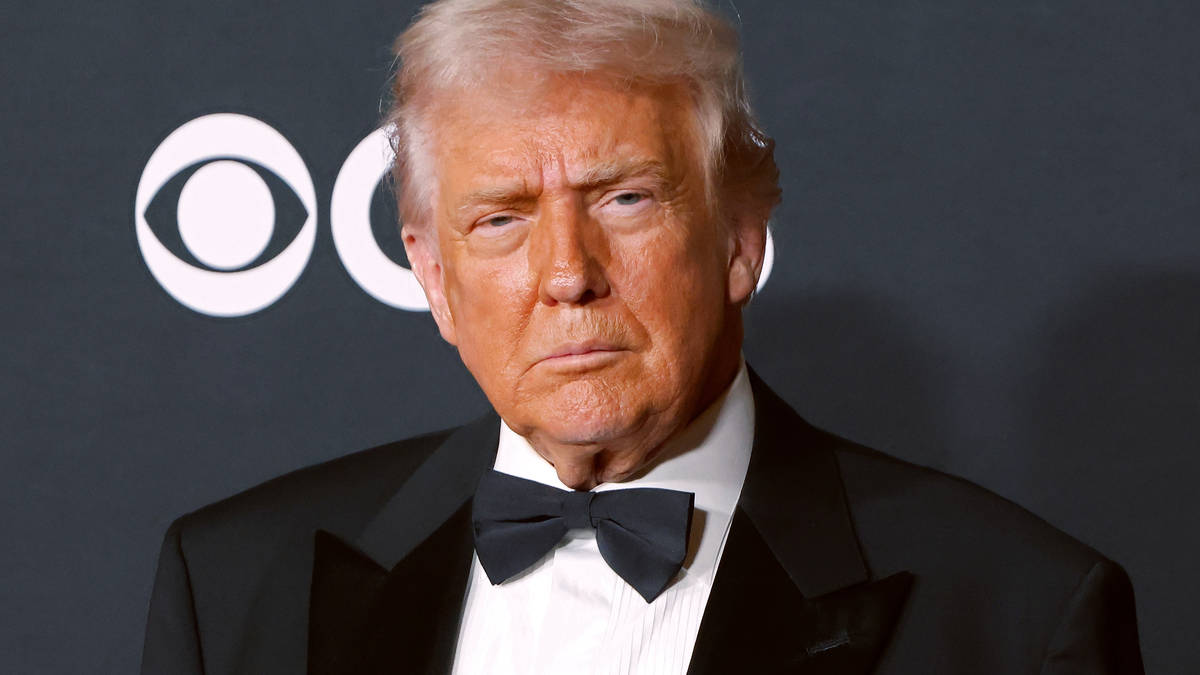
US President Donald Trump raises concerns over Netflix’s $72 billion acquisition of Warner Bros at a recent black-tie event in Washington DC.
Potential Outcomes for Consumers in the Warner Bros. Discovery Deal Landscape
The competing bids raise questions about job stability across Warner Bros. Discovery's workforce, particularly after 2023's post-merger adjustments that affected several hundred positions. A Paramount integration might yield cost savings through shared resources, allowing reinvestment in new series that blend HBO's character-driven stories with Paramount's procedural formats. For subscribers, the result could include integrated platforms offering better value, such as discounted bundles that ease the burden of multiple services.
These developments also highlight the sector's challenges, including rising production costs and audience fragmentation that strain smaller creators. A completed Paramount-Warner Bros. Discovery merger would likely prioritize sustainable growth, supporting a diverse slate of content that keeps pace with viewer preferences. In the end, the focus remains on delivering reliable entertainment that connects with everyday experiences.
Expert Analysis on the Paramount Warner Bros. Discovery Bid Dynamics
Benchmark analyst Daniel Kurnos raised his price target for Warner Bros. Discovery to $30 per share today, matching Paramount's offer and underscoring its appeal in the current environment. "This provides a strong exit option for investors amid consolidation pressures, although regulatory approvals will test the timeline," Kurnos stated in his latest note, balancing potential upsides with practical hurdles. His perspective, informed by past analyses like the AT&T-Time Warner merger, offers a steady gauge for the deal's viability.
Kurnos's insights suggest that while short-term gains look solid, long-term success depends on effective integration that enhances content quality. As discussions progress, his observations help frame the opportunities for a more competitive media landscape.
Paramount hope to have beaten off competitors like Comcast, and Netflix for control of the iconic studio and streaming assets.
Key Questions on the Warner Bros. Discovery Acquisition Talks
What Are the Core Components of Paramount's $108.4 Billion Warner Bros. Discovery Offer?
Paramount's tender, launched today at $30 per share, seeks to purchase all outstanding Warner Bros. Discovery shares in an all-cash transaction valued at $108.4 billion. It includes the full range of assets, from Warner Bros. studios producing major films and series to Max's streaming library and networks like TBS. This comprehensive structure offers shareholders quick returns at a 25% premium, while Skydance's expertise could drive efficiencies in global content delivery and marketing, ultimately aiming to create a more resilient entity against streaming rivals.
In What Ways Has Trump's Statement Altered Netflix's Warner Bros. Discovery Pursuit?
Trump's morning Truth Social alert on antitrust risks for a Netflix-Warner deal has introduced uncertainty, prompting a modest share decline for Netflix and heightened focus on regulatory barriers. By stressing the dangers of merging dominant streaming services, it bolsters cases for alternatives like Paramount's inclusive bid, which mixes traditional TV to dilute concentration concerns. This political input may extend review periods under agencies like the FTC, giving time for stakeholders to assess impacts on pricing and content diversity for general audiences.
How Might a Paramount-Warner Bros. Discovery Merger Affect Everyday Viewers?
A successful merger could unify Paramount+ and Max into a single service with expanded libraries, potentially lowering costs through bundled pricing and introducing hybrid shows that draw from both brands' strengths. While initial adjustments might involve content prioritization, the scale would support more investment in originals, benefiting subscribers with fresher options and fewer service switches. Overall, it promises a stabilized platform that adapts to evolving habits, ensuring accessible entertainment amid industry shifts.