In a bold move that's rippling through travel plans worldwide, the Trump administration just dropped a bombshell proposal in the Federal Register requiring foreign tourists to surrender five years of their social media history for U.S. entry. This sweeping policy hits visitors from close allies like the UK, France, Germany, Australia, and Japan, demanding usernames, emails, phone numbers, and even family details to flag potential security risks. As millions gear up for holidays, business deals, or the buzz of the 2026 World Cup and 2028 Olympics, this feels like a gut punch to the open-door spirit of American travel, turning casual trips into high-stakes digital interrogations.
The announcement, fresh off the presses today, has sparked immediate outrage and confusion among travelers who thought their online banter stayed private. Critics slam it as a gateway to biased profiling, where a misplaced joke or heated political post could slam the border shut. Supporters, though, cheer it as a wake-up call against threats lurking in the shadows of global extremism. Either way, it's reshaping how the world sees the U.S. as a destination, with real heartache for families divided by screens and suspicion.
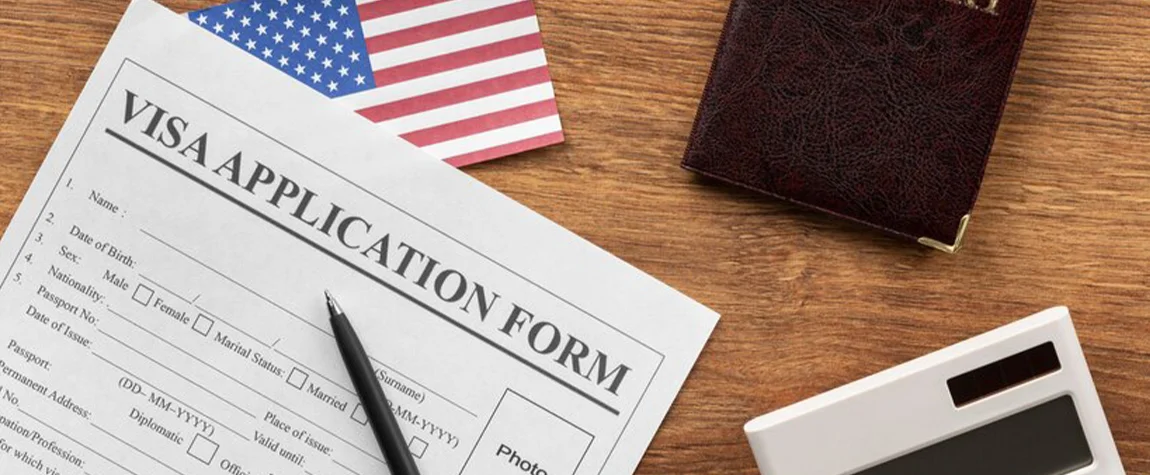
A U.S. visa form laid out and ready to complete—mirroring the paperwork and approval steps he once had to navigate before taking his music beyond American borders.
The Vetting Overhaul That's Already Stirring Global Backlash
Homeland Security leaders insist this digital deep dive is long overdue, pointing to recent flare-ups like the D.C. attack linked to an Afghan national as proof the U.S. can't afford blind trust anymore. By scanning posts for hints of radical views or anti-American sentiment, officials hope to paint a fuller picture of who's crossing the threshold. Yet the human cost hits hard, forcing everyday folks to relive and justify years of unfiltered life online, from vacation snaps to family feuds.
Immigration lawyers report clients in a tailspin, hearts heavy with dread over what old tweets might unearth. One traveler from London shared how the news crushed her dreams of a Stateside reunion, whispering that it feels like betraying her own voice just to hug her grandkids. This isn't abstract policy, it's personal upheaval, laced with the quiet fear that one ill-phrased rant could erase a lifetime of loyalty to the American dream.
How This Fits Into Trump's Wider Immigration Squeeze
This social media mandate isn't flying solo, it's the sharp edge of a broader clampdown that's left advocates reeling and foreign diplomats fuming. In recent weeks, the administration halted immigration apps from 19 nations, hinted at ballooning the travel ban to over 30 countries, scrapped citizenship oaths nationwide, and kicked off second looks at greenlit cases. New red flags now spotlight "anti-American" or antisemitic leanings, with Trump himself tweeting that only those who truly cherish the Stars and Stripes deserve a shot at the good life.
USCIS's Matthew Tragesser drove the point home bluntly, stating that if America grates on you, better look elsewhere for your future. But experts highlight the slippery slope, where officers wield unchecked power to twist a meme into malice or a prayer into peril. Dr. Jane Lilly Lopez, a sharp-eyed sociologist at Brigham Young University, captures the chill in her words, noting how this invites stereotypes to steer the ship, turning borders into battlegrounds for bias in one of the boldest immigration pivots we've seen.
Everyday Travelers Caught in the Crossfire, From Visa-Waivers to VIPs
What stings most is the blanket reach, snaring not just visa hunters but visa-waiver regulars too, from British holidaymakers eyeing Yellowstone to German execs sealing Silicon Valley handshakes. Canadians popping over for a quick escape, EU pros on expense-account jaunts, even cruise crowds docking in sunny Miami, all face the same scrutiny. No carve-outs for envoys, rock stars headlining Coachella, or soccer fans bound for the World Cup roar.
Adam Sacks, president of Tourism Economics, lays bare the economic bruise in stark terms, warning that these hurdles could slash billions from the U.S. travel pot, echoing the $10 billion hit already felt this year from earlier restrictions. His voice carries the weight of hard numbers and heavier worries, as hotels empty and Main Streets hush, all because a decade-old Facebook like sparked suspicion. It's a reminder that behind the stats lie livelihoods teetering on the edge of arbitrary judgment.
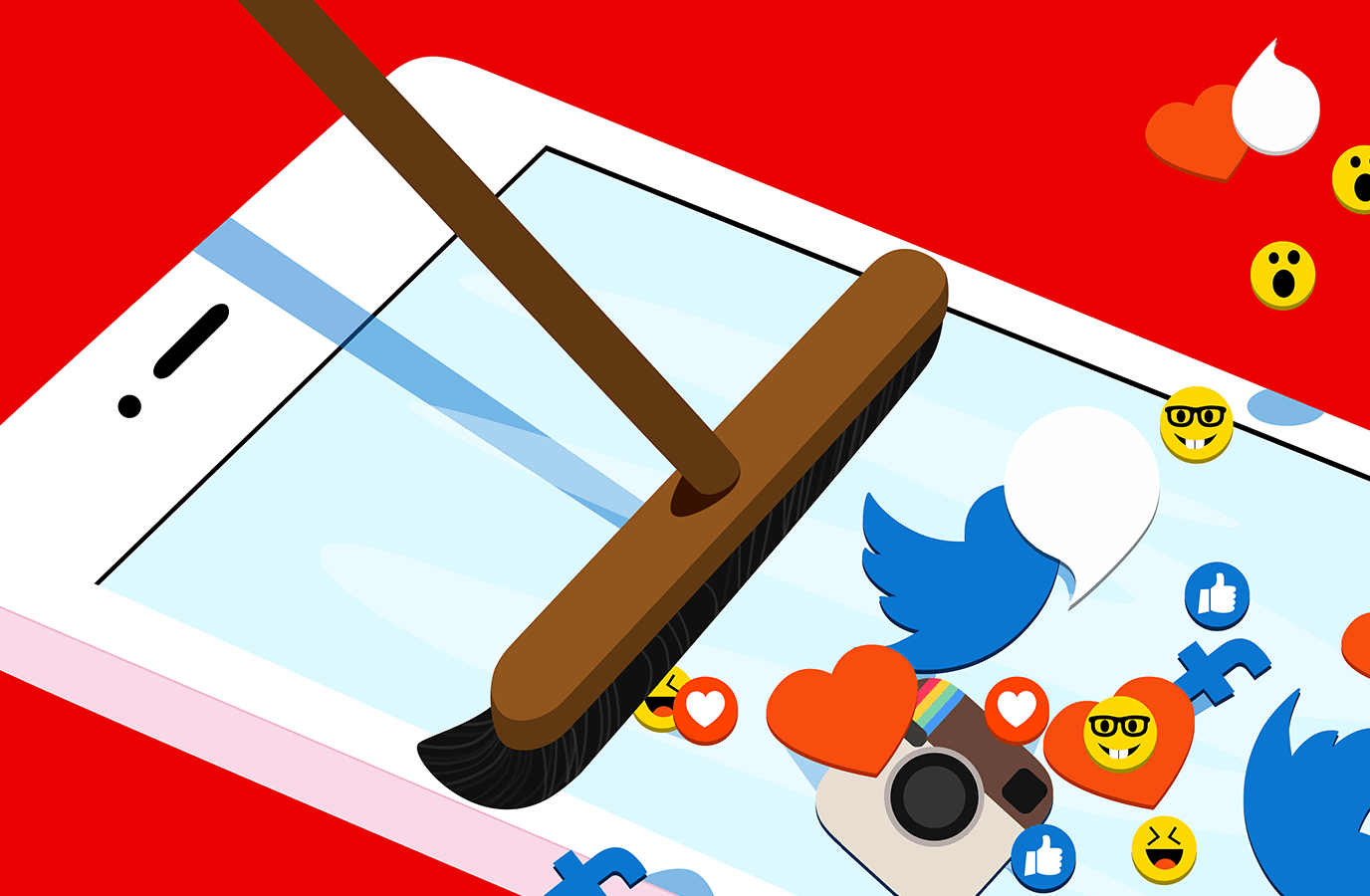
A symbolic image of a brush wiping a mobile phone screen, representing social media scrubbing.
The Hidden Dangers That Could Make This Policy Implode
Skeptics see tripwires everywhere in this overreach, starting with the fog around "anti-Americanism," leaving room for grudges to masquerade as guardianship. Marginalized voices, from linguistically diverse networks to fervent activists, risk amplified grilling, while privacy hawks decry the eternal archiving of souls' scrolls in federal vaults. Overseas leaders are gearing up protests, fretting over soured ties and evaporating euros from eager explorers.
Worse, the self-silencing could spread like wildfire, with users worldwide pruning profiles preemptively, muting the messy magic that makes social media hum. As one Paris-based blogger put it, it's like trading your unvarnished self for a sterile stamp in the passport, a quiet surrender that dims the world's colorful chorus. If this sticks, it might not just guard the gates, it could hollow out the welcome that once defined America.
What Travelers Are Really Wondering Right Now
Will This Social Media Check Ruin My Family Vacation Plans?
Absolutely, it could throw a wrench into those long-awaited U.S. get-togethers, especially if you're from a visa-waiver spot like the UK or Australia. The rule demands a full five-year scroll-through of your posts, emails, and contacts, which means sifting through baby photos, work gripes, and holiday cheers for any whiff of trouble. Families have already started second-guessing trips, with some opting for Canada instead to dodge the drama. Experts urge starting early, auditing your own history, and consulting pros to avoid last-minute heartaches, but the emotional toll of prepping your digital diary for strangers lingers long after the packing lists fade.
How Does Trump's Latest Immigration Move Hit the Wallet for Businesses?
Business travelers, brace for turbulence, as this vetting expansion could snarl deals and delay hires across borders. With EU execs and Asian partners now facing invasive online probes, conferences might thin out and partnerships cool off, echoing the $10 billion tourism dip experts like Adam Sacks have flagged this year alone. Companies are buzzing about contingency plans, from virtual meets to rerouting to friendlier hubs, all while the U.S. risks slipping as the go-to innovation playground. It's not just red tape, it's a ripple that could crimp growth and leave boardrooms echoing with what-ifs.
Can I Dodge This New U.S. Entry Rule Altogether?
Short answer, probably not if you're heading stateside anytime soon, since exemptions are razor-thin, sparing only a handful like top diplomats on official bids. Even casual cruisers or event-hoppers get looped in, prompting a surge in privacy tweaks and post purges worldwide. Immigration watchers advise transparency over tricks, as fudging details invites bans that bite harder than honesty. In this hyper-connected age, the real workaround might be rethinking routes altogether, a poignant pivot that underscores how one policy tweak can rewrite wanderlust into wary hesitation for globe-trotters everywhere.