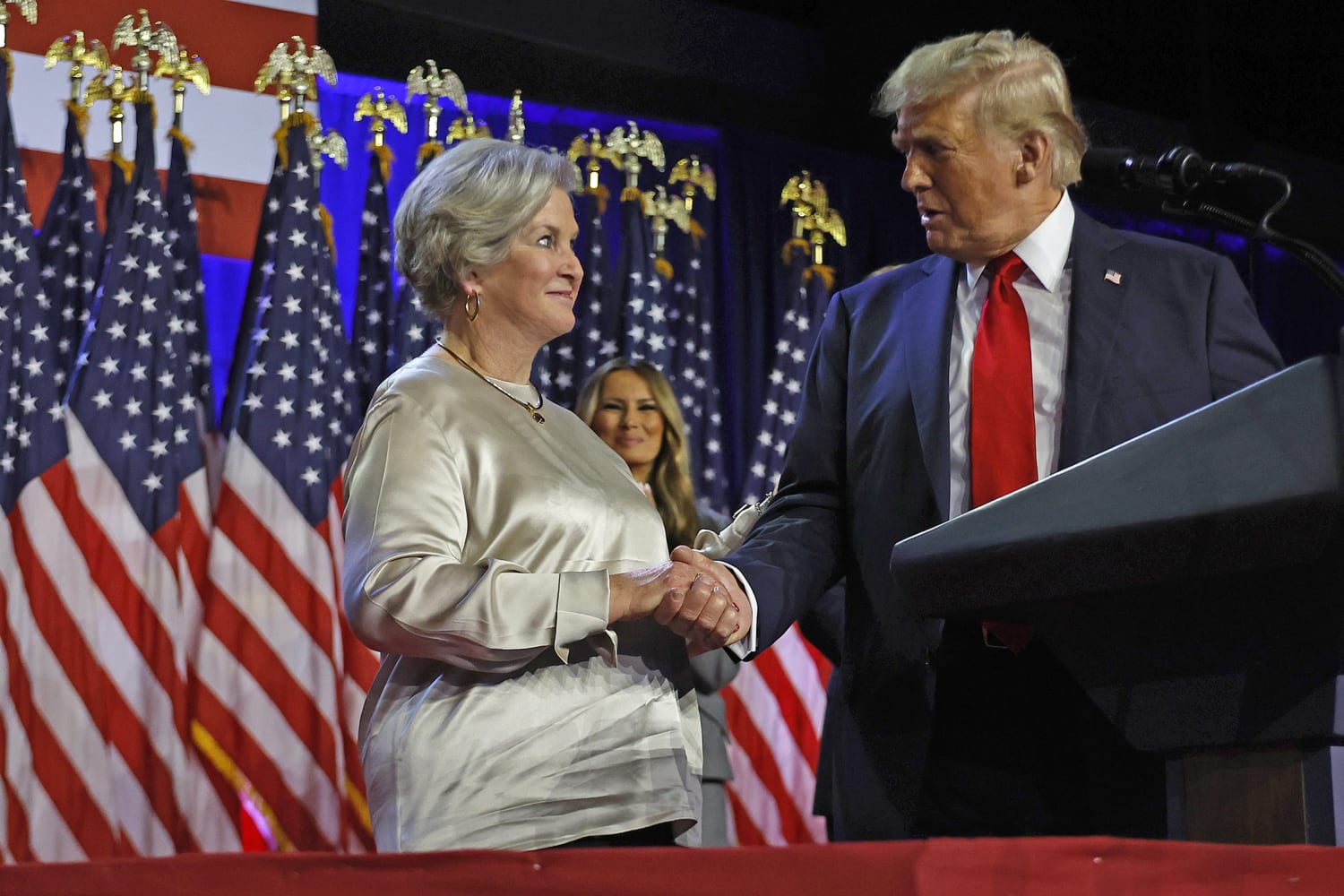
In the latest twist from the Trump White House, President Donald Trump has openly agreed with his Chief of Staff Susie Wiles' striking description of him having an alcoholic's personality, a revelation that has ignited fresh conversations across Washington and beyond. This comes directly from Trump's recent interview with The New York Post, where he defended Wiles amid backlash from her candid Vanity Fair comments published just yesterday. With the administration navigating its second term, this moment highlights the intense loyalty and unfiltered dynamics at play, drawing attention to Trump's personal reflections and his unyielding support for key advisors.
Trump's Personal Reflection and Unwavering Support for Wiles
Trump, who has long maintained a sober lifestyle, shared in the interview that he believes he would likely become an alcoholic if he ever drank, a self-assessment he has voiced on multiple occasions over the years. He described his traits as possessive and addictive, qualities that drive his ambitious approach to leadership and decision-making in the Oval Office. When directly asked about his trust in Wiles, Trump responded with enthusiasm, calling her fantastic and emphasizing her value to his team, which underscores the deep bond they share amid the pressures of governance.
The controversy stems from Wiles' interviews with Vanity Fair reporter Chris Whipple, where she portrayed Trump's mindset as one convinced that nothing is beyond his reach, likening it to an alcoholic's personality. Trump dismissed the article's framing, suggesting the interviewer misled Wiles and got facts wrong on purpose, a claim that adds layers to the ongoing media scrutiny surrounding his administration. White House Press Secretary Karoline Leavitt echoed this sentiment in her statement, affirming that no one advises Trump with more loyalty than Wiles, a defense that resonates in a political landscape often marked by shifting alliances.
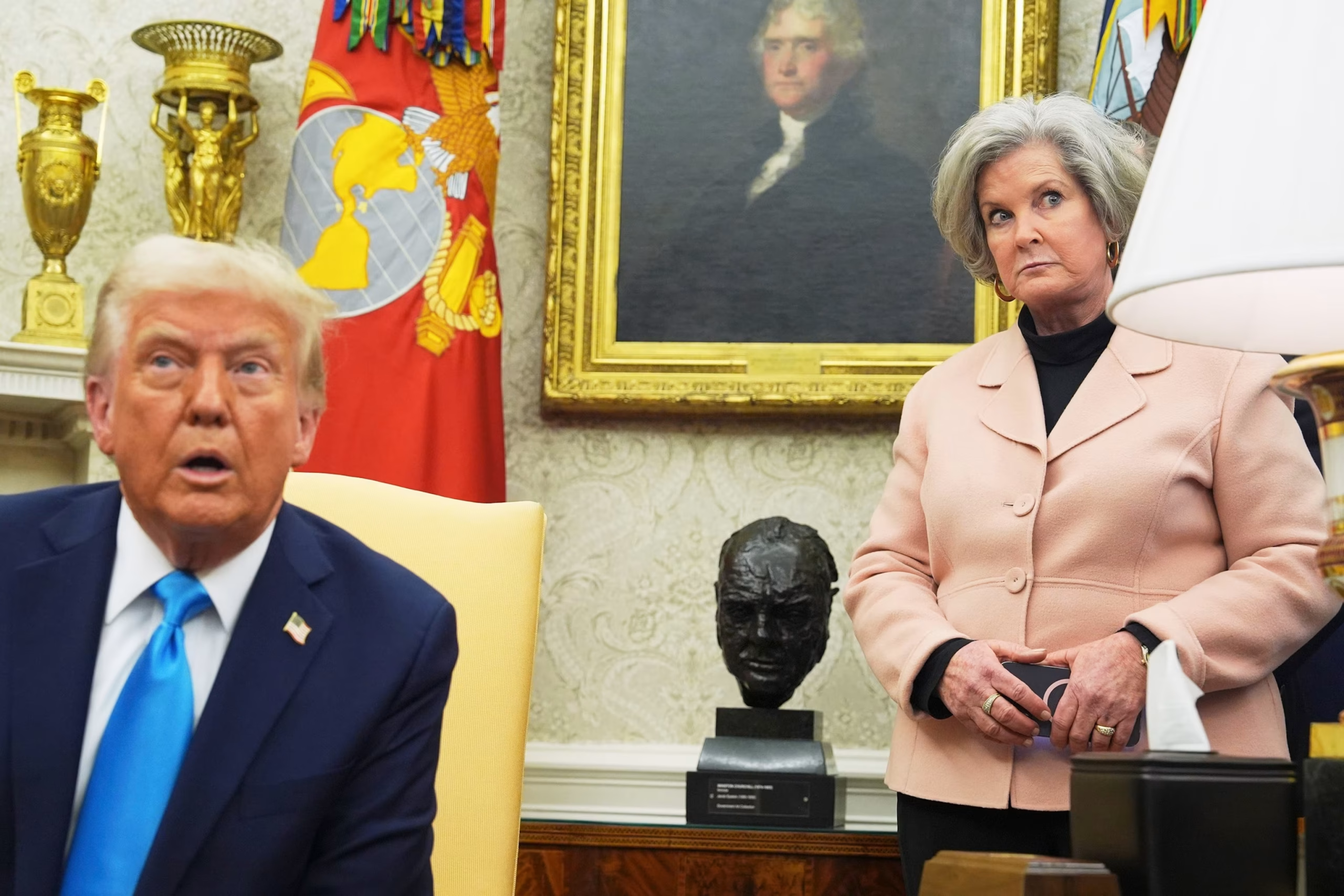
Trump addresses the media with loyal Chief of Staff Susie Wiles right behind him – a powerful image of the unbreakable trust and teamwork he praised as "fantastic" in his response to the recent Vanity Fair controversy.
Key Revelations from Wiles' Vanity Fair Interviews
Over the course of 11 interviews conducted in the first year of Trump's second term, Wiles offered blunt insights into White House operations, touching on some of the most debated issues facing the administration today. She corrected misconceptions about the Epstein files, noting that former President Bill Clinton appeared numerous times in the flight logs but asserting Trump was wrong in his initial take, while clarifying Trump's own mentions in the documents involved nothing improper. This detail has reignited public interest in the Epstein case, especially as new documents continue to surface in ongoing investigations.
Wiles also addressed Elon Musk's influence, expressing reservations about his move to close the U.S. Agency for International Development and commenting on his self-admitted ketamine use, describing him as an unusual figure in the political arena. These remarks provide a rare insider perspective on the intersections of tech, policy, and personal habits, elements that have become central to Trump's broader agenda in his current term. Such openness from a high-ranking official like Wiles fuels discussions about transparency in government, particularly as the administration pushes forward with ambitious reforms.
Defenses Roll In from Vance, Bondi, and Beyond
The Vanity Fair piece drew responses from other prominent figures mentioned in Wiles' comments, showcasing the resilience of Trump's inner circle in the face of criticism. Vice President JD Vance, whom Wiles referred to as a conspiracy theorist, took the label in stride during a Pennsylvania event, joking that he only subscribes to the theories that hold truth, a lighthearted rebuttal that humanizes the often intense world of politics. Attorney General Pam Bondi, criticized by Wiles for mishandling aspects of the Epstein files, responded warmly on X, praising Wiles as a dear friend who has advanced Trump's goals with exceptional grace and effectiveness.
These endorsements not only bolster Wiles' position but also reflect the administration's united front, especially as recent news cycles have spotlighted similar internal dynamics in other high-profile stories, like ongoing debates over border security and economic policies. By tying into these broader themes, the episode illustrates how personal narratives can influence public perception of leadership, keeping readers engaged with the evolving story of Trump's White House.
The Bigger Picture in Trump's Second Term
As this development unfolds, it connects to other fresh headlines, such as Trump's recent pushes on trade deals and judicial appointments, where Wiles' strategic input has been pivotal. Her role in navigating these challenges, from policy implementation to crisis management, positions her as a linchpin in the administration's success, and Trump's public backing amid the Vanity Fair fallout strengthens that narrative. This incident also echoes earlier moments in Trump's career, where he has candidly discussed family influences on his aversion to alcohol, adding a personal dimension that resonates with many Americans facing their own struggles.
With the political season heating up, stories like this one highlight the human elements behind the power plays, offering glimpses into the motivations and relationships that shape national decisions. As more details emerge, it remains a compelling chapter in the ongoing saga of Trump's leadership.
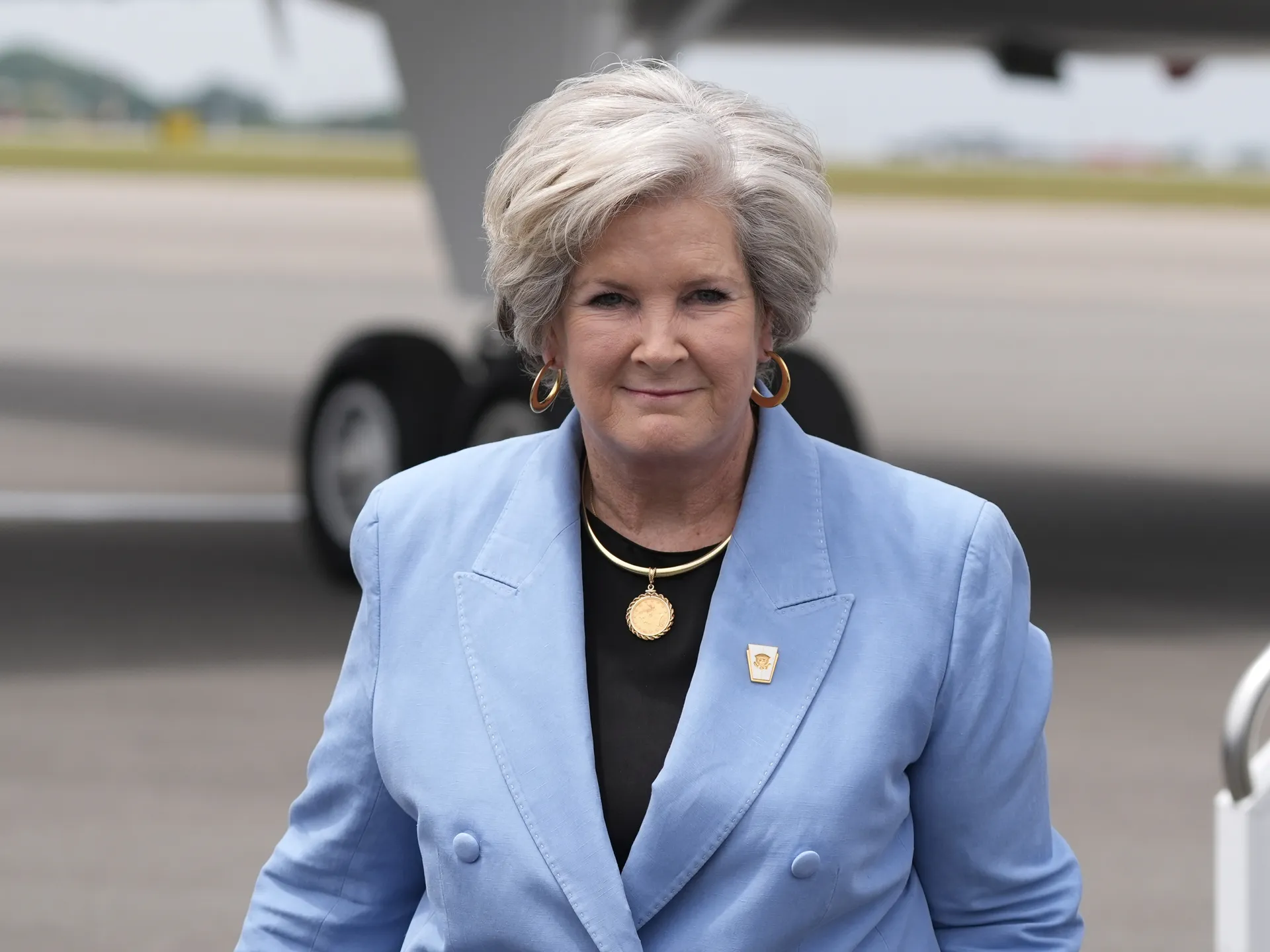
Political strategist Susie Wiles walks confidently toward Air Force One, reflecting her influential role behind the scenes in shaping major Republican campaigns.
Uncovering More: Your Top Questions Answered
What exactly is Susie Wiles' background and how did she rise to Chief of Staff?
Susie Wiles brings decades of political experience to her role as Trump's Chief of Staff, having started her career in Florida politics where she managed campaigns for figures like Ron DeSantis before aligning with Trump in 2016. Her expertise in strategy and coalition-building proved crucial during Trump's 2024 comeback, leading to her appointment in this high-stakes position. Beyond the Vanity Fair comments, Wiles has been instrumental in streamlining White House operations, focusing on efficiency amid complex global issues, and her Florida roots continue to influence policy on topics like environmental regulations and hurricane response efforts, making her a multifaceted leader in today's administration.
Has Trump ever discussed his family history with addiction in public before?
Trump has frequently referenced his late brother Fred's battle with alcoholism as a key reason for his own lifelong abstinence, sharing these stories in interviews and books to illustrate how personal loss shaped his discipline and work ethic. This background adds context to his recent admission, showing a consistent thread in his life narrative that emphasizes resilience and self-awareness. In broader discussions, Trump has used these experiences to advocate for substance abuse awareness, connecting with audiences on a relatable level and highlighting how such family challenges can forge stronger personal boundaries in high-pressure environments like the presidency.
What impact could Wiles' comments on Elon Musk have on U.S. policy moving forward?
Wiles' remarks on Elon Musk, including his ketamine use and decisions like dismantling the U.S. Agency for International Development, could subtly influence ongoing collaborations between the administration and tech innovators, potentially sparking reviews of how private sector involvement affects foreign aid and innovation policies. As Musk's companies like SpaceX and Tesla intersect with government contracts, these insights might prompt closer scrutiny from lawmakers, while also encouraging dialogues on mental health in leadership roles. Overall, this could lead to more transparent partnerships, ensuring that ambitious tech-driven initiatives align with national interests and ethical standards in the coming months.