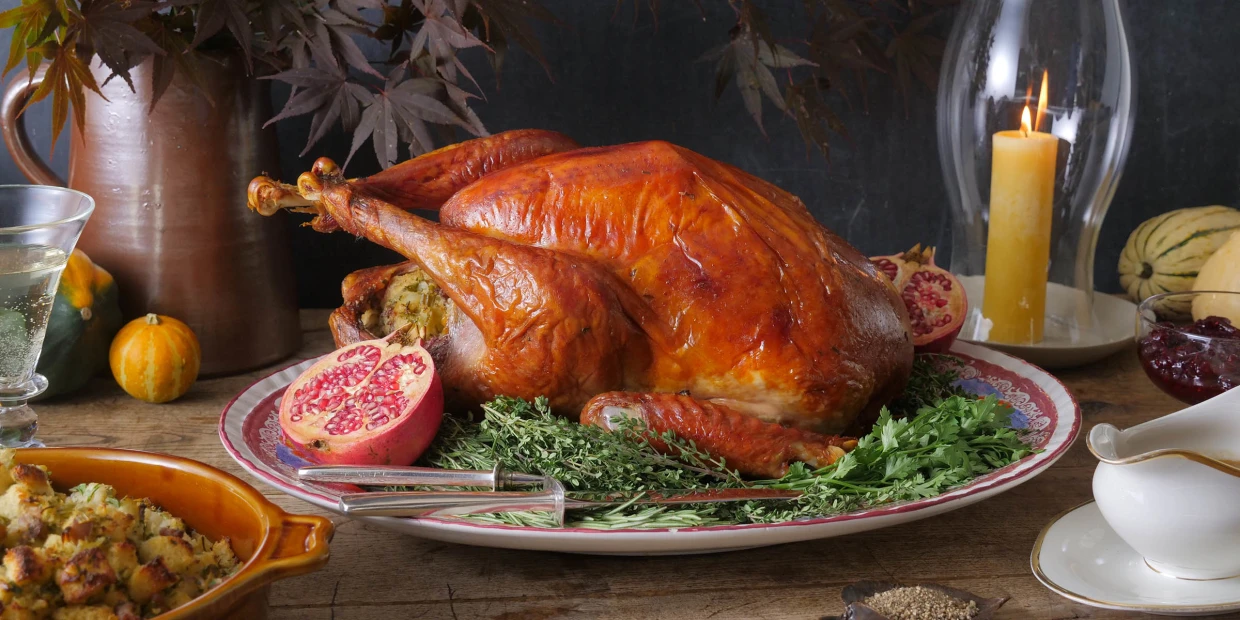
For many families across the UK, Christmas dinner represents more than just food on the table, it embodies cherished traditions filled with warmth, lively discussions over side dishes, and the simple joy of sharing a meal together. In 2025, however, this beloved feast carries a modestly higher price, reflecting ongoing pressures in the food supply chain that affect households already mindful of their spending.
Fresh data compiled specifically for the BBC reveals that a standard Christmas dinner, complete with all the traditional elements, now averages around £32.45, marking an increase of £1.24 or nearly 4% from last year. While this uptick may not seem overwhelming, it arrives during a period when every extra pound at the supermarket register prompts careful consideration among shoppers.
The Turkey Problem: Why the Centrepiece Costs More
The primary driver behind this year's elevated costs centers on the turkey, the undeniable star of most Christmas spreads, which has seen its price climb noticeably due to factors largely beyond farmers' control. A typical 10lb frozen turkey, weighing about 4.55kg, currently retails for approximately £20, representing a 7.37% rise from £18.62 in 2024.
Bird flu outbreaks earlier in the season resulted in significant culls, reducing available stock, while regulations required many free-range birds to remain indoors, escalating operational expenses for producers. Susan Gorst, a dedicated turkey farmer based near Milton Keynes, explains how these shifts directly impacted her work, noting that indoor confinement led to higher feed usage and soaring energy costs, ultimately necessitating price adjustments to sustain her business. She observes that consumers have grown accustomed to annual increases, adding that the actual rise could have proven far steeper without careful management.
Butchers across the country share similar experiences, with John Muff, co-owner of Muff’s Butchers in Wirral, reporting turkey prices up by £1 to £2 per kilo compared to last year. He attributes this to relentless upward trends in feed, energy, transport, and wages, which accumulate throughout the supply chain and inevitably reach the customer.
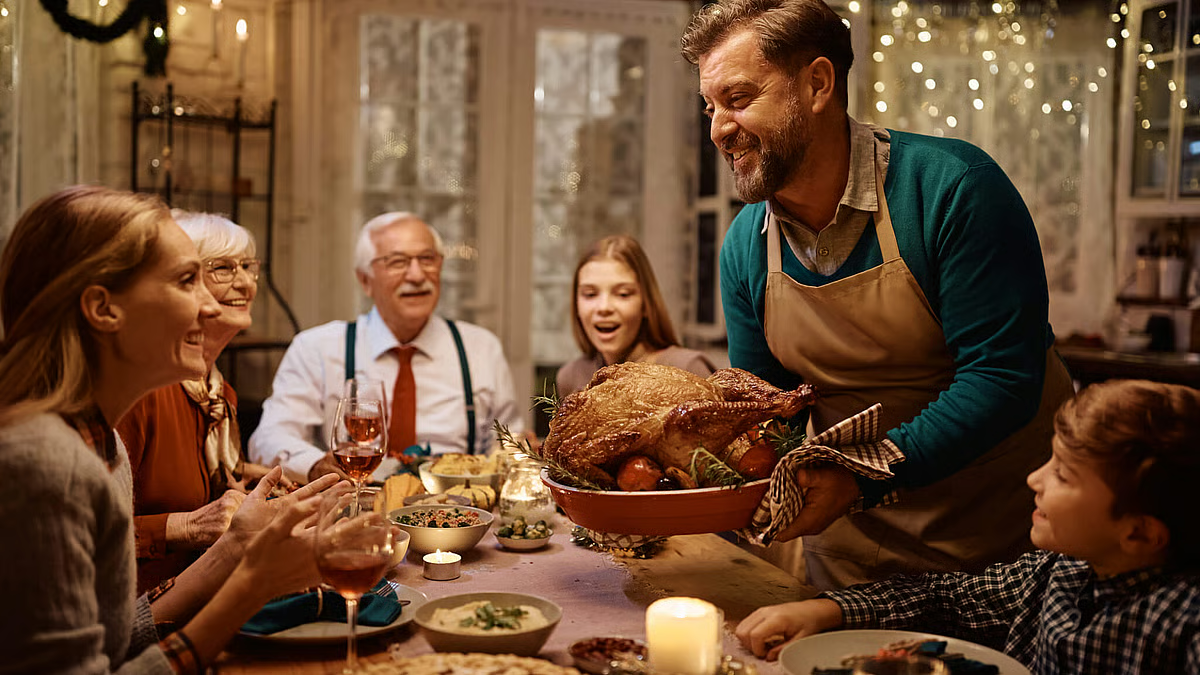
Brussels Sprouts Take a Hit Too
No Christmas plate feels complete without Brussels sprouts, those divisive little vegetables that spark debate at many tables, yet their cost has surged this season amid challenging growing conditions. A standard bag now averages 94p, reflecting a more than 9% increase from December 2024, as farmers grapple with unpredictable weather patterns that demand extra resources. Alan Steven, a sprout grower in Fife, describes how a dry spring followed by a scorching summer and mild winter compelled him to irrigate fields extensively for the first time in years, pushing up fuel and electricity bills while heightening disease risks for his crops.
Pork and Pigs in Blankets Aren’t Immune
Pigs in blankets, those irresistible sausage-wrapped bacon bites, have also felt the pinch, with a typical pack now priced at £2.59, up 5.3% from last year. This reflects broader supply chain pressures, including elevated animal feed and labor costs, which butchers say continue to build gradually. Some experts suggest that these supermarket hikes might encourage more shoppers to turn toward local butchers, where the emphasis on premium quality often justifies the slight premium, as Muff points out that when prices rise across the board, people seek out truly exceptional products for their holiday tables.
The Unexpected Good News: Potatoes, Parsnips and Carrots
Amid the rises, several staple vegetables offer a welcome reprieve, with potatoes and parsnips actually dropping by a penny each compared to 2024, while carrots hold steady at the same price. GB Potatoes reports that favorable planting and harvesting weather, despite a notably dry mid-season, supported solid yields overall, helping to maintain affordability for these essentials. Lucy Munns, a potato farmer in Cambridgeshire, highlights the market's volatility, explaining that while ideal prices hover around £200 per tonne, actual returns sometimes dip to £80, compounded by supermarkets rejecting irregularly shaped produce caused by heatwaves.
Dessert Lovers, Rejoice: Pudding and Mince Pies Are Cheaper
Sweet endings provide genuine savings this Christmas, as declining ingredient costs ease the burden on festive treats that round out the meal. A pack of six iced mince pies averages £1.77, down 2.75% from last year, while a 400g Christmas pudding comes in at £2.35, reflecting a 7.42% decrease. Stuffing mix has fallen by 1.32%, and gravy granules are cheaper by over 7%, thanks to lower global prices for flour and sugar amid a surplus that has tempered UK food inflation recently. These reductions stem from improved supply conditions worldwide, offering a bright spot for families planning their holiday desserts.
The figures draw from own-brand items at major supermarkets like Tesco, Sainsbury’s, Asda, Morrisons, Aldi, and Lidl, comparing prices on 6 December 2025 against the previous year. Supermarkets often intensify promotions closer to the holiday, sometimes dropping vegetable prices to as low as 8p per bag in competitive bids for customers.
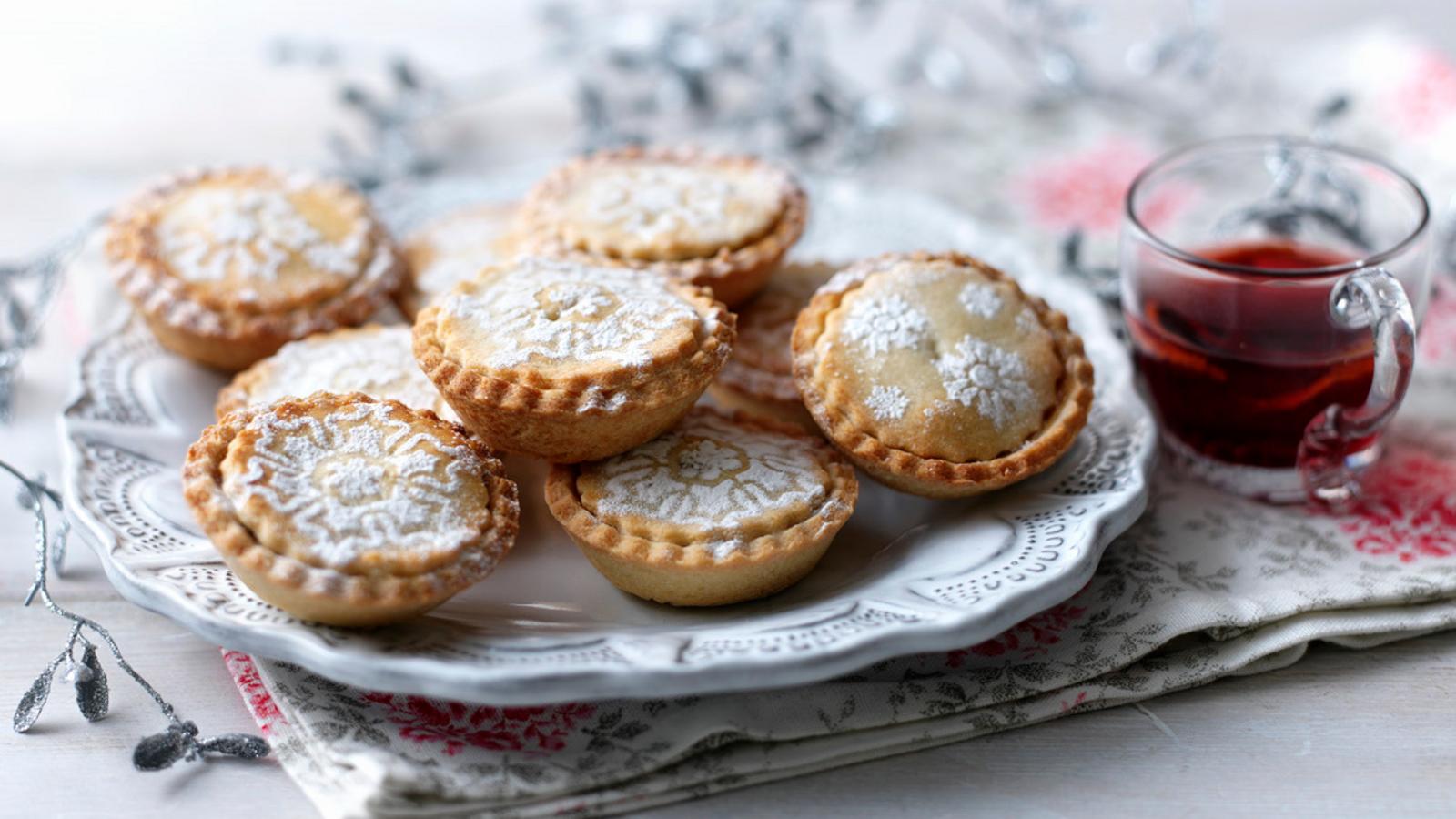
A plate of classic mince pies on the Christmas table — one of the few festive staples to fall in price this year, offering a small but welcome saving at the end of an increasingly costly Christmas dinner.
How to Keep Your Christmas Dinner Costs Down
Navigating these increases requires thoughtful strategies, but simple adjustments can help maintain the festive spirit without straining your wallet. Start by establishing a firm budget that accounts for overlooked items like foil, cooking oil, and beverages, then craft a practical shopping list that prioritizes must-haves over every traditional extra. Embrace leftovers by planning meals that extend into Boxing Day, scout for yellow-sticker discounts and digital coupons, and utilize your freezer for advance purchases of meat, butter, and durable cheeses. Sharing bulk items with neighbors or relatives can unlock better deals, turning cost-saving into a communal effort that enhances the season's sense of togetherness.
Recent reports from sources like Which? highlight additional pressures, such as certain Christmas chocolates surging by up to 70%, underscoring the value of selective shopping to avoid unnecessary splurges. Ultimately, while dinner expenses have ticked upward modestly compared to sharper spikes in prior years, the true essence of Christmas lies in connection and shared moments, far outweighing any receipt total.
Festive Food Cost Queries Unpacked
Why Have Some Christmas Treats Skyrocketed in Price This Year?
Beyond the core dinner components, items like premium chocolates and decorations have experienced dramatic hikes, with Which? research showing increases of up to 70% at stores such as Morrisons for products like Lindt Milk Chocolate Teddy Christmas Tree Decorations, jumping from £3.50 to £6. These surges stem from volatile cocoa prices influenced by global supply disruptions in key producing regions, combined with higher manufacturing and packaging costs amid lingering inflation effects. Shoppers can mitigate this by opting for own-brand alternatives or bulk buys from discount retailers, ensuring treats remain part of the celebration without derailing budgets, as experts advise comparing unit prices across multiple outlets for the best value.
Which Supermarkets Offer the Best Value for Christmas Groceries in 2025?
Comparisons from The Grocer indicate that budget Christmas baskets at Asda, Morrisons, Sainsbury's, Tesco, and Waitrose average £93.80, up just 0.4% overall, but Aldi and Lidl often undercut these with aggressive pricing on essentials like turkeys and vegetables. Data from impartial sources reveals Aldi as a frontrunner for affordability, with full dinners potentially costing under £50 for four people when leveraging promotions, while Tesco's Clubcard deals provide loyalty-based savings on premium items. To maximize value, consumers should monitor weekly flyers and apps for flash sales, focusing on stores with strong own-brand lines that deliver quality at lower costs, ultimately allowing for a fuller feast without excessive spending.
How Do UK Christmas Dinner Costs Compare to Neighboring Countries This Season?
While UK families face a £32.45 average for their spread, neighboring Ireland sees a similar meal for four at €32.28, up slightly from €31.22 last year according to Kantar, reflecting shared challenges like weather impacts and supply chain strains across Europe. In contrast, some continental markets benefit from larger agricultural subsidies, keeping vegetable prices more stable, but UK shoppers gain from intense supermarket competition that drives last-minute deals. This proximity in costs highlights broader EU trends in food inflation, yet British households can leverage local farm shops or online bulk orders to align closer with lower regional averages, fostering smarter purchasing habits that extend beyond the holidays.