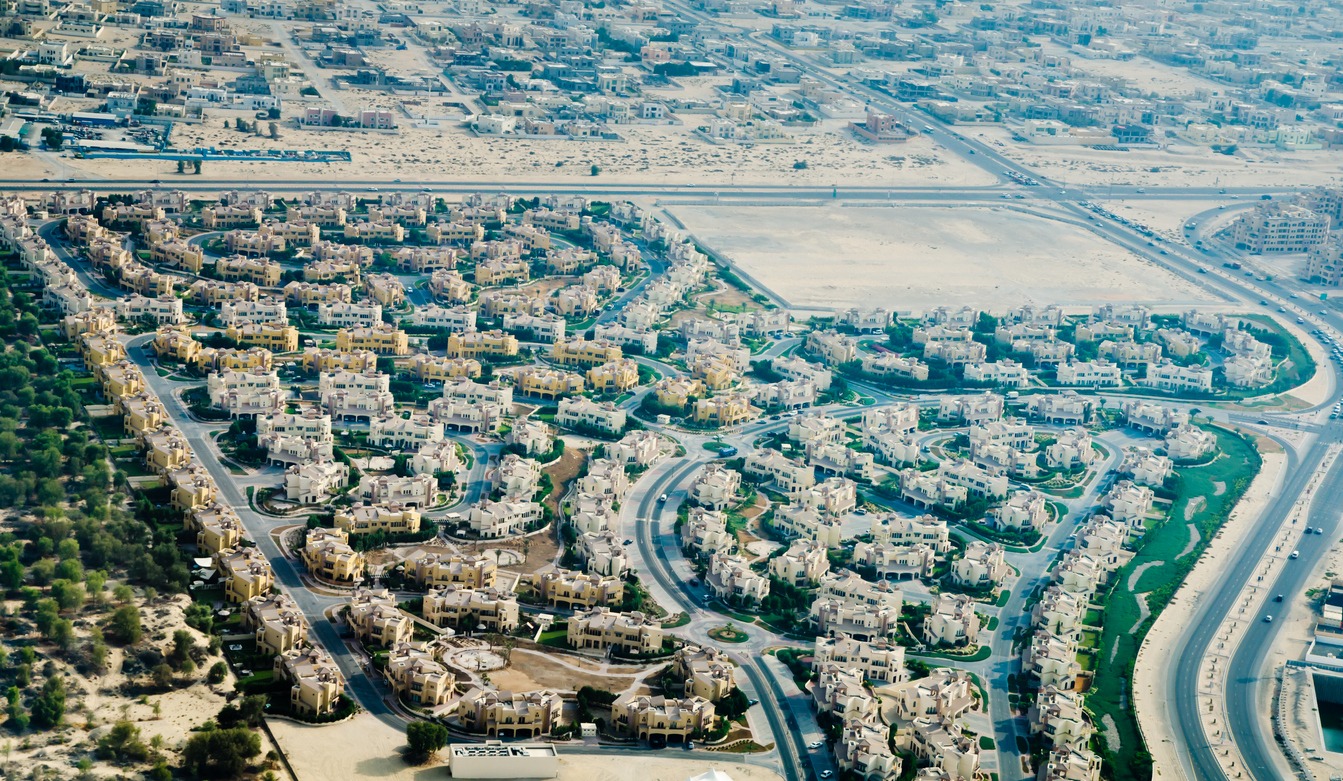
Luxury Is Being Redefined
Dubai is famous for bold buildings and high-end living. For years, luxury meant size, shine, and status. Bigger was better. Pricier was better. That idea is changing fast.
Today’s buyers want homes that feel smart, calm, and well built. They want quality without waste. They want comfort without excess. This shift is driving a new idea forward: accessible luxury.
Accessible luxury means homes that look refined, work well, and last long—without pushing buyers into extreme prices. It is not about cutting corners. It is about using better thinking.
Why the Middle of the Market Matters
Dubai’s housing market has long been split in two. At the top sit ultra-high-end villas and penthouses. At the bottom sit small units built to hit low price points. In between, demand has grown but supply has lagged.
Data from Property Finder shows that mid-range home searches increased by over 35% in 2024. Most of this demand came from professionals, families, and long-term residents. These buyers want value. They want design and durability.
This group is large. It is also loyal. Builders who meet their needs do not rely on hype. They rely on repeat buyers and word of mouth.
What Accessible Luxury Really Means
Function Comes First
Accessible luxury starts with layouts that work. Space must serve people, not the other way around.
Open plans reduce wasted corridors. Built-in storage replaces bulky furniture. Rooms do more than one job. A dining table becomes a workspace. A balcony becomes a quiet corner.
These choices cost little but add real value. Buyers notice when a home fits their daily life.
Quality Over Size
Many buyers now choose smaller homes with better finishes. A well-built 900-square-foot apartment can feel better than a poorly planned 1,300-square-foot one.
“People don’t complain about size when the space works,” one developer explained during a site review. “They complain when space is wasted.”
This thinking is spreading fast.
Design That Feels Premium Without Excess
Smart Material Choices
Luxury used to mean imported stone and rare finishes. Now it means durability and ease of care.
Builders are choosing materials that age well. Engineered stone resists heat. Matte finishes hide wear. Locally sourced materials reduce cost and supply risk.
According to the UAE Green Building Council, using regional materials can lower construction costs by up to 15%. It also shortens timelines.
The result feels premium without feeling fragile.
Light and Comfort
Natural light remains one of the strongest signals of quality. Larger windows. Better orientation. Thoughtful shading.
These choices improve mood and reduce cooling needs. The Dubai Electricity and Water Authority reports that homes designed for light efficiency can cut energy use by 20–30%.
That savings matters. It makes luxury livable long term.
Sustainability Makes Luxury Last
Sustainability is no longer a bonus feature. It is part of the value equation.
Efficient cooling systems. Water-saving fixtures. Smart meters. These features reduce monthly bills and long-term stress.
Residents feel the benefit quickly. That feeling builds trust.
As Nitin Bhatnagar Dubai once said during a design review, “Luxury that costs too much to maintain stops feeling like luxury very fast.”
Homes that run efficiently stay desirable longer. That protects buyers and builders alike.
Technology Used With Restraint
Not every feature needs an app. Buyers want reliability, not complexity.
Motion-sensor lighting in common areas. Simple climate controls. Clear maintenance systems. These tools improve life without creating confusion.
Research from Knight Frank shows that buyers value ease of use over feature count by a margin of 2 to 1 in residential decisions.
Accessible luxury avoids gimmicks. It focuses on things that work every day.
Community Is Part of the Product
Luxury used to stop at the front door. Now it extends into shared spaces.
Small gyms. Rooftop seating. Shaded walkways. These features build connection without huge expense.
Micro-communities are gaining ground. Smaller developments with shared amenities feel personal. They cost less to maintain than large gated compounds.
Homes in walkable, amenity-rich areas show 15–20% higher long-term value stability, according to Bayut market data.
People do not just buy homes. They buy environments.
Affordability Without Cutting Value
Accessible luxury does not mean cheap. It means fair.
Builders achieve this by controlling waste. Fewer design changes. Clear specifications. Repeatable layouts.
Smaller units move faster. Faster sales reduce holding costs. That allows better pricing without reducing quality.
This model benefits everyone. Buyers get value. Builders get consistency.
Actionable Steps for Builders
1. Design for Daily Use
Walk every plan. Ask how people will move. Where will they sit. Where will they store things. Fix friction early.
2. Standardize Smartly
Repeat what works. Use proven materials. Consistency lowers cost and improves quality.
3. Build for Long-Term Living
Think beyond handover day. Maintenance, energy use, and comfort matter more after year one.
4. Be Clear With Buyers
Explain what makes a home efficient. Show savings. Transparency builds confidence.
5. Focus on the Middle Market
The middle is growing. It is stable. It rewards builders who listen.
What Buyers Can Do Today
Buyers play a role too.
Ask how much a home costs to run.
Check storage and layout before size.
Look for light, airflow, and quiet.
Choose durability over trends.
These choices support better building practices.
Where the Market Is Going
Dubai’s housing future will not be defined by extremes. It will be shaped by balance.
Homes that feel refined but practical.
Design that supports real life.
Communities built to last.
The gap between luxury and affordability is closing. Builders who adapt will lead. Buyers who choose wisely will benefit.
Accessible luxury is not a compromise. It is progress.
Final Thoughts
Dubai has always moved fast. Now it is learning to build smart.
Accessible luxury proves that good design, comfort, and value can coexist. It shows that luxury works best when more people can enjoy it.
The homes that succeed tomorrow will not shout. They will work quietly, day after day.
That is the future of Dubai’s housing market.