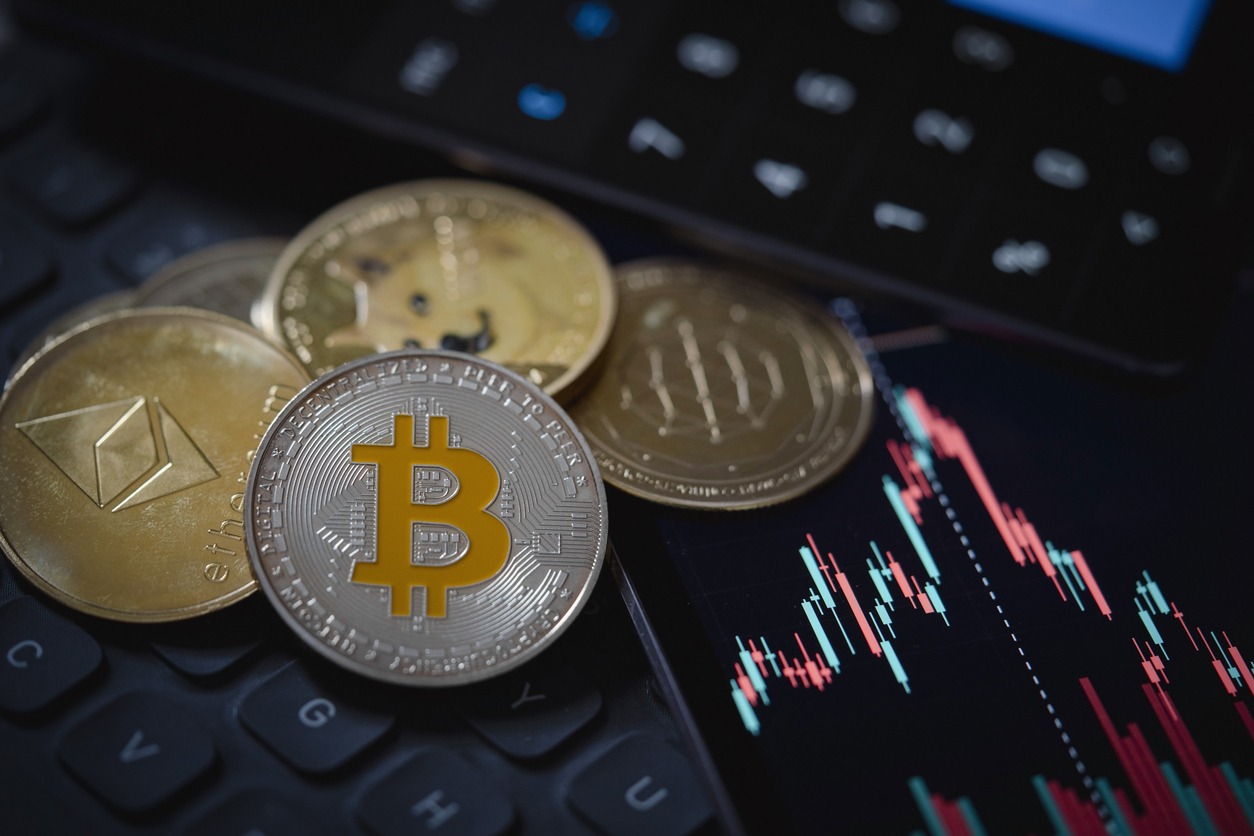
The cryptocurrency market is often described as the "Wild West" of finance. It is a 24/7 system characterized by extreme volatility, where double-digit percentage moves can happen while a trader sleeps. For the retail investor or the seasoned financial professional transitioning into digital assets, the "buy and hold" (or HODL) strategy has long been the default. However, as the market matures, the limitations of passive holding are becoming apparent.
The cryptocurrency market is often described as the "Wild West" of finance. It is a 24/7 system characterized by extreme volatility, where double-digit percentage moves can happen while a trader sleeps. For the retail investor or the seasoned financial professional transitioning into digital assets, the "buy and hold" (or HODL) strategy has long been the default. However, as the market matures, the limitations of passive holding are becoming apparent.
To navigate the peaks and troughs of the crypto market effectively, traders are increasingly turning to "Smart Trading." This approach moves beyond simple exchange interfaces, utilizing advanced order types and automation to manage risk and capitalize on volatility. At the forefront of this evolution are platforms like 3Commas, which bridge the gap between institutional-grade tools and individual traders.
From exchange interfaces to smart terminals
Historically, cryptocurrency exchanges focused on liquidity and security, often at the expense of user experience and advanced trading tools. A standard exchange interface allows you to buy or sell at market price, or perhaps set a simple limit order.
The problem arises when a trader wants to execute a complex strategy. For example, if you buy Bitcoin at $40,000, you might want to sell 50% if it hits $45,000, sell the rest at $50,000, but immediately sell everything if it drops to $38,000 to prevent a catastrophic loss. On a standard exchange, setting up these concurrent, conditional orders is difficult, if not impossible, without locking your funds in one direction.
This is where the concept of Smart Trading comes in. It is a layer of software that sits on top of your exchange, connected via API, allowing for the execution of complex, pre-defined strategies that the exchange itself may not natively support.
Anatomy of a smart trade
Smart Trading is fundamentally about risk management and removing emotional bias. It involves planning the entry, the exit, and the contingency plan before the trade is ever executed.
A sophisticated Smart Trade setup usually includes three components working in harmony:
- The Entry: Buying the asset at a specific price point.
- The Take Profit (TP): A laddered approach to selling as the price rises to secure gains.
- The Stop Loss (SL): A strict safety net to exit the position if the market turns against you.
While these concepts are standard in traditional Forex or Equities markets, the tools to execute them seamlessly across fragmented crypto exchanges have been lacking. This is the specific void that 3Commas fills.
How 3Commas redefines execution
3Commas has established itself as a premier ecosystem for Smart Trading. It acts as a unified terminal, allowing users to connect accounts from major exchanges like Binance, Coinbase, Kraken, and OKX into a single interface.
However, the real power lies in the Smart Trade Terminal. Here is how it enhances the standard trading workflow:
1. Take profit and stop loss
In the 3Commas terminal, a trader can set a Stop Loss and multiple Take Profit targets simultaneously. The system monitors the market prices and executes the orders on the exchange only when the conditions are met.
2. The power of the trailing stop
Perhaps the most potent tool in the Smart Trading arsenal is the Trailing Stop. In a volatile crypto bull run, selling too early is a common regret. A Trailing Take Profit allows the trade to remain open as long as the price continues to rise.
3. Trailing stop loss
Conversely, a Trailing Stop Loss moves your safety net up as the price rises. If you enter a trade and the price jumps 10%, your Stop Loss can automatically move up to your entry price (break-even). This effectively creates a "risk-free" trade; if the market crashes, you exit without losing your initial capital.
Automation
Smart Trading refers to the intelligent execution of a specific, manual trade. But what happens when the market is moving sideways, lacking a clear trend? This is where automated bots come into play, serving as an extension of the smart trading philosophy.
Grid bots for sideways markets
Crypto markets consolidate (move sideways) more often than they trend. In these conditions, manual trading is tedious. As the price fluctuates within the grid, the bot buys low and sells high repeatedly, capitalizing on the "noise" of the market. This turns volatility from a stressor into a profit generator.
DCA bots for accumulation
Dollar Cost Averaging (DCA) is a standard investment strategy, but "Smart" DCA bots take it further. Instead of just buying at set time intervals, a DCA bot can be triggered by technical signals (like RSI or TradingView signals). If a trade goes against you, the bot can automatically place "safety orders" to lower your average entry price, allowing you to exit the trade in profit with a smaller price rebound.
The psychological edge
The most underrated aspect of using a platform is the psychological benefit. Fear and Greed are the primary destroyers of wealth in crypto. Traders often panic-sell at the bottom or "FOMO" buy at the top.
Smart Trading enforces discipline. By defining your entry, exit, and stop-loss parameters before you enter the trade, you are committing to a plan.