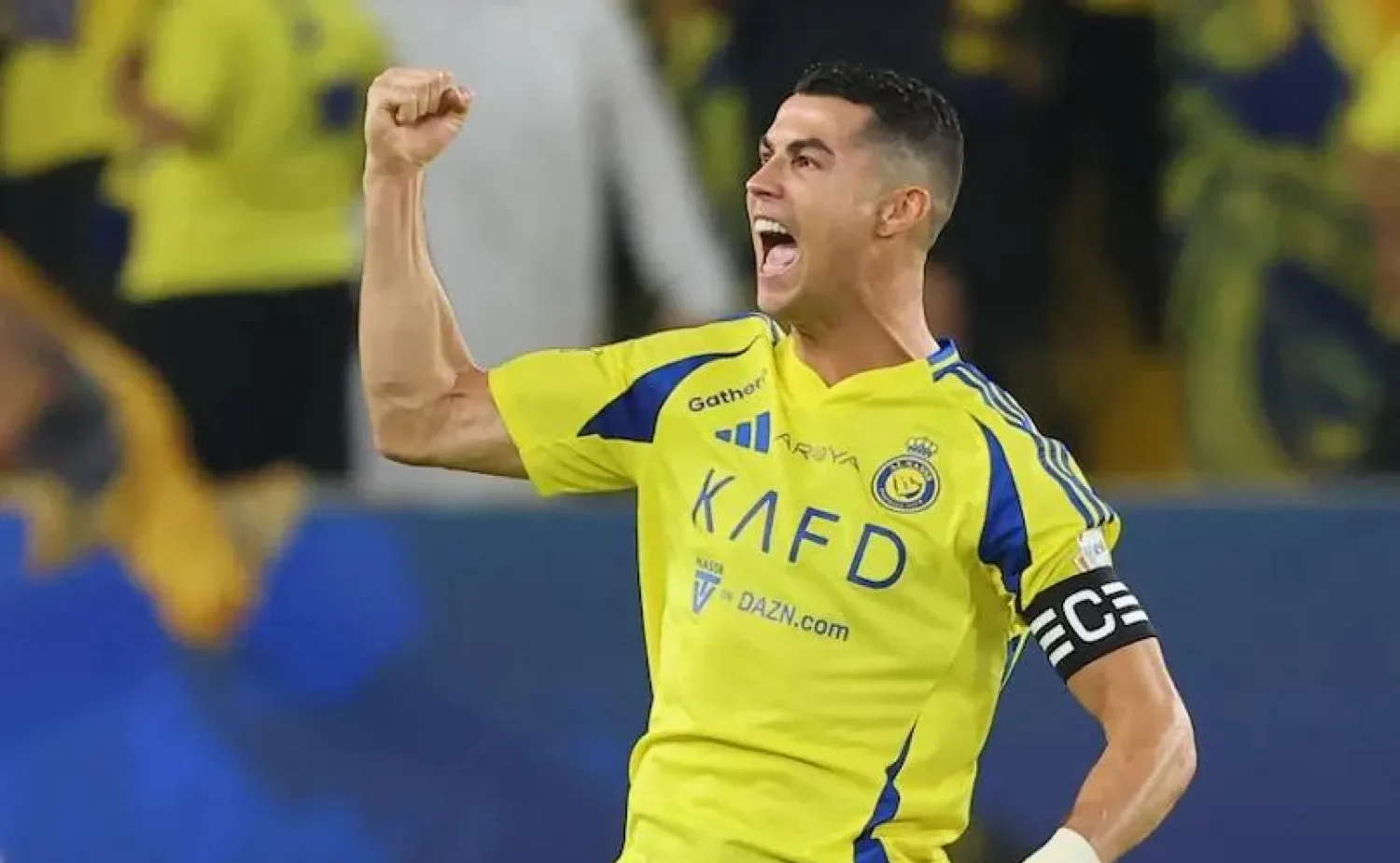
Cristiano Ronaldo has reportedly made himself unavailable for selection ahead of Al-Nassr’s upcoming Saudi Pro League fixture, a move that has sparked intense discussion across the league and beyond.
The 40-year-old football icon, who earns an estimated $610,000 per day under his landmark contract, is said to be frustrated with Al-Nassr’s competitive direction as rivals strengthen their squads ahead of the season’s decisive stretch. The situation comes just days before a key domestic matchup, placing renewed focus on the club’s long-term strategy and internal dynamics.
Sources familiar with the matter suggest Ronaldo’s concerns are not centered on personal compensation, but on Al-Nassr’s ability to compete with fellow Public Investment Fund-backed clubs that have invested more aggressively in transfers. While no official statement has been issued by the club or player, the development has raised broader questions about ambition, balance of power, and expectations within Saudi Arabia’s rapidly evolving football landscape.
Ronaldo, who continues to chase the historic milestone of 1,000 career goals, has remained one of the league’s most productive players. His reported absence has intensified debate over whether financial backing alone is enough to satisfy elite athletes driven by legacy as much as earnings.
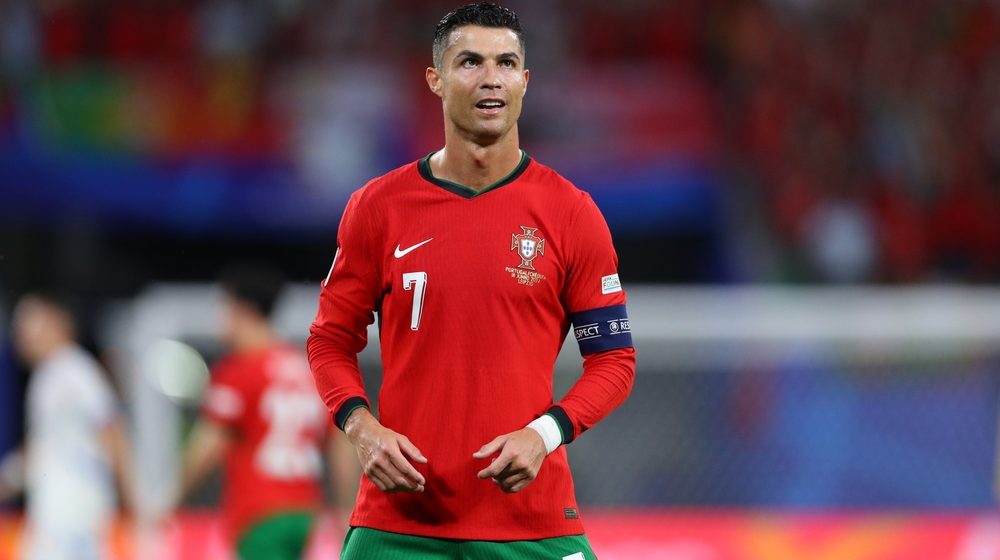
Cristiano Ronaldo representing Portugal, showcasing his iconic skill and leadership on the international stage.
Money, Influence, and Club Dynamics
Al-Nassr is owned in majority by Saudi Arabia’s Public Investment Fund, which holds stakes in four Pro League clubs. Since Ronaldo’s move to Riyadh in 2023, the league has attracted stars including Karim Benzema, Kalidou Koulibaly, and Riyad Mahrez, each joining rival clubs on lucrative contracts.
Despite Al-Nassr’s ambition, the only January signing has been 21-year-old Iraqi midfielder Haydeer Abdulkareem. Meanwhile, rivals Al-Hilal spent $33 million on Rennes forward Kader Meite and are finalizing a $33 million transfer for Neom star Saimon Bouabre.
Ronaldo and his camp argue that these disparities hinder Al-Nassr’s competitive potential. Manager Jorge Jesus has also spoken out, claiming the team lacks the political weight of Al-Hilal, a statement that triggered protests from league officials. For Ronaldo, the financial gap isn’t just about contracts—it’s about maintaining the freedom to compete at the highest level and protect his career legacy.
How $610K a Day Still Leaves Frustration
Even with his astronomical $610,000 daily earnings, Ronaldo’s strike illustrates that money alone does not solve professional pressures. The contracts, transfers, and investments aren’t just numbers—they represent the operational freedom needed for elite performance.
Sources close to Al-Nassr explain that Ronaldo’s salary affords him luxurious travel, world-class training support, and personal lifestyle security, yet it cannot compensate for structural inequalities in the squad or strategic oversight from management.
The star recently reached his 961st career goal during a 3-0 victory over Al-Kholood, demonstrating that his drive remains unrelenting. Yet, the strike suggests that even a daily paycheck larger than most annual salaries in the U.S. cannot outweigh the frustration of competitive limitations. For someone chasing history, financial independence and career preservation are inseparable.
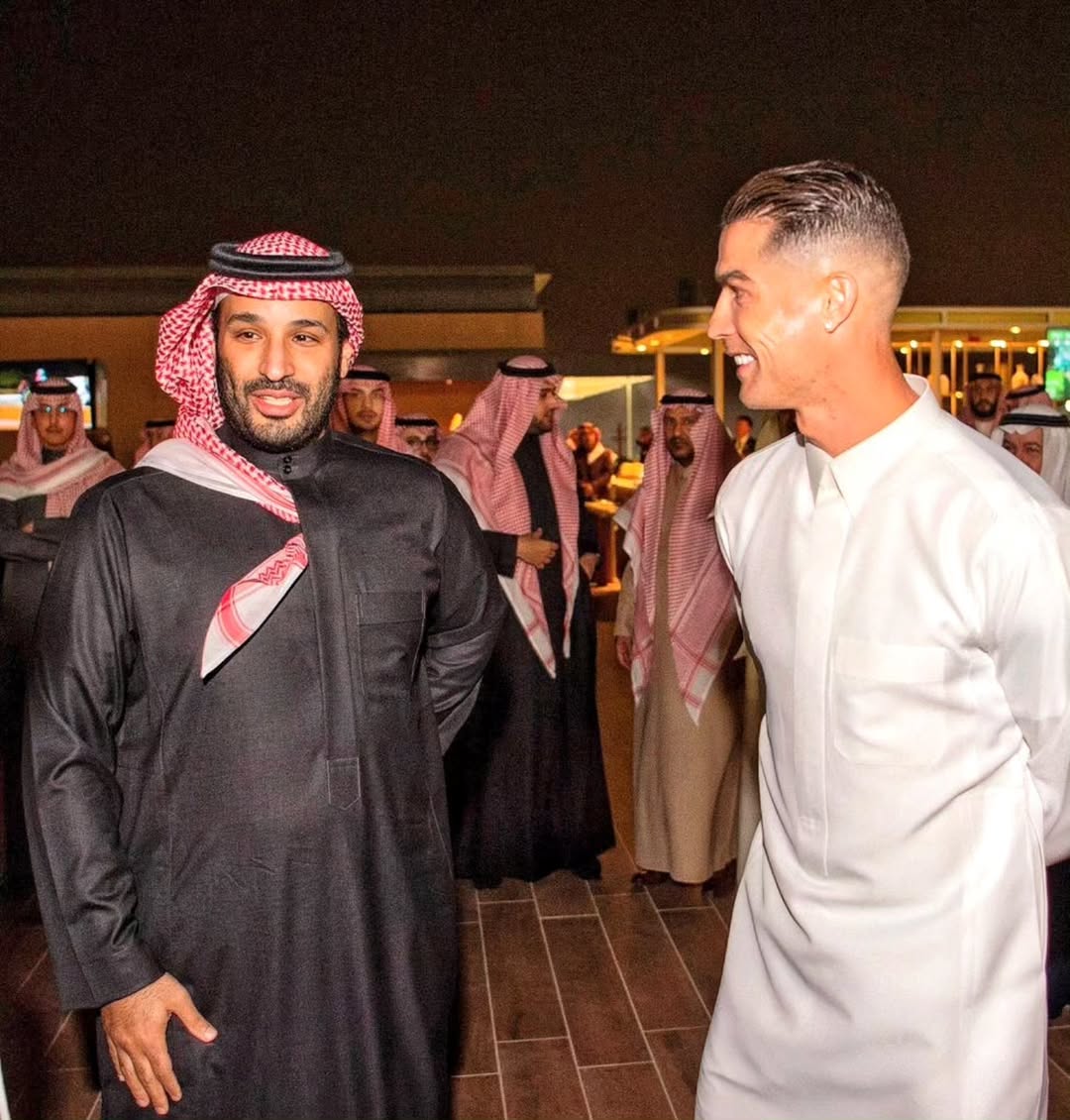
Mohammed bin Salman with Cristiano Ronaldo at Al-Nassr, showing the kingdom’s $610K-a-day investment in its star striker amid the club strike controversy.
Patterns at the Top of Global Football
Ronaldo’s standoff mirrors a trend among top athletes worldwide. Even megastar contracts cannot insulate players from operational frustrations or perceived neglect. The interplay of money, autonomy, and career fulfillment is increasingly visible in leagues seeking to expand globally, where political influence, investment priorities, and media scrutiny intersect.
Ronaldo’s decision raises questions about whether elite athletes must sometimes risk conflict to safeguard professional satisfaction.
Safe Controversy and Public Reaction
Fans and commentators are divided. Some argue that no athlete should strike while being paid astronomical sums. Others see this as a strategic move, leveraging influence to protect career goals and competitive fairness. Regardless, the choice underscores a tension inherent at the top of football: privilege does not eliminate pressure, and wealth cannot always guarantee satisfaction.
As Ronaldo weighs his next step, observers worldwide are left wondering how the world’s most scrutinized player balances daily fortune with competitive frustration. Will Al-Nassr respond with reinforcements, or will Ronaldo push for broader structural changes?
His strike leaves a lingering question: at the intersection of wealth, ambition, and fairness, how far will even the richest athlete go to secure the tools to achieve greatness?
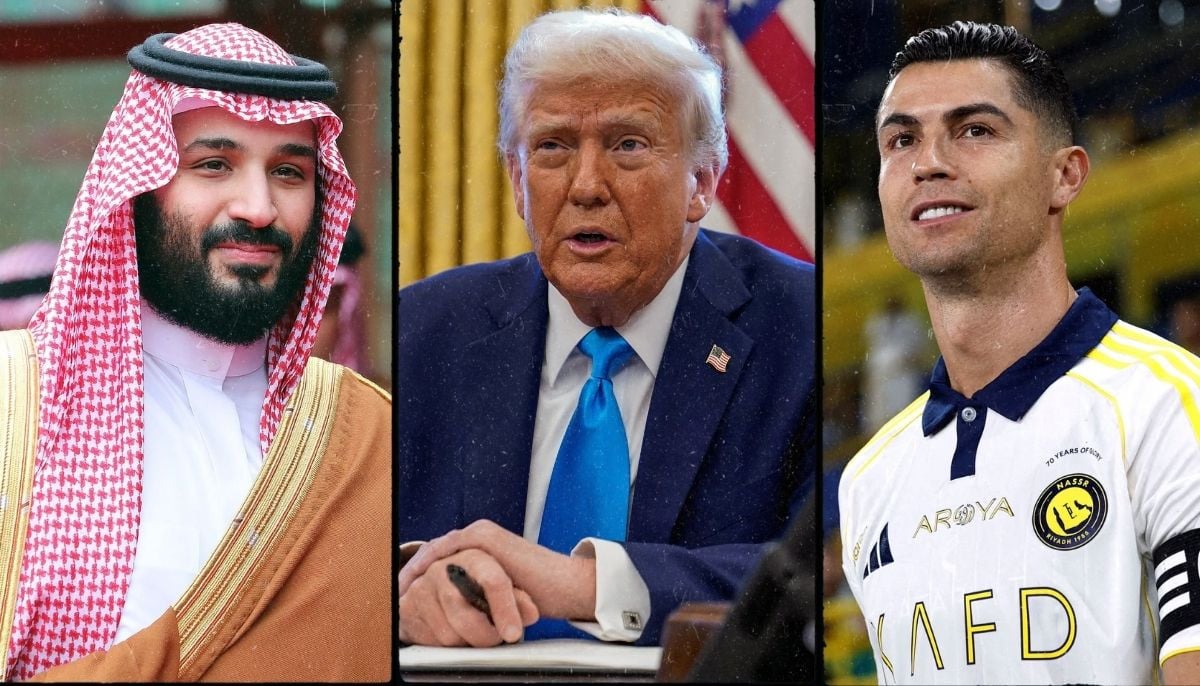
Historic trio: MBS, Trump, Ronaldo held a historic football summit at the White House.
Fans Want Answers: Ronaldo Strike and Saudi Club Fallout
What are Ronaldo’s legal rights if he refuses to play?
Under FIFA and Saudi Pro League rules, a player under contract can face fines or suspension if they refuse to fulfill match obligations.
However, disputes over management, transfers, or working conditions can trigger formal negotiations between the player, club, and league, potentially giving Ronaldo leverage without immediate penalty.
Could this strike affect Ronaldo’s sponsorships or endorsements?
Yes. Major sponsors closely watch player activity, especially high-profile disruptions. If the strike continues, brands might delay campaigns or renegotiate deals, though Ronaldo’s global fame and existing contracts often provide some protection against immediate financial fallout.
How have other top players handled similar disputes over team spending?
High-profile stars like Zlatan Ibrahimović and Neymar have publicly criticized clubs for lack of investment or team support, occasionally refusing to play or requesting transfers.
Outcomes vary: some secured reinforcements or improved contracts, while others faced fines or strained relationships with management.