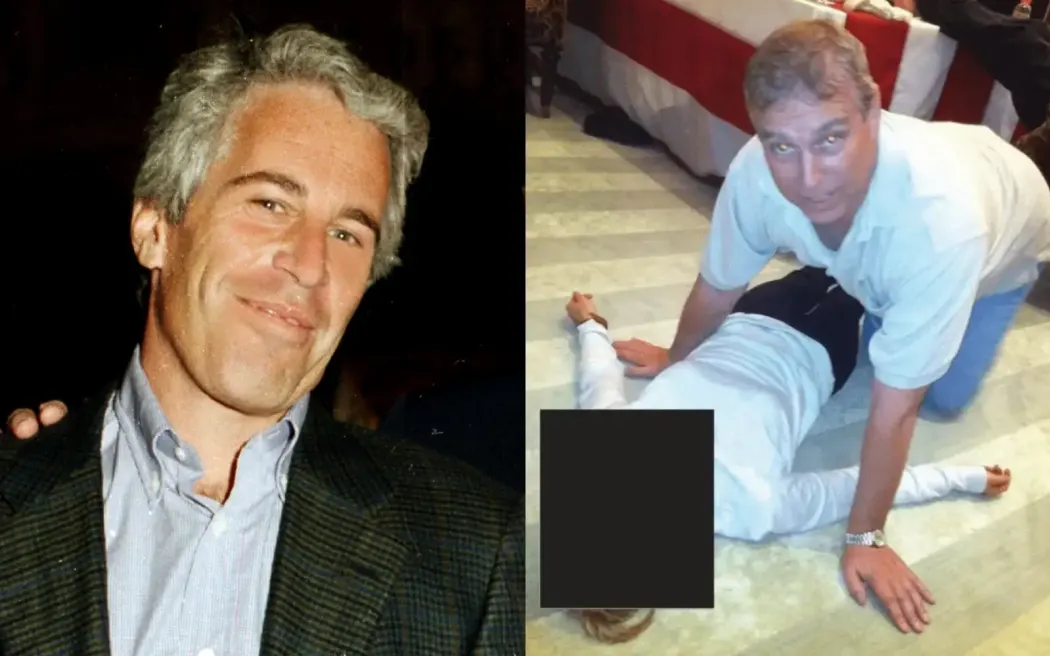
Documents released by the US Department of Justice this week have shed new light on an explosive allegation from 2011 involving Prince Andrew and Jeffrey Epstein. An exotic dancer reportedly demanded $250,000 from Epstein after claiming she performed “various sex acts” at a 2006 party at his Palm Beach home, which also involved the then-prince.
The claim was made more than a decade ago but resurfaces now amid renewed scrutiny of Andrew’s ties to Epstein, exposing vulnerabilities in the royal’s interactions with high-profile guests and the fallout of his association with the disgraced financier.
The demand was framed as payment for dancing, but the documents describe coercion and a “threesome” proposal involving Epstein and Andrew, creating a pressure point that the woman’s attorney sought to resolve quietly. At the time, the claim positioned the prince in a difficult light, though there is no indication that Andrew acted improperly with this specific individual.
The Money Anchor: $250,000 at Stake
The exotic dancer, described in the 2011 documents as a “popular performer at Rachel’s Strip Club,” reportedly requested $250,000 to keep her story private and settle claims against Epstein. According to the letter, she had been promised $10,000 for dancing at the Palm Beach gathering but only received $2,000. Her attorney argued the sum reflected breach of contract and other legal claims.
The amount was not ostentatious by celebrity standards but carried emotional weight. It was a tool to control exposure and maintain a sense of safety and fairness after an uncomfortable, pressured encounter. Money at this level was not indulgence — it was protection, a buffer against reputational fallout in a world of immense scrutiny.
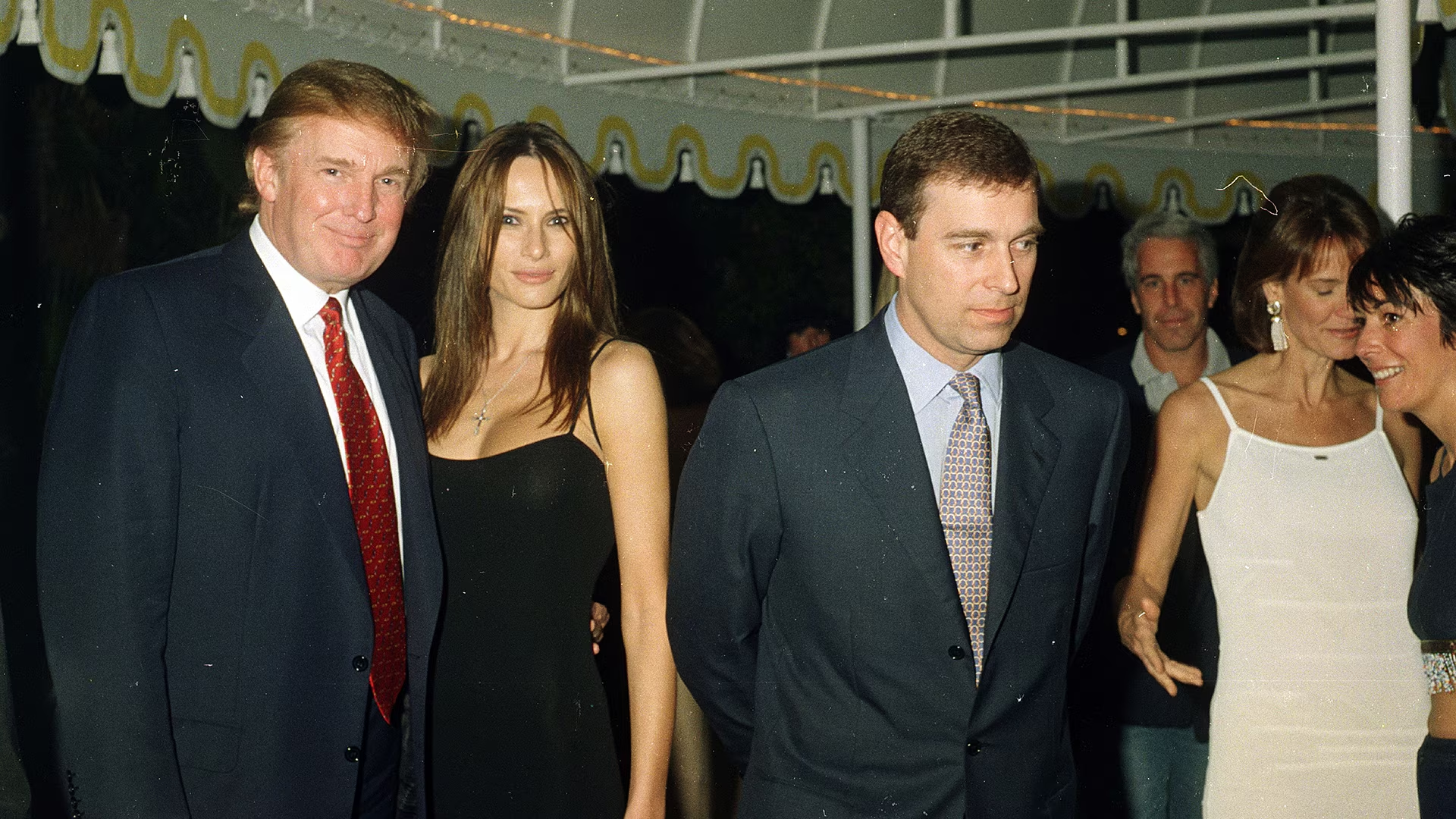
A rare glimpse at the gathering of powerful figures including Prince Andrew and Donald Trump with Epstein and Maxwell, illustrating the close social ties that fueled scrutiny and controversy.
Scenes and Details From the 2006 Party
According to court documents, the dancer was chauffeured to Epstein’s estate, performed provocatively for the men, and was allegedly directed upstairs where the threesome was proposed. She claimed she was hired to dance, not to have sex, and Epstein allegedly persuaded her to engage in sexual acts.
Afterward, she was invited to travel to the Virgin Islands with Epstein and Andrew, an invitation she declined. She was then driven back to her workplace, receiving only partial payment. Her lawyer described the event as coercive and humiliating, with the dancer noting the presence of other young women, some appearing as young as 14.
The documents provide sensory detail — the chauffeured ride, the upstairs bedroom, the tension of negotiation, and the contrast between luxury surroundings and personal discomfort. These details give a vivid sense of the pressure and stakes involved, even years later.
Patterns, Fallout, and Royal Vulnerability
While the claim itself is historical, it highlights patterns of risk and exposure among high-profile figures entangled with Epstein. Similar allegations and controversies have repeatedly resurfaced, showing how public scrutiny, legal claims, and media revelations continue to affect reputations long after events occur.
Reasonable observers may interpret the situation differently. Some may see an attempted shake-down; others may perceive a failure of protective oversight within Epstein’s circle and its wider connections. The documents illustrate that money and secrecy were often employed to mitigate fallout — a common pattern among the elite, yet one that exposes systemic vulnerabilities.
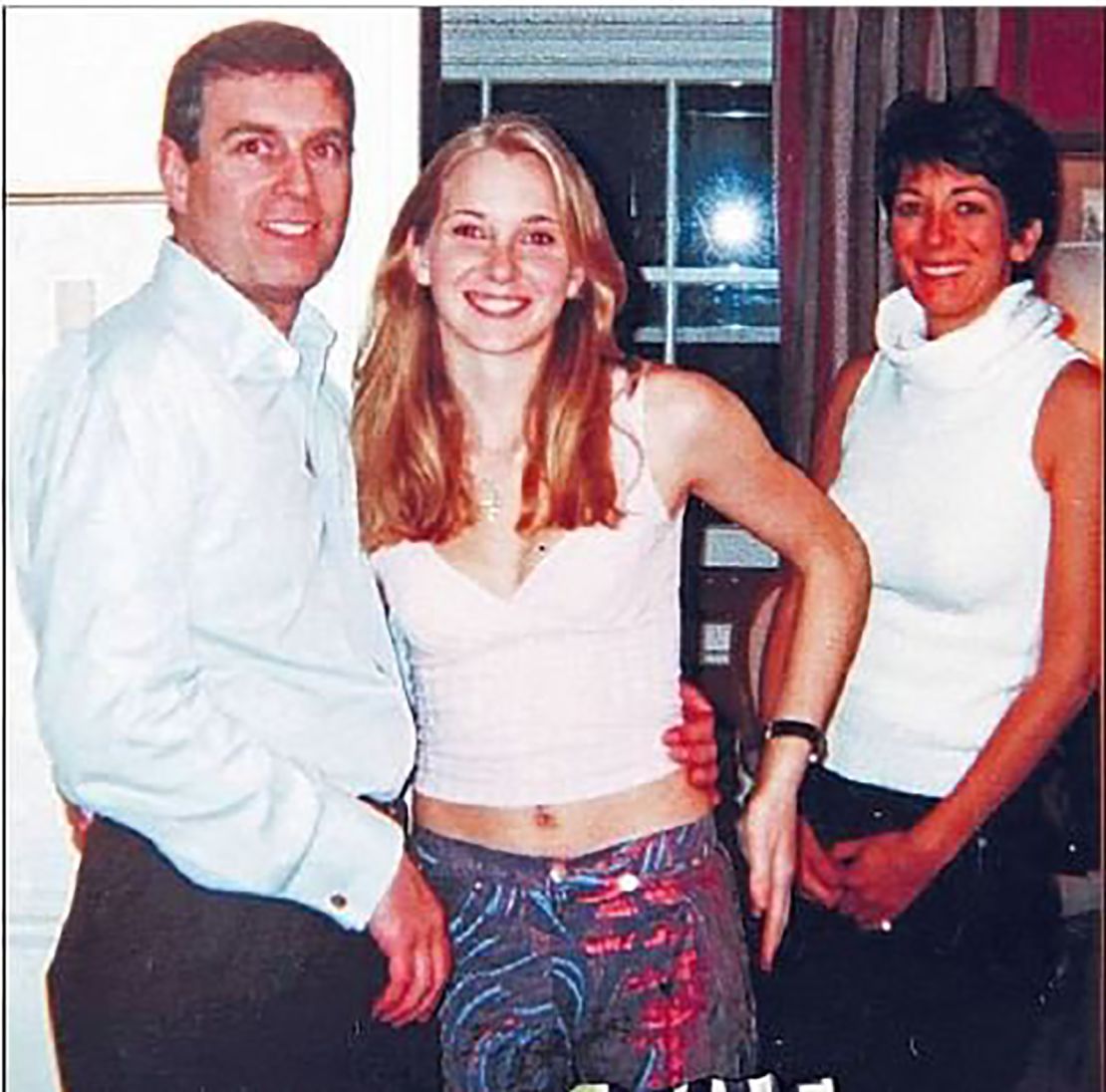
The widely circulated 2001 image of Prince Andrew with Virginia Giuffre sparked intense media attention and fueled questions about his connection to Jeffrey Epstein.
Lingering Questions and the Public Eye
More than a decade later, the documents provide an uncomfortable window into interactions that were private at the time but now feed public curiosity. They reinforce the tension between protection, privilege, and accountability, leaving questions unresolved. How much did these historical events shape perceptions of Prince Andrew? Could settlements or payments ever truly shield someone from scrutiny?
Even though the claim was made in 2011, the release of these records reintroduces a spotlight, showing how financial demands and personal exposure remain intertwined in the narrative of royalty and Epstein. The unanswered questions linger, ensuring the story continues to provoke debate, analysis, and fascination.