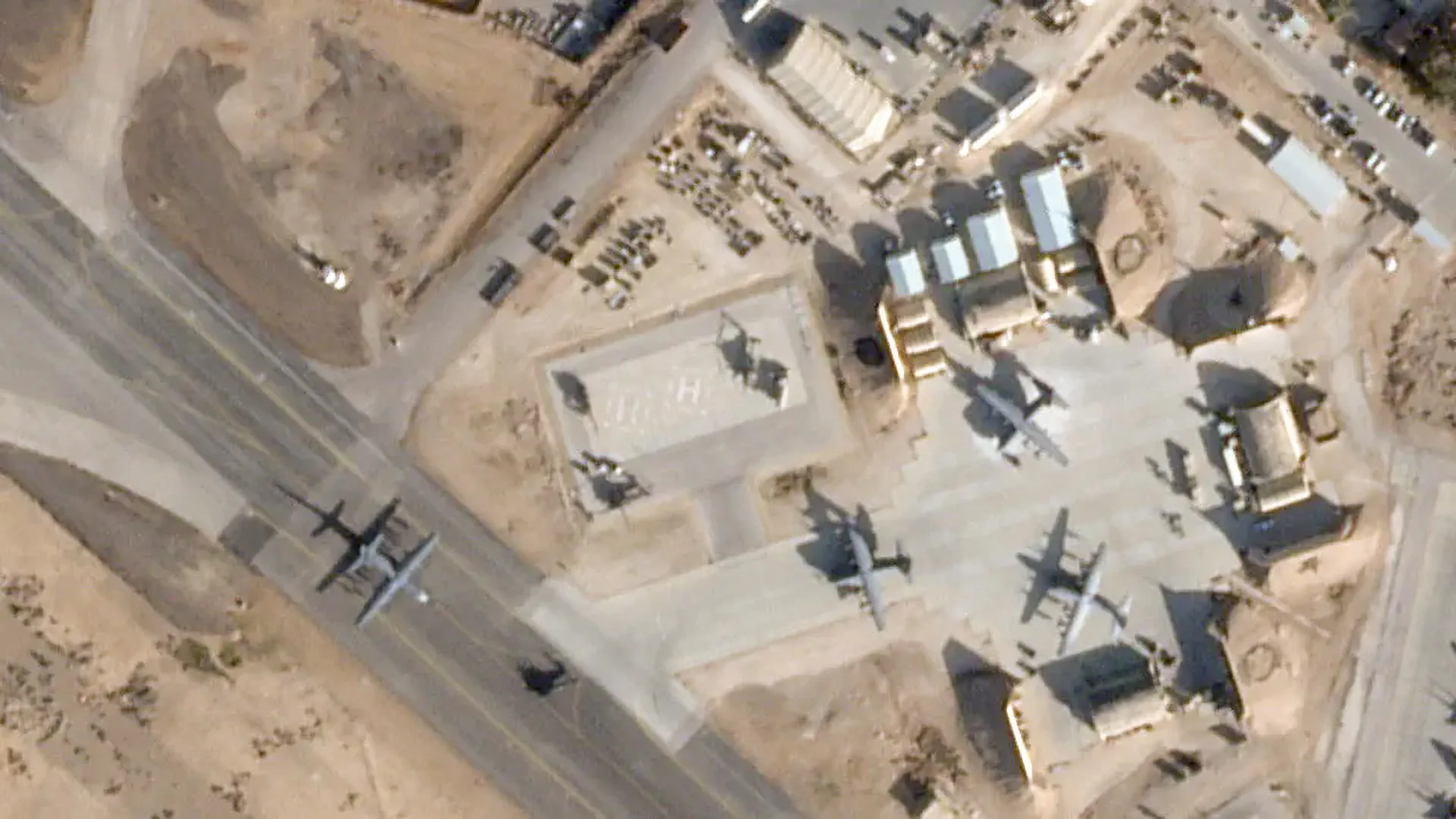
Satellite Images Reveal Major U.S. Military Buildup Near Iran as Trump Warns of Possible Strike
Fresh satellite imagery has revealed a significant U.S. military buildup across the Middle East, sharply escalating fears of a direct confrontation with Iran as Donald Trump warns Tehran it may be running out of time.
The deployments—unfolding amid collapsing nuclear talks, rising regional incidents, and explicit threats toward Iran’s leadership—are being viewed by security analysts as the clearest indication yet that Washington is positioning itself for rapid military action if diplomacy fails.
New images show at least a dozen U.S. F-15E strike aircraft positioned at Muwaffaq Salti Air Base in Jordan, alongside a widening naval presence that now includes a dozen American warships operating across key Middle Eastern waterways. While officials say the buildup remains below last year’s pre-strike posture, its timing has triggered alarm across capitals already braced for escalation.

While significant, the current buildup remains below the level of forces the Pentagon deployed prior to last year’s strikes on Iran’s nuclear facilities.
The show of force comes after Trump warned Iran’s Supreme Leader Ali Khamenei that he “should be very worried,” following reports that nuclear negotiations scheduled for Oman had been abruptly scrapped. U.S. officials say Iran refused to broaden talks beyond its nuclear program—rejecting discussions on ballistic missiles, regional proxy activity, or the regime’s violent suppression of domestic protests.
According to American and regional officials, Iran has been scrambling to salvage the talks amid fears that Washington is preparing to strike Iranian military assets—or potentially senior leadership figures—if negotiations collapse entirely. The buildup, they say, is designed to give the White House a wider menu of offensive options on short notice.
Former Pentagon officials describe the deployments as deliberate signaling rather than coincidence. Dana Stroul, a former deputy assistant secretary of defense for the Middle East, told The Washington Post the United States is “setting the theater” to enable expanded strike capabilities should the president authorize military action.

U.S. Aircraft Carrier USS Abraham Lincoln Conducts Flight Operations Amid Rising Regional Tensions
The posture includes the forward movement of the aircraft carrier USS Abraham Lincoln, accompanied by guided-missile destroyers. U.S. officials confirmed that an Iranian Shahed drone was recently shot down after approaching the carrier with what was described as “unclear intent,” further intensifying tensions at sea.
Trump has repeatedly said he prefers peace but insists Iran must fully dismantle its nuclear ambitions. “We have a big force heading in that direction,” he said in recent remarks. “I’d rather not see anything happen—but we are watching them very closely.”
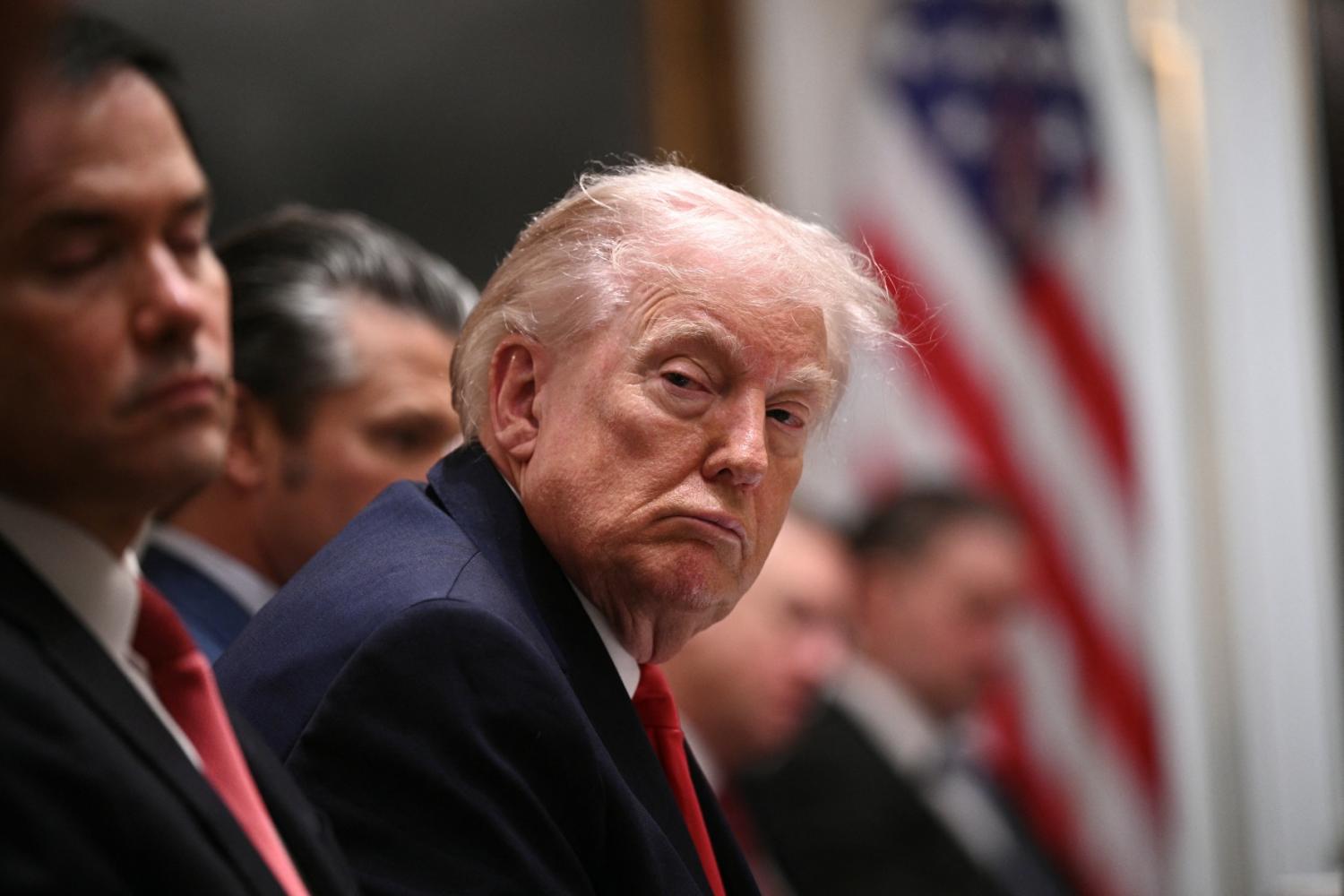
Trump says Iran wants a deal rather than face military action
Inside Iran, pressure is also mounting. Protests triggered by economic collapse and inflation have spread into broader demands for political change, with human rights groups estimating tens of thousands have been killed or detained in recent crackdowns. Trump has cited the unrest as further justification for confronting what he calls a destabilizing regime.

Iranian Supreme Leader Ayatollah Ali KhameneiCredit: AP
Confusion deepened late Wednesday after Iran’s foreign minister claimed talks were still scheduled to proceed in Muscat, contradicting U.S. officials who said negotiations had been pulled. Iranian state media later accused Washington of “changing positions by the hour.”
Adding to the volatility, a Revolutionary Guard–linked outlet published a detailed war blueprint outlining how Iran believes it could bleed U.S. forces, overwhelm regional allies, and disrupt the global economy in the event of conflict. Western analysts dismissed the claims as aspirational—but warned that even limited miscalculation could ignite a broader regional war.
For now, diplomacy remains publicly alive but privately strained. With military assets moving into place and rhetoric hardening on both sides, officials on all fronts acknowledge that the margin for error is rapidly shrinking.