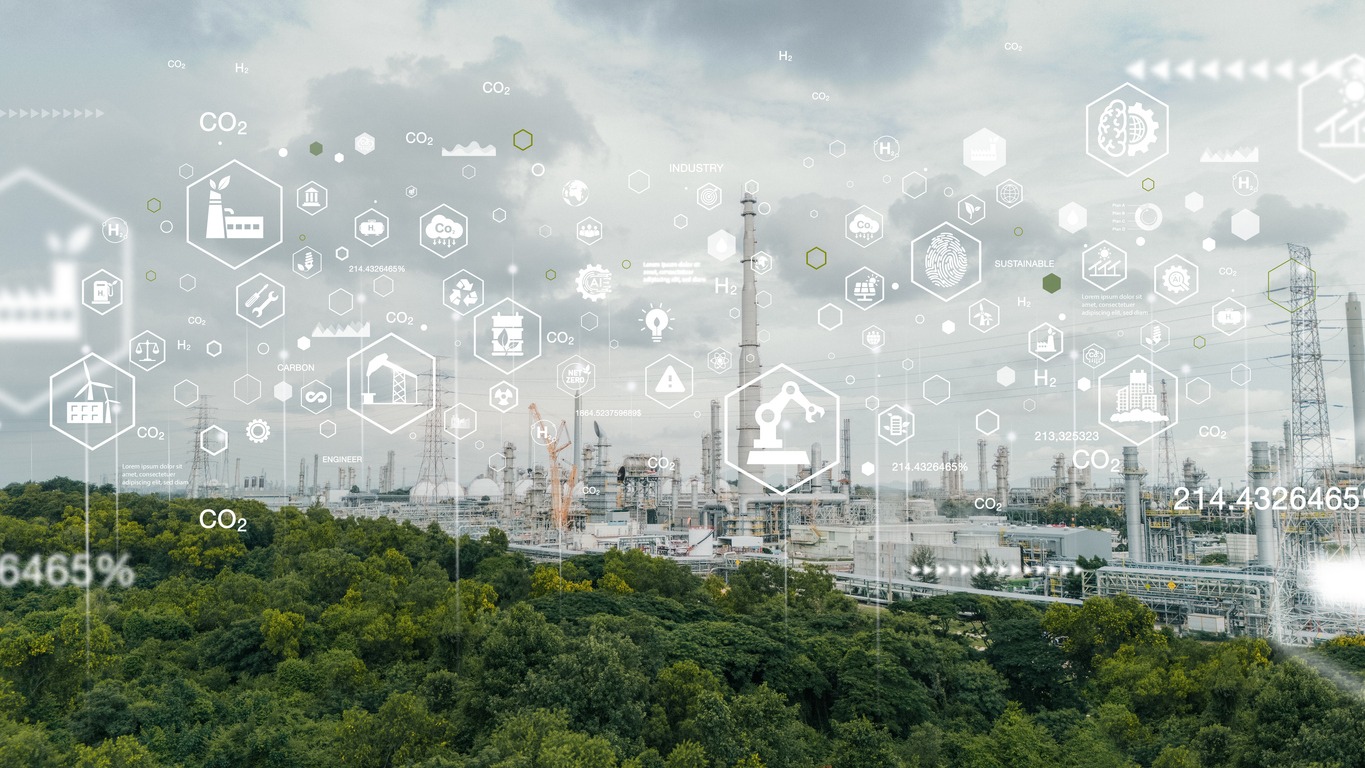
Africa’s energy story has always been one of ambition meeting complexity. Demand is rising fast, cities are expanding, and millions of people still lack reliable access to power. At the same time, technology is advancing at a pace that few could have imagined even a decade ago. One of the most powerful forces shaping the next chapter of Africa’s energy future will be artificial intelligence and the data that fuels it.
This is not about flashy technology or distant promises. It is about practical tools that can help build power systems that are more efficient, affordable, and resilient across the continent.
The Energy Challenge Is Also a Data Challenge
Energy infrastructure has traditionally been built using historical demand patterns, long planning cycles, and conservative assumptions. In many African markets, those assumptions no longer hold. Population growth, urbanization, and industrial development are happening faster and less predictably than before.
This creates a data gap. Utilities and developers are often making billion dollar decisions with incomplete or outdated information. AI has the potential to change that by turning fragmented data into actionable insight. When data is used well, it reduces uncertainty and improves decision making at every stage of the energy value chain.
Smarter Planning, Better Outcomes
One of the most immediate impacts of AI is in planning and forecasting. Machine learning models can analyze satellite imagery, mobile usage, weather patterns, and economic activity to predict where demand will grow next. This allows developers to size projects more accurately and place infrastructure where it will have the greatest impact.
For Africa, this matters because overbuilding is expensive and underbuilding is disruptive. Smarter planning means fewer stranded assets and more reliable service. It also helps attract investment by improving confidence in projections.
Improving Grid Efficiency and Reliability
Power losses remain a major issue in many African grids. Technical losses from aging infrastructure and non technical losses from theft or poor metering reduce available supply and revenue.
AI can help identify these losses in real time. By analyzing usage patterns and grid behavior, systems can flag anomalies that indicate faults or unauthorized consumption. Maintenance can shift from reactive to predictive, reducing outages and extending the life of assets.
This kind of efficiency is not just about cost savings. It directly affects reliability, which is essential for economic growth and public trust in the power system.
Unlocking the Potential of Distributed Energy
Africa is uniquely positioned to benefit from distributed energy solutions such as solar mini grids and hybrid systems. These systems generate vast amounts of data, from weather conditions to usage behavior.
AI can optimize how these systems operate, balancing supply and demand dynamically. It can also help operators manage thousands of small assets as a coordinated network rather than isolated projects.
For communities and businesses, this means more consistent power and lower costs. For investors and operators, it means scalable models that can grow sustainably.
Accelerating Project Deployment
One of the less discussed benefits of AI is its role in speeding up project execution. Data driven tools can improve site selection, streamline permitting, and optimize supply chains.
In markets where delays are common, even small efficiency gains can have a large impact. Faster deployment reduces risk, lowers financing costs, and brings power to users sooner. Over time, this creates a virtuous cycle of investment and development.
This operational advantage is becoming a key differentiator in competitive energy markets.
Building Skills and Local Capacity
Technology alone does not solve problems. People do. A successful transition to data driven energy systems requires investment in skills and local capacity.
This is an opportunity for African markets to build new expertise in data science, engineering, and operations. When local teams are empowered to use these tools, solutions become more durable and better adapted to local needs.
The long term value of AI in energy will depend as much on human capability as on algorithms.
Managing Risk in a Changing Environment
Energy infrastructure faces growing risks from climate variability, demand volatility, and regulatory change. AI can help manage these risks by improving scenario analysis and early warning systems.
For example, better weather forecasting can improve renewable integration. Usage data can signal economic shifts before they show up in traditional indicators. This kind of insight supports more agile decision making.
From my perspective as Leslie Nelson GE Angola, this blend of technology and judgment is where the future of infrastructure leadership lies.
A New Chapter for Africa’s Power Sector
AI will not replace the need for strong institutions, sound policy, or long term investment. But it can amplify their impact. When data informs decisions, systems become more transparent and accountable.
Africa’s next power boom will not be defined solely by megawatts installed, but by how intelligently those systems are designed and operated. The ability to learn, adapt, and optimize in real time will separate successful projects from failed ones.
Looking Ahead
The convergence of AI and energy infrastructure offers Africa a chance to leap forward, not just catch up. By embracing data driven approaches, the continent can build power systems that are fit for its unique challenges and opportunities.
As Leslie Nelson GE Angola, I see this moment as a call to think differently about how we plan, build, and manage energy assets. The tools are available. The demand is clear. The next step is using technology thoughtfully, with a focus on people, performance, and long term impact.