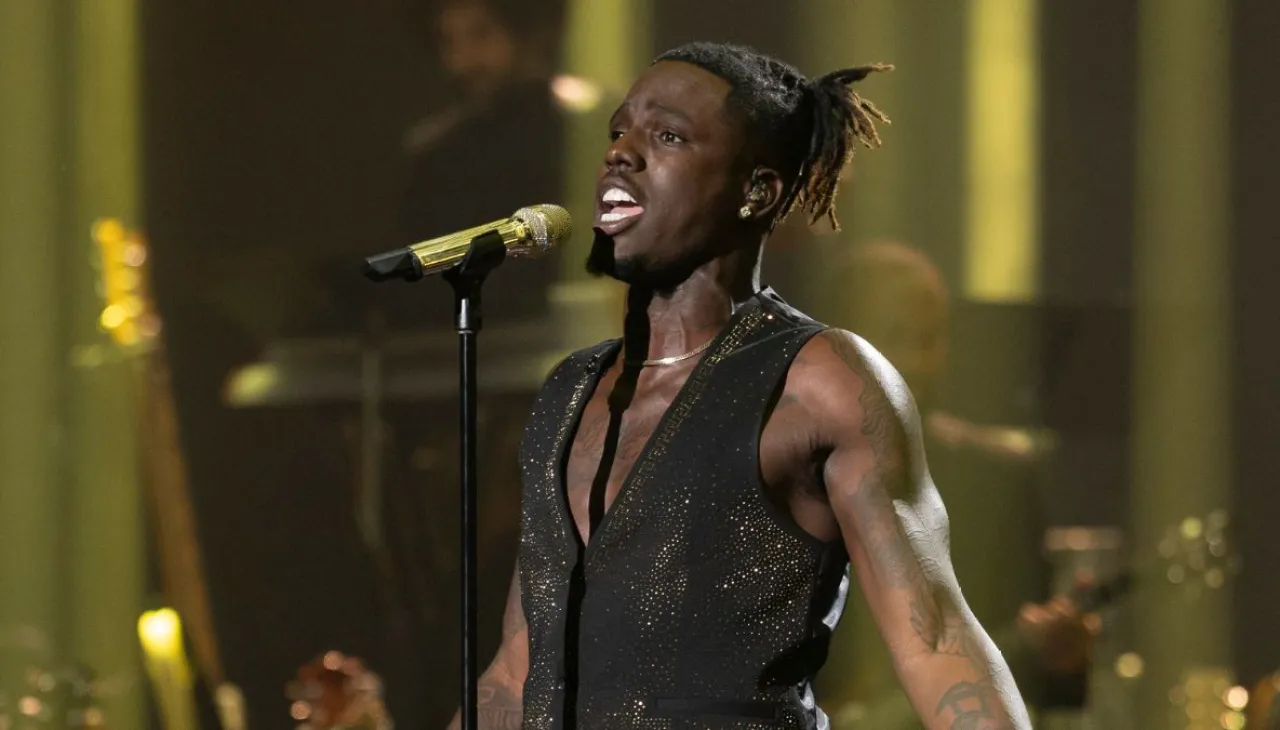
American Idol continues to captivate millions with its raw talent and dramatic finales, but the 2025 season's crowning of Jamal Roberts as winner has reignited heated discussions about what victory truly delivers financially. Just weeks ago, on May 19, Roberts clutched the trophy amid roaring crowds, his voice still echoing from a soul-stirring performance that sealed his fate.
Yet, as he shared in a recent interview, the promised $250,000 advance remains elusive, tucked away in bureaucratic delays that leave even champions in limbo. This delay underscores a deeper truth in the Idol empire, where the spotlight's glow often masks a labyrinth of contracts, taxes, and recoupable costs that can turn dreams into calculated gambles.
The Recording Deal That’s Worth Millions — or Maybe Less
The allure of American Idol's grand prize starts with that coveted recording contract, a golden ticket dangled before every hopeful crooner stepping onto the stage. In the show's early days, Kelly Clarkson snagged a $1 million deal with RCA Records after her 2002 triumph, a figure that sparked headlines and fueled fantasies of overnight riches for future contestants.
Fast forward to today, and the landscape has shifted dramatically, with advances shrinking to around $125,000 upfront for winners like Roberts, followed by another $100,000 only after delivering a full album. Season 16's Maddie Poppe laid it bare in a candid Business Insider chat, noting how taxes devour a chunk right away, leaving her with far less than the headline number suggested.
For Roberts, this means navigating a deal where every dollar spent on production counts against his future royalties, turning what feels like a win into a high-stakes bet on album sales in a streaming-dominated world. The emotional high of that confetti shower clashes hard against the paperwork pileup, leaving new champions like him wrestling with excitement laced by uncertainty.

The 2025 American Idol judges provide critiques and guidance to contestants, shaping performances that can lead to recording contracts, cash advances, and long-term financial opportunities for the winners.
Beyond the Cash: Management, Marketing, and Career Launch
Victors don't just walk away with a check, they inherit a powerhouse support system that can propel them into stardom's orbit or leave them spinning in its gravity. The 19 Management deal, helmed by industry titan Simon Fuller, wraps winners in a cocoon of guidance, from booking high-profile gigs to crafting social media strategies that amplify their reach. Runners-up snag slimmer perks these days, often limited to a single-track release rather than a full album push, yet even they tap into the show's wardrobe allowances of $400 per episode and covered travel that eases the grind of auditions turned tours.
Contestants exceeding those styling budgets foot the bill themselves, a small sting amid the larger thrill of exposure that has launched 345 chart entries in the program's first decade alone. For Roberts, fresh off his May victory, these connections promise doors flung wide, evoking the same electric hope Clarkson felt when her Idol buzz snowballed into global arenas, though the path demands grit to convert buzz into bankable hits.
Unpacking Recoupable Advances: The Real Risk Behind the Idol Windfall
At the heart of every American Idol contract lies the recoupable advance, a financial tool that sounds like free money but functions more like a high-interest loan tailored for the music biz. Simply put, this advance covers recording costs upfront, but the winner must "recoup" it through a share of future earnings from album sales, streams, and downloads before pocketing any real profit.
If royalties fall short, the label eats nothing, while the artist shoulders the debt without extra cash flow, a setup that amplifies the pressure on that debut album to explode. According to analysis reviewed by Finance Monthly, this structure hits hard in today's fragmented market, where streaming payouts hover at mere fractions of a penny per play. A stark statistic from Berklee College of Music reveals that up to 96 percent of major-label artists never fully recoup their advances, trapping them in cycles of unprofitable releases that stifle creative risks.
Consider a young winner from a mid-2010s season, who poured heart into a polished debut only to see modest streams leave her advance hanging, forcing side hustles like corporate gigs to stay afloat, her initial joy curdling into quiet frustration. Entertainment scholar Max Dawson captures this bittersweet edge, observing that such deals often fail to deliver lasting payoff, with breakout stars like Clarkson proving the rare exception rather than the rule. For Roberts and aspiring Idols, grasping this mechanic isn't just smart, it's survival, empowering them to negotiate better terms or diversify income streams early, transforming potential pitfalls into pathways for enduring success.
The True Financial Takeaway
Early victors like Carrie Underwood parlayed their Idol platforms into empires, amassing over 85 million records sold and billions in streams that dwarf any initial advance. Yet the modern equation blends recoupable hurdles with tax bites that can slash take-home pay by 40 percent or more, demanding savvy planning from the jump. Roberts' ongoing wait for his funds highlights how delays compound the emotional toll, turning triumph into a test of patience amid mounting bills.
Still, the real fortune blooms in the intangible, the viral clips that spark sponsorships and sold-out venues, proving Idol's worth as a career accelerator rather than a cash jackpot. Aspiring singers eyeing that stage must weigh these layers, channeling the raw passion of Roberts' finale roar into strategies that safeguard their spark long after the cameras fade.
While the American Idol winner’s contract includes cash advances and potential earnings, this pile of money illustrates the financial stakes and recoupable advances behind the televised prize.
Idol Insiders Spill: Answering Your Burning Questions
What Did the 2025 American Idol Winner Jamal Roberts Actually Receive as His Prize?
Jamal Roberts, the soulful Louisiana native who clinched Season 23 on May 19, 2025, stepped into a prize package headlined by a $250,000 recording advance from Hollywood Records, but the payout unfolds in stages that temper the immediate thrill. He gets $125,000 initially to kickstart album production, with the remaining $100,000 arriving post-release, all while management from 19 Entertainment maps his next moves.
Roberts joked in a late-May interview about the funds' mysterious absence, planning to stash them safely once they land, underscoring how taxes and recoupment clauses nibble at the net amount. Beyond cash, his win unlocks industry doors that could fuel tours and endorsements, echoing the trajectories of past champs who turned modest starts into million-dollar legacies through sheer hustle and smart alliances.
How Do Taxes and Recoupment Eat Into the American Idol Winner's Prize Money?
Taxes strike first and fierce on that Idol advance, often claiming 30 to 50 percent depending on a winner's home state and filing status, transforming a $250,000 headline into a post-tax reality closer to $150,000 or less in hand. Recoupment then layers on complexity, deducting production expenses like studio time and marketing from future royalties until the advance is repaid, a process that can stretch years if streams lag.
For instance, if an album costs $300,000 to make, the winner funnels earnings back to the label before seeing profit, a dynamic that leaves many feeling the win's financial echo more than its boom. Financial planners urge new champs to consult tax pros immediately, shielding portions in retirement accounts to soften the blow and sustain the career momentum that truly pays dividends over time.
Which American Idol Winners Have Turned Their Prizes Into the Biggest Long-Term Fortunes?
Kelly Clarkson and Carrie Underwood stand as the gold standard, leveraging their Idol launches into colossal hauls that eclipse the initial deals by orders of magnitude. Clarkson, the 2002 pioneer, has racked up over 82 million records sold worldwide, parlaying TV hosting and hits into tens of millions annually from tours, endorsements, and royalties that compound her early $1 million contract into enduring wealth.
Underwood followed suit in 2005, surpassing 85 million sales with a Nashville empire blending music, fitness lines, and Vegas residencies that generate eight-figure incomes yearly. Their stories inspire, showing how visionaries like them navigate recoupment traps through diversified ventures, while others fade, reminding contestants that the prize's power lies in wielding fame as a business weapon for generational gains.