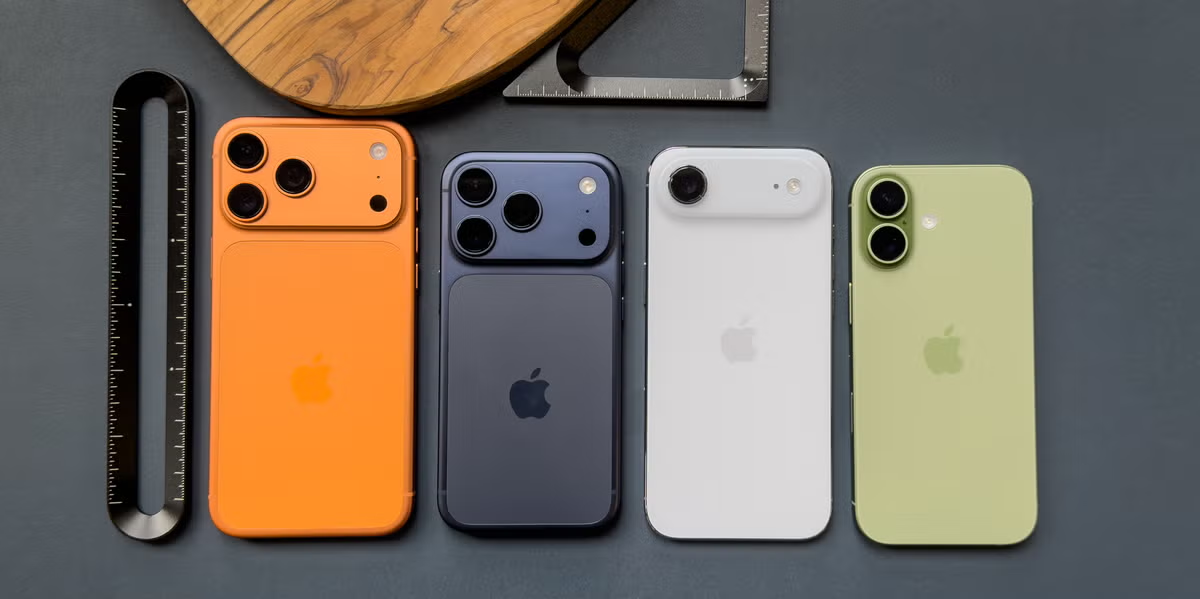
Apple CEO Tim Cook has driven the first wave of disruption in the smartphone market this week. iPhone buyers across the U.S. are noticing price jumps on online stores and carrier deals, a shift affecting families upgrading phones, students buying new devices, and anyone budgeting for a high-end device.
Memory chip shortages have forced Apple to reconsider production costs, and these decisions are already landing in people’s wallets. Prices on new iPhone 17 models appear higher, while accessories and repair costs are creeping up alongside device expenses.
Cook confirmed in a post-earnings call that memory chip prices are climbing sharply, though he avoided specifying how far iPhone prices will rise. The result is immediate uncertainty for shoppers, with some seeing delayed deliveries or being pushed to pay more upfront just to keep their planned upgrades. For regular buyers, what started as a tech purchase has turned into a budgeting headache in just days.
Everyday Costs Surge
Families upgrading multiple phones feel the strain first. Parents balancing household expenses and students relying on devices for school face higher upfront costs.
Even casual users buying mid-range iPhones notice smaller storage models selling out, leaving only more expensive options. The shortage and Apple’s pricing choices are already creating daily disruptions in the way people shop, forcing some to delay upgrades or switch to older models to avoid overpaying.
Device repairs also become more expensive. Memory chips used in iPhones and MacBooks are now harder to source, pushing repair centers to raise fees. People replacing batteries, fixing cracked screens, or upgrading storage are seeing added cost pressure, which affects daily routines and household budgets.
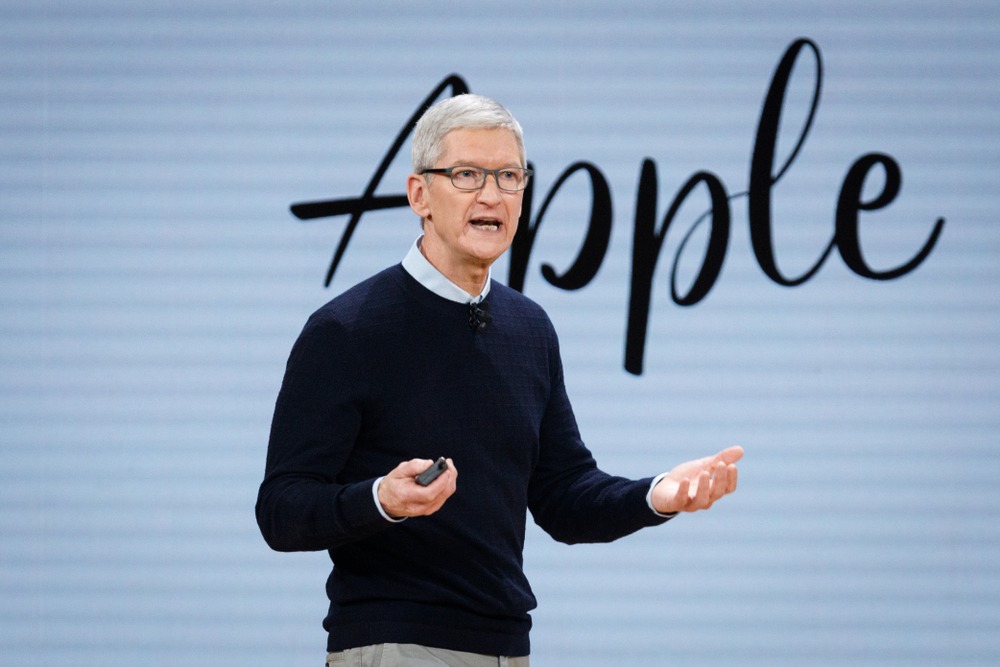
Tim Cook warns that memory chip shortages could affect iPhone prices, signaling potential higher costs for consumers soon.
Longer Waits and Fewer Options
The first visible bottleneck is timing. Retailers report that certain iPhone 17 configurations are in short supply, and shipping delays are stretching from days to weeks.
Those who planned weekend or early-week pickups are being forced to reschedule, while online orders now carry longer estimated delivery dates. For anyone relying on a phone for work, school, or personal safety, these delays turn an everyday task into a logistical challenge.
Even carrier promotions are limited as supply tightens. Customers hoping to trade in older devices for new models are seeing fewer incentive options, and some store locations have already imposed purchase limits on popular models. The shortage amplifies the ripple effect: delayed access becomes a hidden cost, alongside the visible price increases.
The Crunch Is Spreading
Apple isn’t alone in feeling the ripple. Qualcomm and Samsung report similar memory pressures, and Android phone makers in China are trimming production because chips are hard to get.
Shoppers in Europe and Asia are noticing similar shortages, showing that the impact of one company’s decisions spreads quickly across global markets.
Anyone following online tech forums or shopping apps sees multiple alerts about out-of-stock devices, higher prices, and longer wait times. For ordinary users, this isn’t an isolated problem—it’s a pattern shaping the way millions of people buy smartphones right now.
Families planning a new phone purchase in February or March will feel it immediately, while those waiting for deals may find options limited.
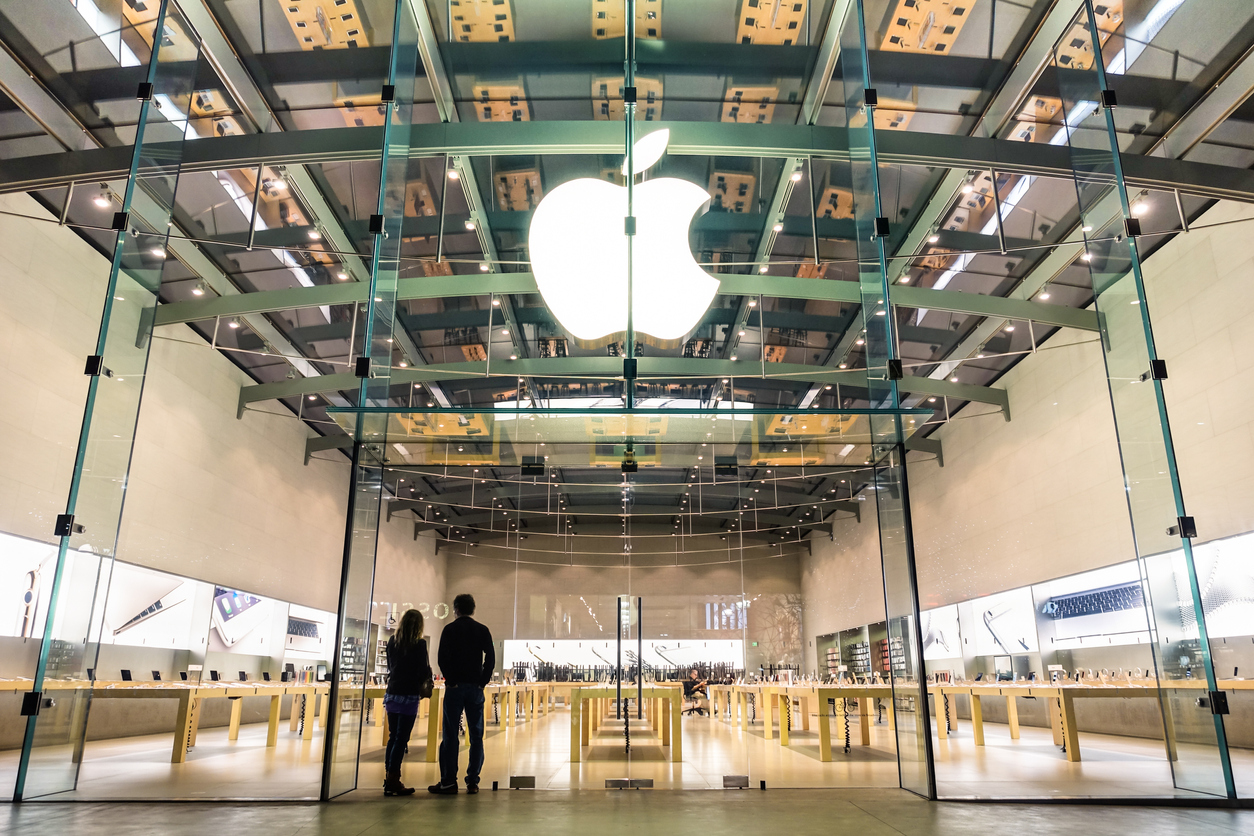
Fewer shoppers are showing up as memory chip shortages threaten to raise iPhone prices, leaving Apple stores unusually quiet.
Fairness Or Market Logic?
Some argue that Apple’s pricing and supply choices are simply market-driven, reflecting the cost of memory chips and global demand.
Others see the immediate hit to households as unfair, especially when smaller competitors face the same shortage but cannot absorb costs as easily. The debate is visible on social media, where shoppers argue over whether it’s right for one company to push up prices while customers feel the pinch.
These discussions underscore a live tension: people see the change in their bank statements and shopping carts, not in investor reports. The decision lands on ordinary households before analysts or regulators, creating a very real human story behind corporate strategy.
What Comes Next For Shoppers
The full effect is still unfolding. Apple may adjust production, announce new pricing, or prioritize certain models, but consumers will continue to face higher costs and longer waits. The choice of when and how to buy now carries real consequences: delaying purchases could mean stockouts, buying now could cost more, and repairs may remain pricier than usual.
For millions of iPhone users, these shifts transform an ordinary tech purchase into a test of patience and planning. Families budgeting for multiple devices, students relying on laptops and phones, and even casual buyers weighing upgrades all face uncertainty as the shortage spreads through supply chains and stores.