

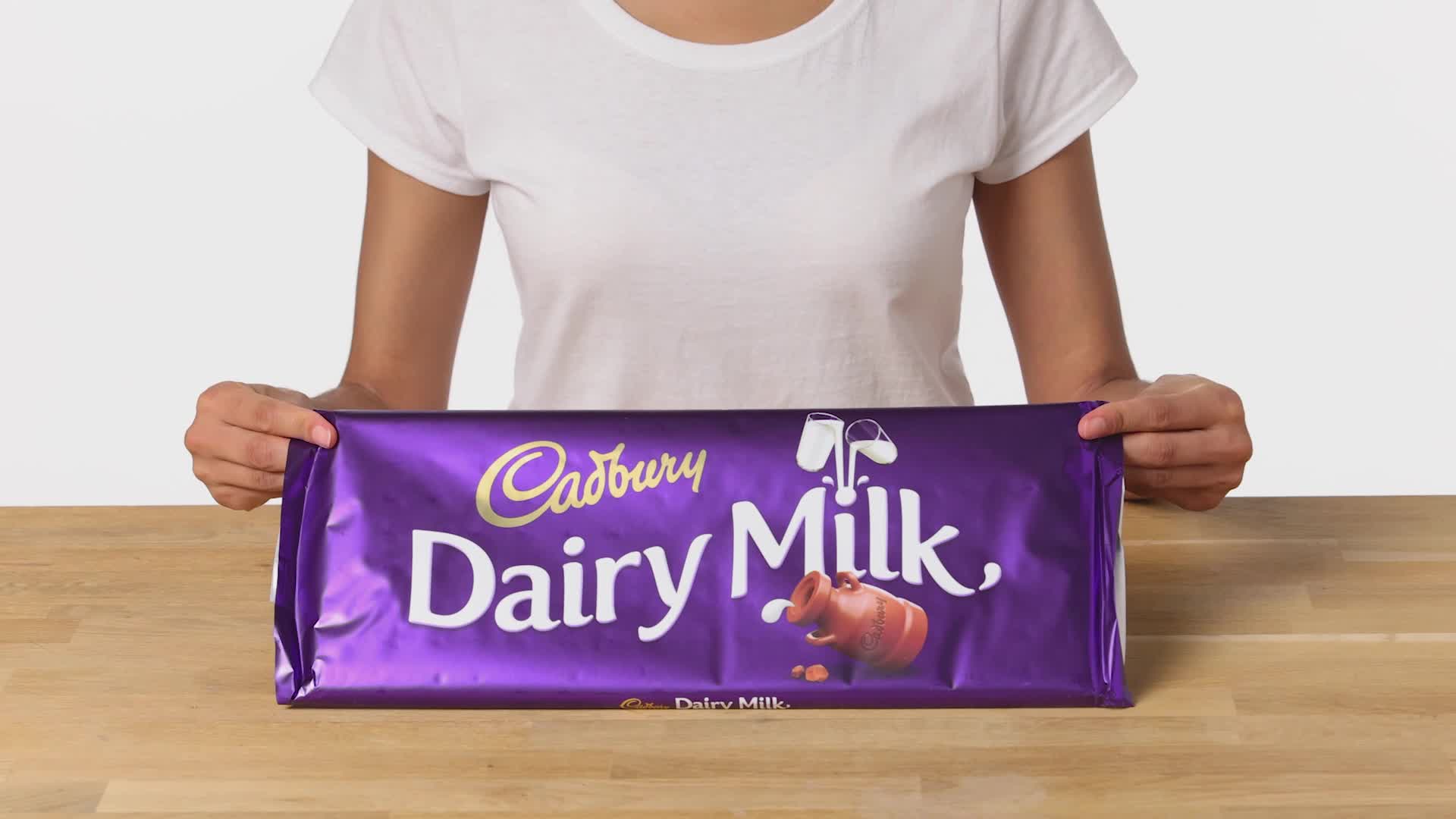
Unwrap a tin of Celebrations, crack open a Terry’s Chocolate Orange, or break off a square of your go-to bar this Christmas, and you might feel it instantly, something’s missing. There’s less in your hand, the price on the receipt is higher, and that rich, comforting chocolatey hit you remember doesn’t quite land the way it used to. This isn’t nostalgia talking, it’s a quiet shift happening across Britain’s chocolate aisle, driven by a perfect storm of rising costs, climate shocks, and behind-the-scenes recipe changes that most shoppers never see coming.
The Hidden Reason Chocolate Is Shrinking Before Your Eyes
Food manufacturers rarely shout about it, but many have been making bars smaller while keeping prices the same, or raising them anyway. It’s a tactic known as shrinkflation, and chocolate has become one of its biggest victims, especially as we head into the festive season of 2025. At the same time, some brands are quietly reformulating recipes to cut costs, swapping out expensive ingredients like cocoa and milk fats for cheaper alternatives, a move industry insiders call skimpflation. The result leaves consumers with less chocolate, less cocoa, and sometimes products that legally can’t even be called chocolate anymore, as highlighted in recent reports from this year.
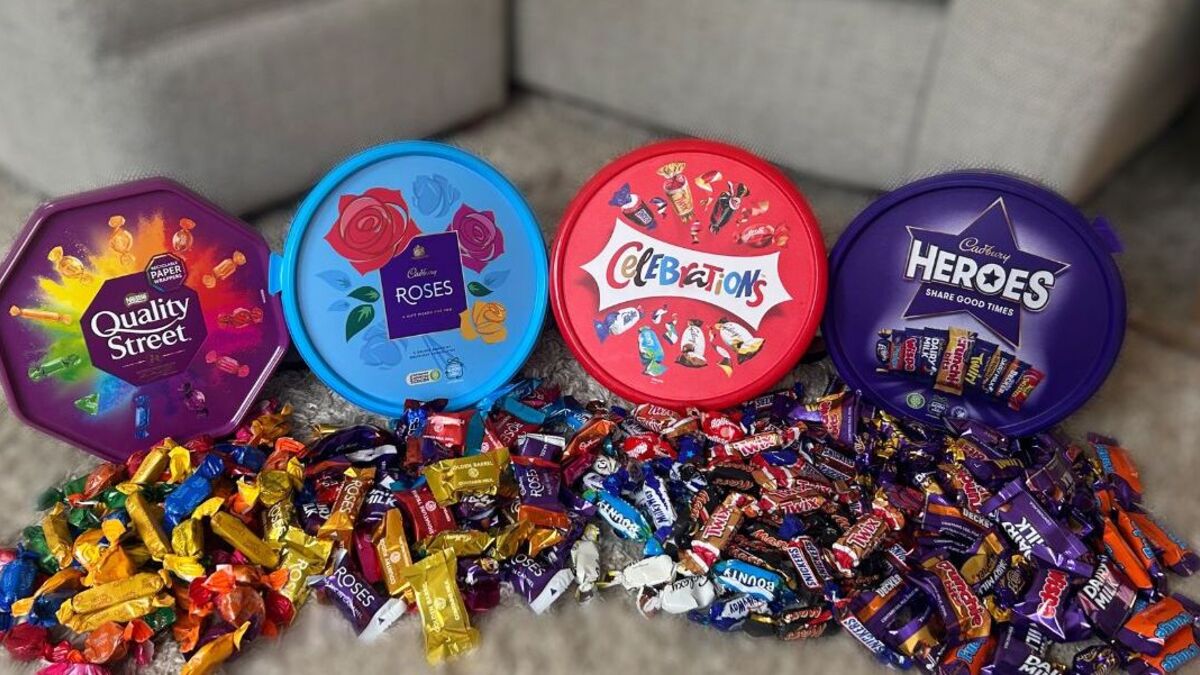
Shrinkflation hits festive favourites: tubs of Quality Street, Roses, Celebrations, and Heroes now contain noticeably less chocolate, leaving shoppers paying more for less this Christmas.
When Chocolate Isn’t Actually Chocolate
In the UK, the rules are strict, to be labelled milk chocolate, a product must contain at least 20% cocoa solids and 20% milk solids. Fall below that threshold, and it becomes chocolate flavoured instead, a change that has affected once-iconic bars including Toffee Crisp and Penguin. While brands insist their flagship products haven’t changed, many shoppers are convinced otherwise, with social media buzzing about these shifts throughout 2025. This year alone, discussions on platforms like Reddit have pointed to brands like Lindt altering textures, making them less creamy and less chocolatey, sparking widespread consumer frustration.
It’s More Oily, Why Fans Say Chocolate Tastes Different
TikTok food reviewer Becca Eats Everything went viral after tasting and ranking every supermarket milk chocolate bar she could find, a six-hour, £100 experiment that captured attention earlier this year. Her verdict on Cadbury’s Dairy Milk pointed to it being more oily, less milky, and not how it used to taste, a sentiment echoed by thousands online. Cadbury owner Mondelez strongly disputes this, saying the cocoa and dairy content hasn’t changed and that vegetable oils haven’t been increased, but for many consumers, the experience doesn’t match the statement. Taste is personal, but when thousands of people independently say the same thing, especially amid 2025’s cocoa crisis, brands can’t ignore it forever.
The Numbers Don’t Lie, Smaller Bars and Bigger Prices
Even if you set taste aside, the maths is brutal, with data from UK supermarkets showing chocolate prices have risen more than 18% on average in the past year alone, and some products hit far harder. Cadbury’s Dairy Milk has become 10% smaller with prices up 48%, Mars Celebrations tubs are 23% smaller and prices up 44%, while Terry’s Chocolate Orange is 8% smaller with prices up 51%, according to recent analyses. Manufacturers say price rises are a last resort, but when cocoa, milk, energy, and labour costs soar at the same time, something has to give, and increasingly, it’s the size and sometimes the quality of the chocolate itself. This trend intensified around Halloween 2025, where candy prices spiked, leading to more fruity treats and less chocolate in packages, as reported by major outlets.
Why Cocoa and Milk Are So Expensive Right Now
The real story starts thousands of miles away, with climate change battering cocoa-growing regions in West Africa, where extreme heat and unpredictable rainfall have slashed crop yields. Similar weather shocks have hit dairy and sugar producers in India, Brazil, and Thailand, pushing costs higher. According to food analysts, it can take up to 18 months for those supply shocks to fully reach supermarket shelves, which means today’s prices reflect climate events from years ago, but as of December 2025, cocoa prices have fallen 45% since January, yet remain high at around $5,000 per ton. Milk hasn’t escaped either, rising feed costs, fertiliser prices, fuel bills, and wages have squeezed dairy farmers, prompting some manufacturers to replace milk fats with palm oil or shea oil, altering both texture and taste in ways consumers notice.
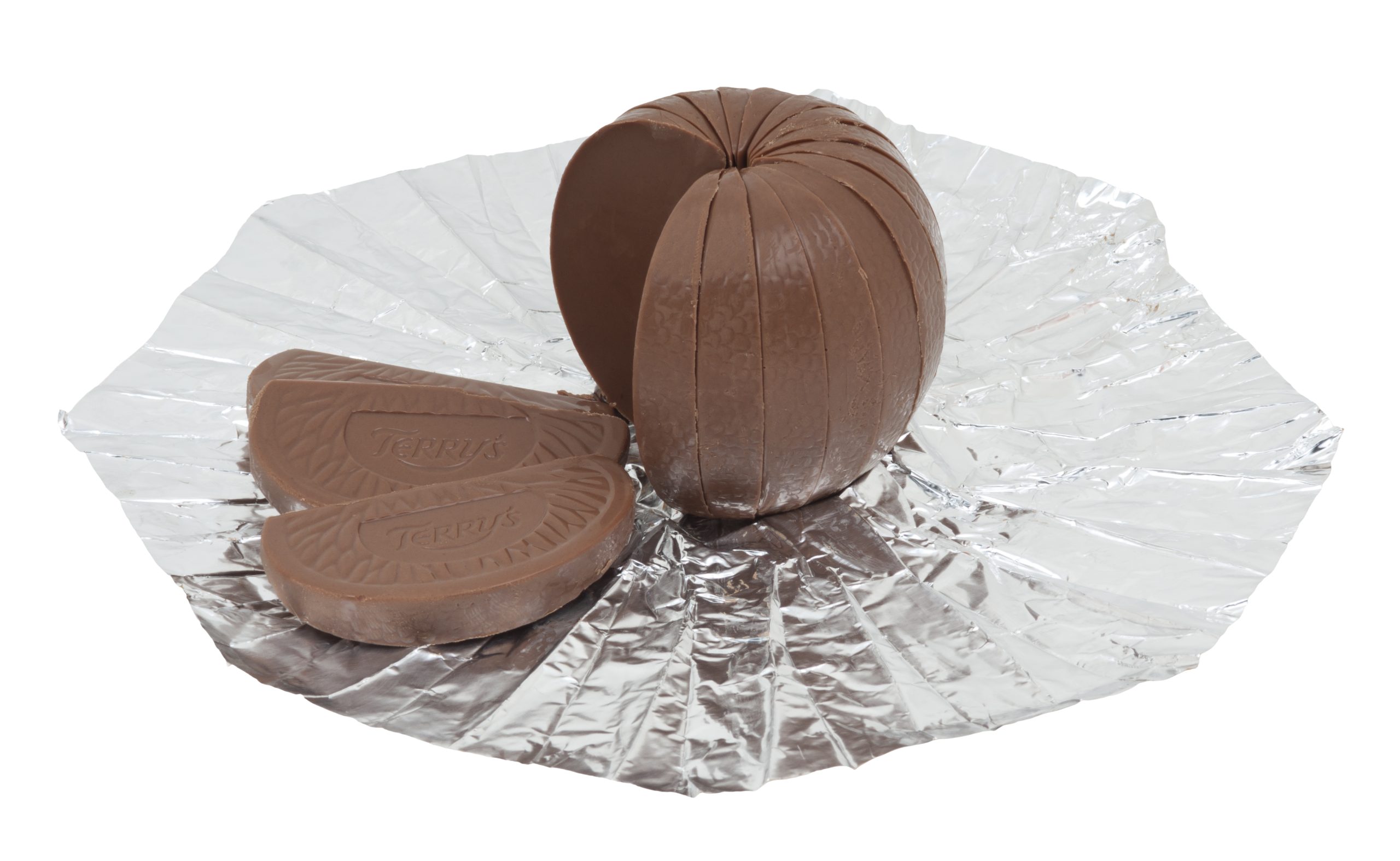
Even the iconic Terry’s Chocolate Orange isn’t immune: slightly smaller in size, it’s part of the trend of rising prices and shrinking chocolate this festive season.
Why Shrinkflation Feels Like a Betrayal
Shoppers aren’t just annoyed about paying more, they’re frustrated by the surprise, as products look the same and packaging barely changes, but inside, there’s less value. Consumer experts say it’s the lack of transparency that really leaves a bad taste, especially at Christmas when nostalgia, tradition, and comfort matter most, making these changes feel personal. People don’t mind bad news as much as being kept in the dark, and with 2025 seeing cocoa futures jump over 150% earlier in the year, the ongoing adjustments have only amplified this sentiment.
Is Better Chocolate Still Out There?
Not all hope is lost, as some shoppers move away from big tubs and towards smaller, premium bars, where higher cocoa content and ethical sourcing deliver more flavour per bite. Brands like Tony’s Chocolonely often cost more upfront but feel more satisfying, with recent innovations in 2025 focusing on spiced chocolates infused with chili or lavender for added excitement. Others discover that supermarket own-brand chocolate can quietly outperform big names, offering better ingredients, fewer gimmicks, and less money spent on marketing. For many, the answer isn’t more chocolate, it’s better chocolate, especially as alternative cocoa ingredients emerge to combat shortages.
The Future of Chocolate, What Happens Next?
With climate pressures unlikely to ease and global ingredient costs still high, experts say chocolate prices are unlikely to fall any time soon, as cocoa shortages persist into 2026. Smaller bars, reformulated recipes, and premium pricing may become the new normal, making informed choices more important than ever. Read labels, compare weights, trust your taste buds, because chocolate isn’t just a treat, it’s a memory, a ritual, a small moment of joy, and when it changes, people notice. This Christmas, your chocolate might be smaller and pricier, but choosing wisely could make every bite count.
Unwrapping Common Queries About Chocolate Changes
Why Have Cocoa Prices Spiked So Dramatically in 2025?
Cocoa prices reached record highs of over $10,000 per metric ton in early 2025 due to poor harvests in West Africa caused by adverse weather, disease outbreaks, and aging trees, combined with increased global demand from emerging markets. While prices have dipped to around $5,800 by December, the volatility has forced manufacturers to pass on costs, and experts predict stabilization only in late 2026 as new plantings mature and supply chains adapt, though climate risks remain a wildcard for future seasons.
How Can Consumers Spot Skimpflation in Chocolate Products?
Look beyond the packaging by checking ingredient lists for increased use of fillers like vegetable oils, sugars, or emulsifiers that replace premium cocoa butter, and compare nutritional info from previous years if available online. Weigh products at home against stated grams, as subtle reductions often go unnoticed, and try blind taste tests with friends to confirm changes in creaminess or flavour intensity, helping you switch to brands that maintain quality amid economic pressures.
Will Chocolate Return to Its Original Sizes and Tastes Soon?
Unlikely in the near term, as ongoing supply issues and cost inflation mean companies will continue optimizing recipes and portions for profitability, but by 2027, improved cocoa yields from diversified farming in regions like Ecuador and Indonesia could ease pressures. In the meantime, exploring artisanal or bean-to-bar options supports sustainable practices and often yields superior taste, potentially influencing big brands to revert if consumer demand shifts strongly toward authenticity.