Hyundai Motor Group made headlines at CES 2026 in Las Vegas this week, unveiling plans to integrate advanced humanoid robots into its factories worldwide starting in 2028, a move that blends cutting-edge technology with real-world manufacturing demands.
The spotlight fell on Atlas, the bipedal robot from Boston Dynamics, where Hyundai holds a majority stake, demonstrating abilities that mimic human movements in ways that feel both innovative and unsettling for many observers. Company leaders presented this as a leap forward in efficiency, yet it has ignited widespread discussions about the future of labor in an era of rapid automation.
What Are These Robots — And What Can They Actually Do?
Atlas represents a significant evolution in robotics, built by Boston Dynamics to handle demanding industrial tasks with a level of agility previously unseen in factory settings. Hyundai envisions deploying these robots across its global operations, including key facilities in the United States and South Korea, where they will perform roles that require precision and endurance.
Capable of walking on two legs, balancing on uneven surfaces, lifting heavy parts, and even operating complex machinery, Atlas adapts to environments designed for human workers, setting it apart from fixed robotic arms commonly used today. Through machine learning, the robot improves its performance over time, learning from interactions and refining its actions to boost overall productivity on the assembly line.
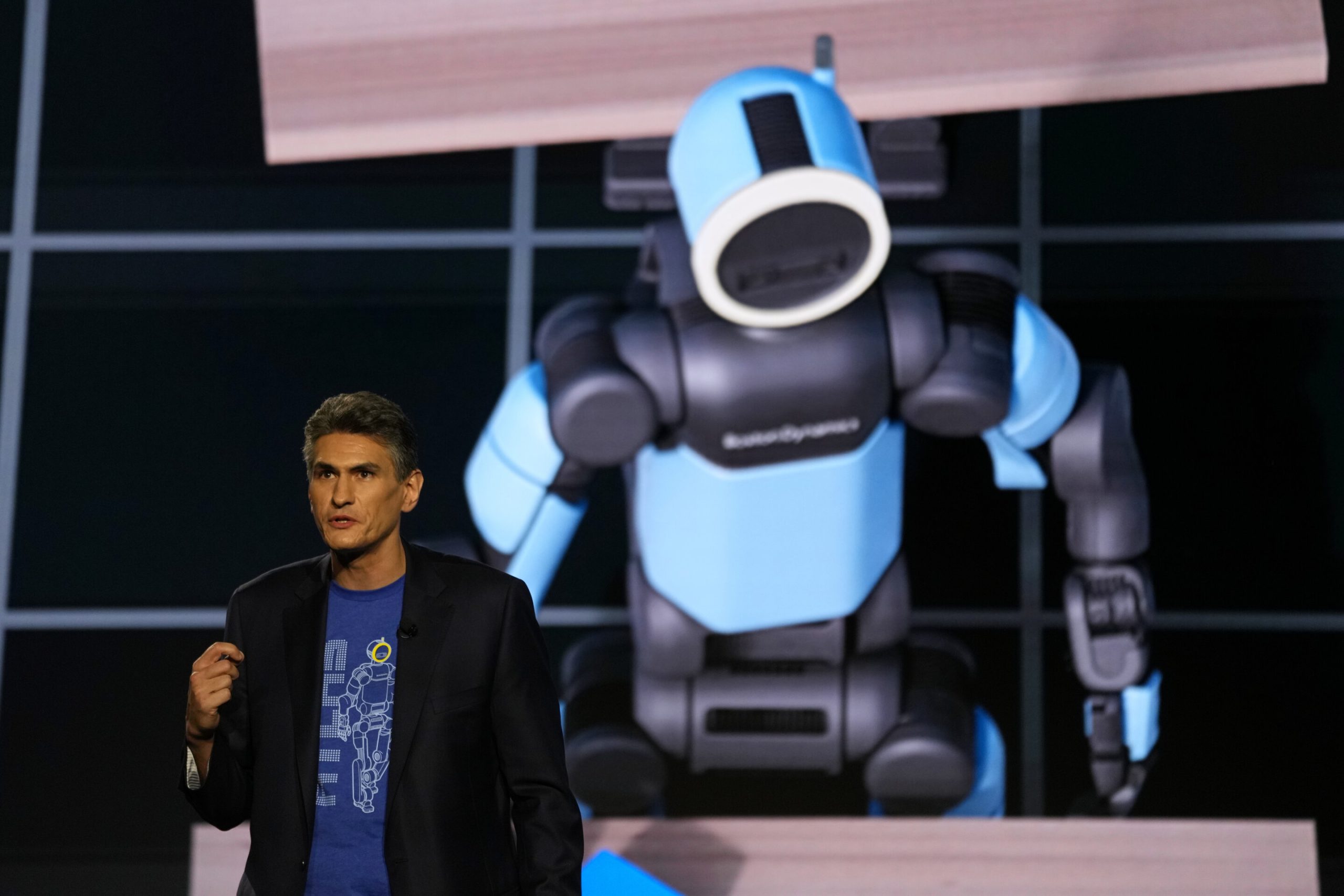
At CES 2026, Hyundai Motor Group unveiled its Atlas humanoid robots, signaling a major push toward automation and the future of factory work.
“Helping Humans” — Or Replacing Them?
Hyundai executives emphasize that Atlas will complement human workers by taking on strenuous, repetitive, or hazardous jobs, thereby reducing injury rates and allowing employees to focus on more skilled oversight roles. At the CES event, Vice Chair Jaehoon Chang addressed concerns directly, noting that humans remain essential for training and managing these systems, which could lead to safer workplaces overall.
However, past automation trends paint a different picture, where initial promises of support often resulted in workforce reductions as machines proved more cost-effective in the long run. With humanoid robots like Atlas imitating human capabilities so closely, the line between assistance and outright substitution blurs, raising valid worries among labor groups about potential job losses in manufacturing sectors.
Why Hyundai Is Moving Fast
Facing global competition and economic pressures, Hyundai is accelerating its robotics strategy as part of a broader push to enhance efficiency and localize production. In 2025, the company committed over $20 billion to U.S. investments, covering expanded vehicle assembly, battery production, AI advancements, and autonomous technologies, with robots playing a central role in this vision.
Unlike human employees, these machines operate without breaks, health issues, or labor disputes, offering a reliable solution amid supply chain challenges. The timing aligns with recent events at Hyundai's Georgia battery plant, operated in partnership with LG, where an immigration raid in September 2025 detained nearly 500 foreign workers, highlighting vulnerabilities in relying on international labor and underscoring the appeal of automated alternatives.
Are We Watching the First Domino Fall?
Hyundai's ambitious rollout signals a broader industry shift, as competitors scramble to adopt similar technologies to stay ahead in the automotive space. Tesla continues developing its Optimus robot for various applications, while Amazon has begun testing humanoid models in its warehouses to streamline logistics operations.
Chinese automaker BYD, along with European firms, is investing heavily in robotic assembly lines to cut costs and improve output. What distinguishes Hyundai's approach is its scale and timeline, moving beyond pilots to a comprehensive integration plan that could inspire widespread adoption if successful, potentially transforming how cars are built globally in the coming years.
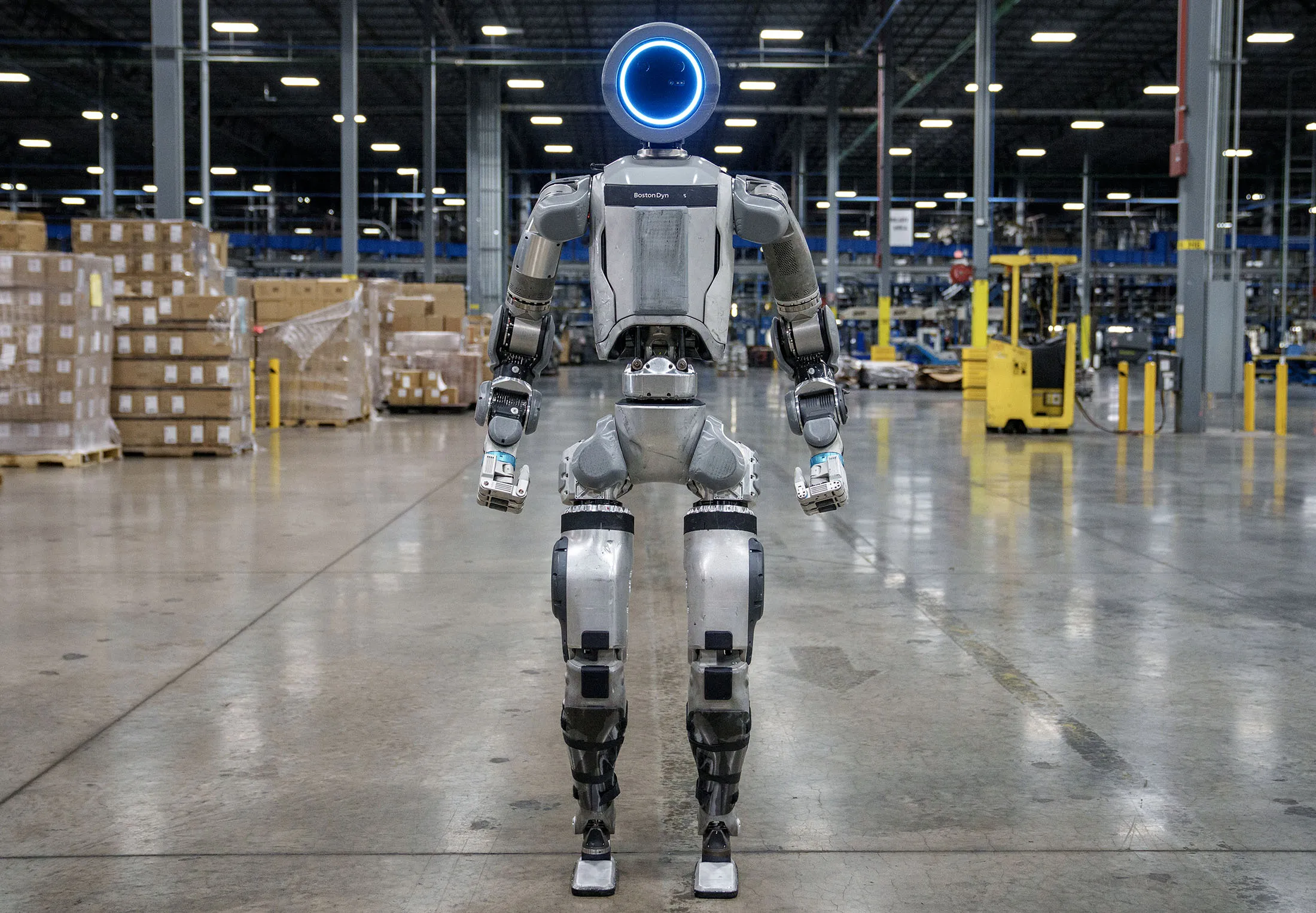
Hyundai’s Atlas humanoid robot works on the factory floor, demonstrating how human-like robots may assist or replace workers in manufacturing by 2028.
What This Means for the Human Race
The rise of humanoid robots extends beyond factory floors, challenging traditional notions of work and economic structures in profound ways. Proponents highlight benefits such as liberating people from dangerous tasks, enabling shorter workweeks, and driving economic growth through heightened productivity. On the flip side, skeptics point to risks like widespread unemployment, exacerbated income gaps, and the erosion of vocational skills that define personal identity. As these robots assume roles once reserved for humans, societies must grapple with redefining value in a world where physical labor becomes increasingly mechanized, prompting calls for policies that support workforce transitions.
The Uneasy Future Ahead
With Atlas set for gradual implementation from 2028, stakeholders have a window to prepare, though technological advancements often outpace societal adjustments. Hyundai positions this as the next chapter in manufacturing innovation, yet the economic incentives for full automation grow stronger as robots become more affordable and versatile. For workers and policymakers alike, the focus shifts to adaptation strategies, including retraining programs and ethical guidelines, to mitigate disruptions while harnessing the potential upsides.
Digging Deeper: Your Burning Questions on Hyundai's Robot Push
How does Hyundai's Atlas robot differ from traditional industrial robots?
Traditional industrial robots, often stationary arms bolted to factory floors, excel at repetitive tasks in controlled environments but lack the mobility to navigate dynamic spaces. In contrast, Atlas from Boston Dynamics features a humanoid design with legs for walking, advanced sensors for obstacle avoidance, and AI-driven adaptability that allows it to handle unstructured settings, much like a person would.
This flexibility enables deployment in existing human-centric facilities without major redesigns, potentially expanding automation to areas like construction or logistics. Early tests at Hyundai sites show Atlas lifting up to 25 kilograms while maintaining balance, a capability that could reduce setup costs by 30 percent compared to older models, according to industry reports.
What jobs are most at risk from humanoid robots in manufacturing?
Assembly line positions involving heavy lifting, repetitive motions, or exposure to hazards stand out as prime candidates for replacement by humanoid robots like Atlas. Roles such as parts installation, welding assistance, and material handling, which demand physical endurance but limited decision-making, could see significant automation, especially in automotive plants where efficiency gains are critical.
Studies from the World Economic Forum suggest that by 2030, up to 85 million jobs worldwide might shift due to such technologies, though new opportunities in robot maintenance and programming could emerge. In Hyundai's case, this might affect entry-level workers first, prompting unions to advocate for reskilling initiatives to protect vulnerable employees.
How are other car manufacturers responding to Hyundai's robot plans?
Rivals like Ford and General Motors are ramping up their own robotics investments, partnering with firms such as Figure AI to develop humanoids for quality control and inventory management. Meanwhile, Volkswagen explores collaborative robots in its European factories to enhance precision in electric vehicle production.
These responses aim to match Hyundai's efficiency edge, with industry analysts predicting a 40 percent increase in humanoid robot adoption across auto manufacturing by 2030. Tesla's Optimus, already in limited trials, focuses on versatility for home and factory use, while startups like 1X Technologies secure funding to challenge established players, fostering a competitive landscape that accelerates innovation but intensifies pressure on labor markets.