Americans are facing a renewed financial squeeze after inflation accelerated to its highest level in three years, while spending power continued to weaken and hopes for lower interest rates faded.
The combination is putting fresh strain on household budgets and raising concerns that rising costs are becoming more deeply embedded across the economy.
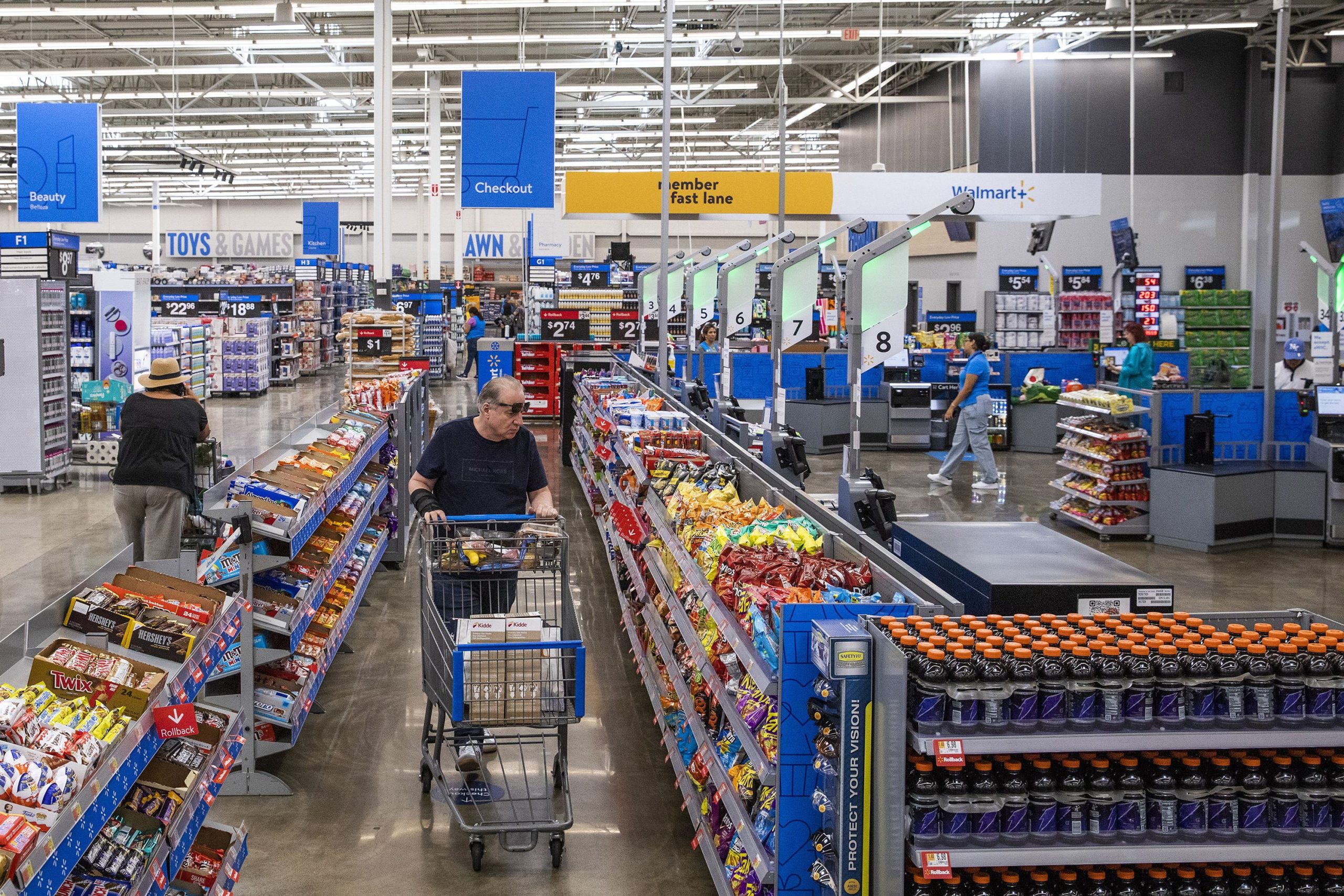
The Commerce Department reported that inflation rose 3.8% in April from a year earlier, up from 3.5% in March and the highest reading since May 2023. Prices increased across a broad range of categories including gasoline, groceries, clothing and electricity, suggesting that rising costs are no longer confined to a handful of sectors.
For many households, the challenge extends beyond rising prices. Inflation-adjusted incomes declined for a third consecutive month, meaning purchasing power is slipping even when paychecks remain unchanged. Families already dealing with higher fuel, food and utility bills are finding that more of their monthly income is being absorbed by essentials, leaving less room for discretionary spending.
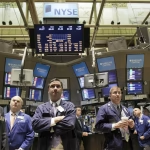
Policymakers now face a more difficult balancing act. Inflation remains well above the Federal Reserve’s 2% target, reducing the likelihood of interest-rate cuts this year. Some officials have even suggested that the next major policy move could be a rate increase if inflation continues proving more persistent than expected. That matters well beyond financial markets.
If interest rates remain elevated for longer, borrowing costs for mortgages, credit cards, auto loans and business financing are likely to stay expensive, forcing households and companies to make tougher financial decisions for longer than many had expected.
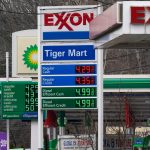
Fuel prices remain a major problem, but they are no longer the only one. National gasoline prices surged following disruptions linked to the Iran conflict, yet the latest data suggest higher costs are spreading into other areas of daily life. Consumers are also paying more for groceries, clothing and services such as vehicle repairs, dental care and veterinary visits.
The economy is still growing, with U.S. GDP expanding at a 1.6% annual rate during the first quarter. Yet much of that momentum is coming from investment in artificial intelligence infrastructure rather than broad-based consumer demand. Consumer spending growth slowed during the quarter even as businesses continued pouring money into AI-related projects.
Consumer spending still drives most of the U.S. economy. When households start holding back on purchases, businesses notice. Hiring plans, expansion projects and investment decisions often become more cautious when shoppers stop spending as freely.
The latest figures suggest inflation is becoming more entrenched even as consumers show signs of fatigue. The economy continues to grow, but for many households the monthly maths is becoming harder. Prices are rising faster than incomes, borrowing remains expensive and the prospect of lower interest rates appears further away than it did only a few months ago.