The number of Americans filing for unemployment benefits rose again last week as the Iran war pushed fuel prices sharply higher, adding fresh strain to an already slowing U.S. economy.
The Labor Department said new jobless claims climbed to 215,000 for the week ending May 23, up from 210,000 the previous week. Layoffs still remain relatively low by historical standards, but the latest increase arrives as businesses and households face rapidly rising energy bills, weaker hiring momentum, and a far more uncertain outlook than earlier this year.
The labor market has not cracked. But it is no longer giving the same sense of stability that carried the economy through much of the post-pandemic recovery.
Many employers are still avoiding major layoffs, yet they are also becoming noticeably more hesitant about expanding payrolls. Last year, the United States added fewer than 10,000 jobs a month on average outside recession periods, marking one of the weakest hiring environments in decades. Hiring has improved slightly in 2026, though it remains well below the explosive rebound seen after COVID-era shutdowns.
The impact is now spreading well beyond the labor market.
The Iran war has severely disrupted the global oil market after Iran moved to close the Strait of Hormuz following U.S. and Israeli strikes. The route handles roughly a fifth of the world’s oil supply, and the disruption has already triggered a sharp rise in fuel prices across the United States.
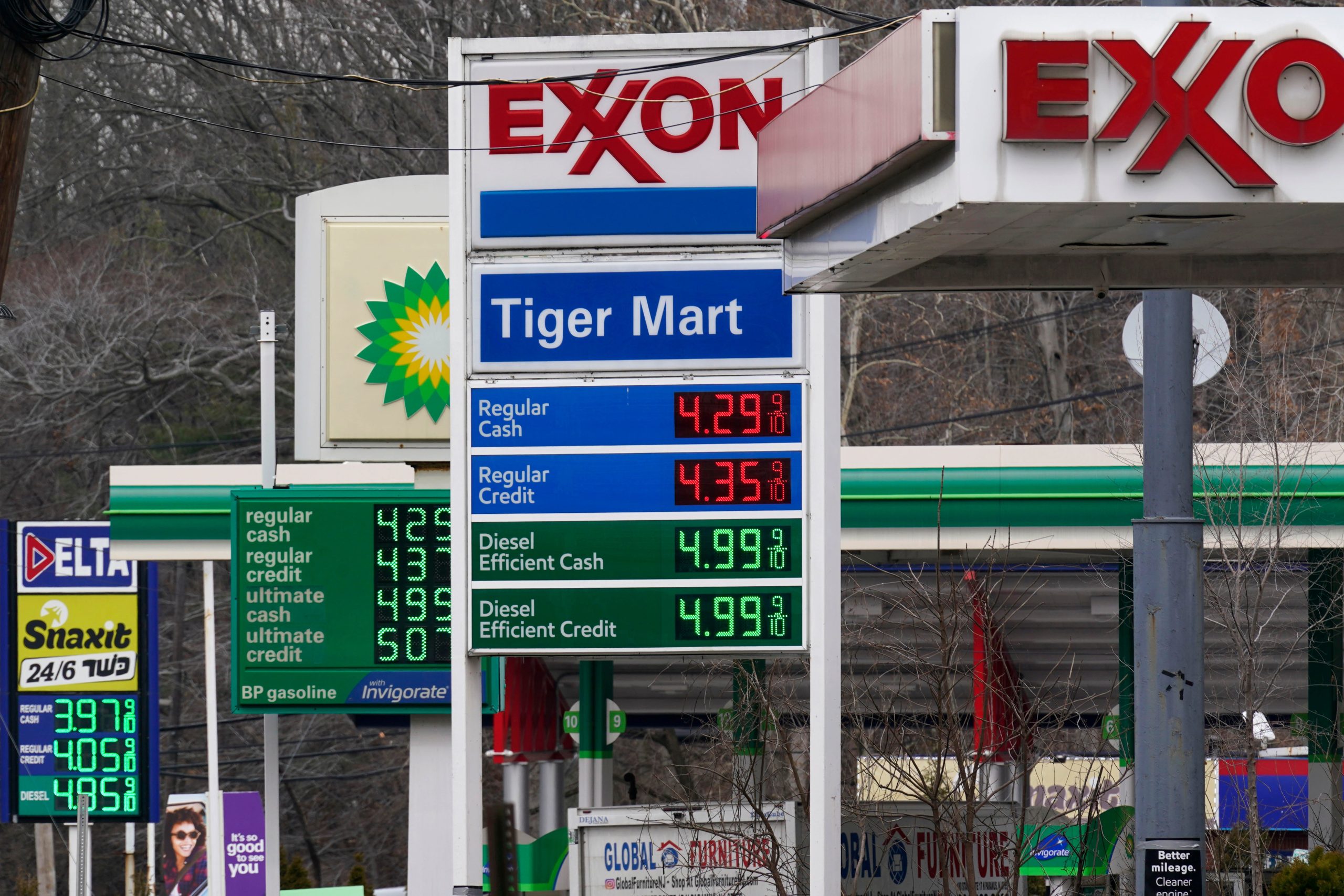
According to AAA data cited in the report, average gasoline prices have surged to $4.43 per gallon from $2.98 before the conflict began. That kind of increase moves quickly through everyday life. Shipping becomes more expensive. Airlines and transport companies face rising fuel bills. Retailers and manufacturers are forced to absorb higher distribution costs or pass them on to customers.
Households are also starting to feel more of their paycheck disappear into fuel, groceries, and monthly bills, leaving less room for travel, entertainment, and discretionary spending heading into the summer months.
Another warning sign is beginning to emerge beneath the surface. The total number of Americans collecting unemployment benefits rose to 1.79 million, suggesting that workers who lose jobs may be taking longer to secure new positions in a slower and more defensive hiring market.
Economists noted that weekly claims remain relatively low compared with previous downturns. Carl Weinberg, chief economist at High Frequency Economics, described the latest increase as modest relative to the size of the U.S. workforce.
But the economy now looks far less insulated from external shocks than it did earlier this year.
Airlines, logistics firms, manufacturers, retailers, and other fuel-dependent sectors are all facing higher operating expenses at a time when consumer spending is already becoming more uneven. Investors have also become increasingly uneasy about how long elevated energy prices could persist if tensions in the Middle East continue escalating.
The unemployment rate remains relatively low at 4.3%, helped partly by slower labor force growth tied to immigration restrictions and ongoing Baby Boomer retirements. Still, the mood surrounding the economy has shifted as businesses and consumers adjust to the reality of higher fuel costs filtering deeper into daily life.
For businesses and households alike, the summer is starting with higher fuel bills, weaker hiring momentum, and growing uncertainty over how much further costs could rise.