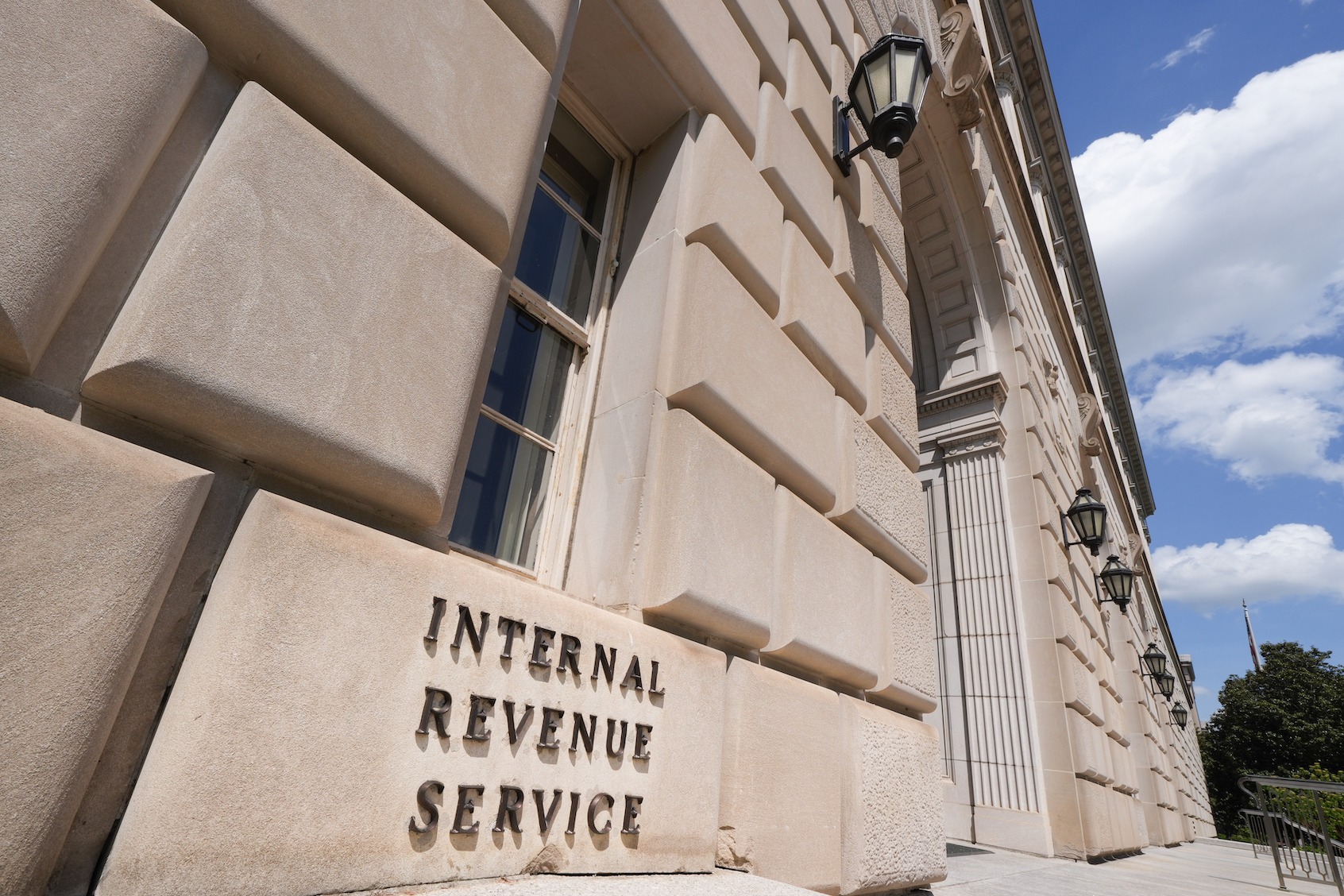
Millions of immigrant workers could soon face a new layer of uncertainty during tax season after the IRS began debating whether taxpayers should disclose citizenship status on federal tax forms.
According to Reuters, officials are considering a version of next year’s Form 1040 that would ask people to identify themselves as non-U.S. citizens or dual citizens. The discussion comes as the Trump administration continues pushing federal agencies to work more closely with immigration authorities, adding fresh tension around privacy, tax records and government tracking.
Filing taxes has long been part of trying to build a stable life in the United States, even for people without legal immigration status. Millions of immigrants file returns every year because those records can help support residency applications, credit checks, mortgage requests and future legal claims.
Now some immigration advisers worry families may simply stop filing altogether.
That possibility is creating unease well beyond immigration politics. Tax returns are often needed for everything from renting an apartment to qualifying for a small business loan. For households already struggling with rent, debt and unstable work, the idea of handing over more personal information to the federal government could start feeling like a risk calculation.
The Trump administration spent much of 2025 trying to strengthen coordination between immigration enforcement agencies and other parts of government. Reuters reported that the Treasury Department and Department of Homeland Security explored ways to share taxpayer information with immigration officials as part of broader deportation efforts.
A federal judge blocked the IRS from releasing confidential taxpayer data to immigration authorities last November, although the administration has appealed that ruling. Earlier this year, the IRS admitted in court that it had mistakenly shared information belonging to more than 42,000 taxpayers with DHS.
That mistake rattled trust in the system. For some families, routine tax paperwork may no longer feel routine at all. Some workers could decide it is safer to avoid creating official financial records entirely, especially if they believe tax filings might eventually be tied more directly to immigration enforcement.
The economic effects would not stop there. Industries including agriculture, hospitality, construction and food services rely heavily on immigrant labor. Many businesses are already dealing with labor shortages, rising wage costs and weaker consumer spending. If more workers retreat from formal payroll systems or tax reporting, employers could face even more instability at a difficult moment for the economy.
The timing could hardly feel worse for lower-income households already stretched by inflation, housing costs and weaker job security. In many immigrant communities, financial survival often depends on maintaining clean records, stable income histories and access to credit.
If trust in the tax system continues to weaken, some families may decide the safest option is staying further out of sight financially, even if it limits their ability to borrow money, rent homes or build long-term security in the future.