
On New Year’s Day 2026, a routine traffic stop in rural northeastern Pennsylvania reignited one of baseball’s most infamous sagas. Inside a 2015 GMC Sierra was Lenny Dykstra, a former World Series champion whose name once dominated box scores and highlight reels. State police said narcotics and drug paraphernalia were discovered during the stop, with charges expected. Dykstra’s attorney stated that the substances were not his and confirmed he was a passenger in the vehicle.
The legal process will play out in the weeks ahead, but the impact was immediate. Another arrest linked to a man whose post-baseball life has been defined by financial collapse, criminal convictions, and repeated attempts at reinvention. For many former athletes, an incident like this would feel shocking. For Dykstra, it felt like a continuation of a long and unresolved downward spiral.
Once one of Major League Baseball’s most relentless competitors, Dykstra’s story remains one of the most dramatic cautionary tales in modern sports. It is not simply about fame lost, but about how success, unchecked impulses, and financial overreach collided in full public view.
From Long Shot Draft Pick to World Series Icon
Lenny Dykstra’s rise was built on defiance rather than natural stardom. Drafted in the 13th round by the New York Mets in 1981, he entered professional baseball without elite power or a traditional star profile. What separated him was intensity. Teammates and opponents alike learned quickly that Dykstra never conceded an at-bat.
That approach made him indispensable to the volatile 1986 Mets. His defining moment arrived during Game 3 of the National League Championship Series, when he hit a dramatic walk-off home run that shifted the series. Weeks later, the Mets won the World Series, and Dykstra was permanently woven into baseball history.
Nicknamed “Nails,” he earned a reputation for fouling off pitches, playing through injuries, and exhausting opposing pitchers. His value was rooted in pressure, persistence, and psychological warfare rather than raw athleticism.

Lenny Dykstra in a recent image, displaying the charisma and presence that have kept him in the public eye long after his baseball career.
Philadelphia Years and the Peak of His Career
A trade to the Philadelphia Phillies in 1989 unlocked the most productive stretch of Dykstra’s career. In a city that embraced toughness and confrontation, he became a perfect fit. As a leadoff hitter, he transformed into one of baseball’s most effective on-base threats.
In 1993, Dykstra finished second in National League MVP voting and helped carry the Phillies to the World Series. Over a 12-year MLB career, he earned approximately $36 million in salary, which equates to roughly $65 million today when adjusted for inflation.
For most players, that level of earnings ensures long-term security. For Dykstra, it became the foundation for a much riskier second act.
Reinventing Himself as a Financial Power Player
After retiring in the mid-1990s, Dykstra refused a quiet exit. He invested aggressively in car wash and quick-lube franchises across Southern California, a move that initially proved successful. At their peak, the businesses generated enough revenue to pay him an estimated $1 million per year in personal income.
In 2007, he sold the operation for $51 million and entered a new phase of wealth. He purchased an $18 million mansion in Sherwood Country Club previously owned by Wayne and Janet Gretzky, began flying exclusively on private jets, and accumulated luxury vehicles.
His business success drew national attention. CNBC personality Jim Cramer gave Dykstra a stock-picking column at TheStreet.com, while investors paid nearly $1,000 per year for his advice. He later launched The Players Club magazine, targeting wealthy professional athletes seeking financial guidance. By 2009, Dykstra publicly claimed his net worth was just under $60 million.

Lenny Dykstra in a dynamic split image, contrasting his fierce on-field intensity with his charismatic off-field smile.
Bankruptcy, Criminal Charges, and Total Financial Collapse
The unraveling was swift. Spending escalated rapidly, businesses failed, and debts piled up. In July 2009, Dykstra filed for Chapter 11 bankruptcy, claiming less than $50,000 in assets and between $30 million and $50 million in liabilities.
Court filings painted a grim picture. Prosecutors later alleged Dykstra lied under oath, concealed assets, and sold property belonging to the bankruptcy estate. More than $400,000 worth of items were reportedly removed from the Sherwood mansion, including a $50,000 sink taken after bankruptcy protections were already in place.
The mansion went into foreclosure, and by late 2009, Dykstra was living out of his car. He sold his 1986 World Series ring and other memorabilia to a Beverly Hills pawn shop. In 2018, the Gretzkys repurchased the home for $13.5 million, a striking contrast to the wealth once displayed there.
Criminal convictions followed, including prison time, cementing his reputation as one of sports’ most extreme financial cautionary tales.
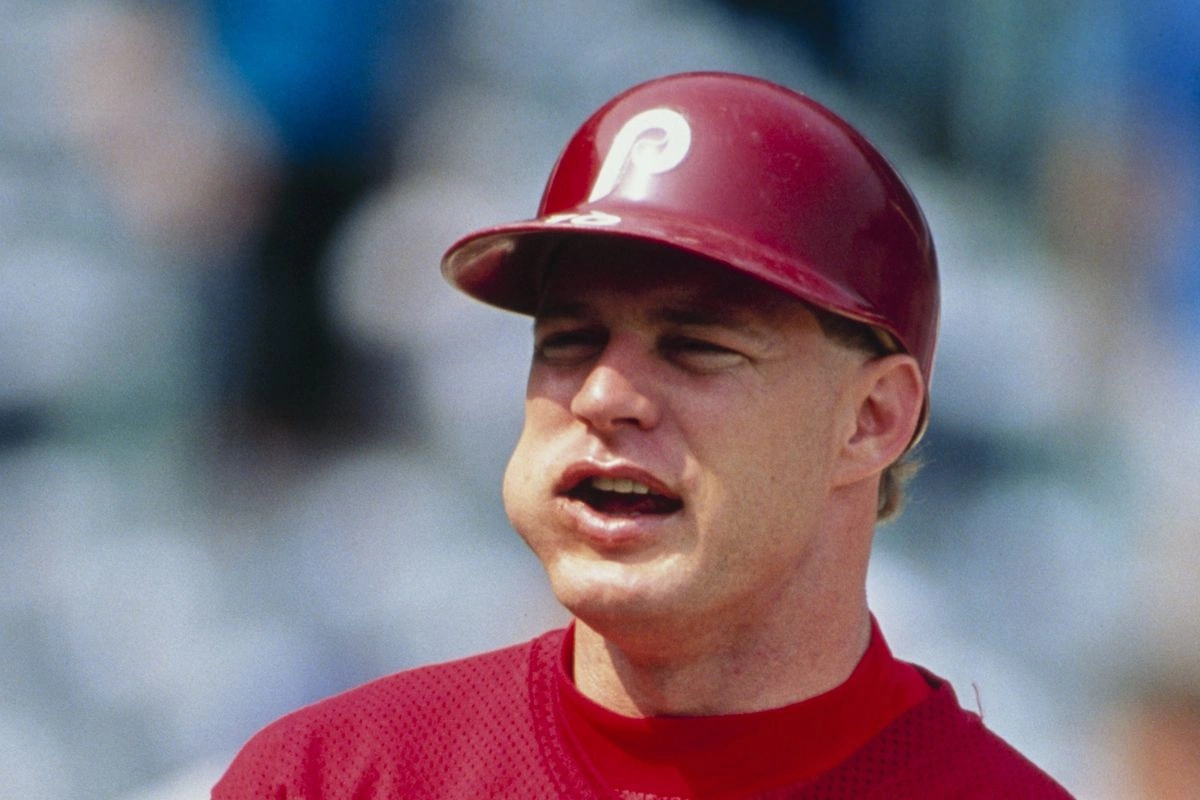
Lenny Dykstra on the field in his team jersey, capturing the energy and determination that defined his playing career.
Health Scares, Legal Damage, and the Latest Arrest
In 2020, a New York judge dismissed Dykstra’s defamation lawsuit against former teammate Ron Darling, ruling he was legally “libel-proof” due to his extensive history of fraud convictions and public misconduct.
In February 2024, Dykstra suffered a major stroke that left him briefly comatose and permanently impaired. He later acknowledged lingering physical effects and relocated to Pennsylvania in search of stability.
The 2026 traffic stop shattered any illusion of calm. Before the incident, Dykstra had publicly referenced a multiyear stretch without arrests. Whether that streak survives legally is for courts to decide, but the symbolism was unmistakable. His story remains unfinished, and the consequences continue to follow.
Why Lenny Dykstra’s Story Still Resonates
Lenny Dykstra’s life is not defined by one mistake or one bad decision. It is the story of extraordinary competitive traits that never switched off, even when the environment that rewarded them disappeared. The same fearlessness that made him a World Series hero ultimately fueled financial recklessness and personal chaos.
For fans, his story endures because it captures both the heights of professional sports and the dangers of losing structure, accountability, and restraint once the spotlight fades.
Inside the Questions Fans Still Ask About Lenny Dykstra
What caused Lenny Dykstra to lose his fortune?
Dykstra lost his wealth through reckless spending, failed business ventures, and criminal behavior during bankruptcy proceedings. Despite selling businesses for more than $50 million, court records show mounting debts, asset concealment, and financial mismanagement erased nearly all of his earnings.
Why did a judge rule Lenny Dykstra was “libel-proof”?
A New York Supreme Court judge ruled in 2020 that Dykstra’s reputation was already so damaged by fraud convictions, drug issues, and public controversies that defamation claims could not realistically cause further harm, a rare and severe legal designation.
What is Lenny Dykstra doing now in 2026?
As of 2026, Dykstra lives in Pennsylvania following a major stroke in 2024. Despite attempts at a quieter life, ongoing legal issues and arrests indicate his struggles continue, keeping his name in headlines decades after his baseball career ended.