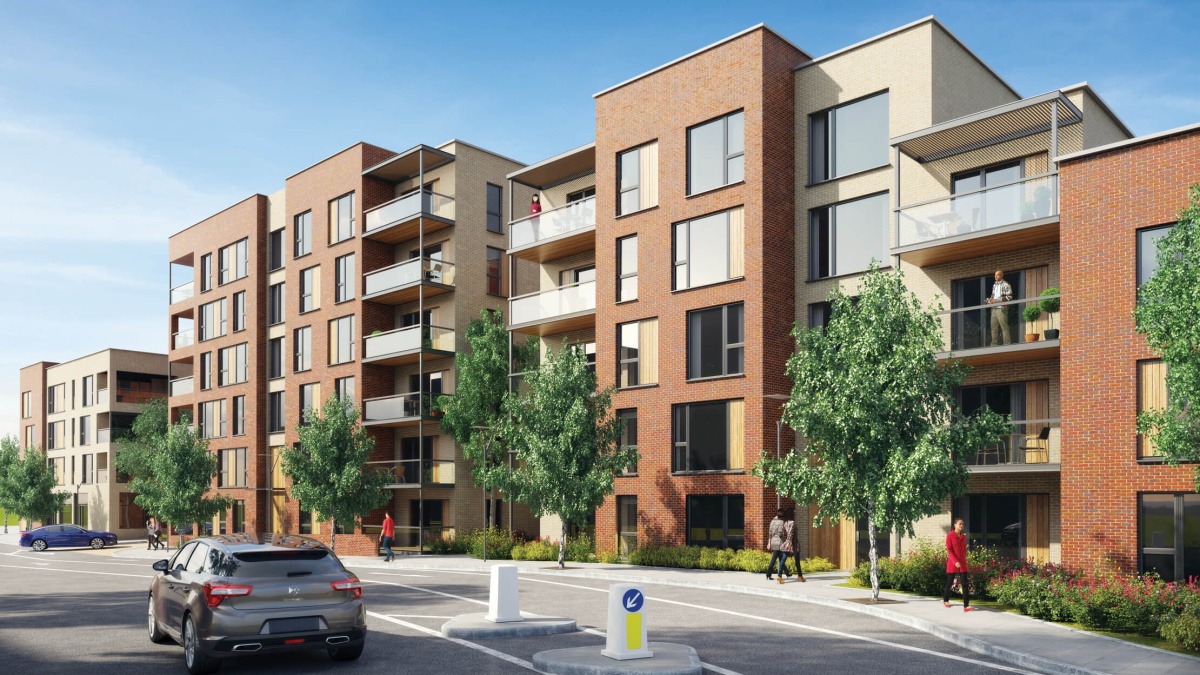
More than 22,000 newly built homes in London are sitting without buyers as rising costs, heavier taxes and affordability strains squeeze demand, adding fresh signs that one of Britain's most important housing markets is becoming harder to sustain. Housing construction, investment activity and homeownership are all showing signs of stress as buyers grow more cautious and developers pull back.
New figures from property agent JLL show that more than 22,000 new homes in London are currently without buyers. Around 3,600 have already been completed and remain unsold, while a further 18,737 homes under construction have yet to secure purchasers. At the same time, the capital is facing an estimated 29 months of unsold housing supply, up from 19 months in 2021 and just seven months in 2013.
The figures suggest buyers are no longer keeping pace with the number of homes reaching the market. Developers have traditionally relied on purchasers committing to properties before construction is finished, but that appetite has weakened as household budgets become increasingly stretched and buyers grow more selective.
Central London is where the imbalance becomes most obvious. According to JLL, some inner boroughs now hold years' worth of supply. Kensington and Chelsea has more than a decade's worth of stock either completed or under construction, while Camden has around six and a half years of supply waiting to be absorbed by the market.
Behind the slowdown is a combination of rising ownership costs. JLL says service charges on new developments have increased substantially over the past five years, while the average service charge for a London flat now stands at £3,878 annually. New homes also carry a significant price premium, costing around 26% more per square foot than existing properties.
For many buyers, the numbers no longer add up. Higher service charges, larger tax bills and elevated borrowing costs are causing more households to delay purchases, reconsider where they live or turn their attention to older and cheaper housing stock. The end of the Help to Buy scheme has added another hurdle, removing a source of support that helped thousands of buyers enter the market.
Landlords are stepping back too. Higher taxes, additional stamp duty costs and changing regulations have made many investors think twice about expanding their portfolios, while overseas buyers who once played a major role in London's new-build market have become far less active.
The slowdown is already feeding back into construction activity. New housing starts across London fell to 6,325 in the year to March 2026, far below levels seen a decade ago. Developers are increasingly scaling back projects as buyer appetite struggles to keep pace with costs. Fewer projects also mean less work flowing through contractors, suppliers and construction firms, extending the impact well beyond the housing sector itself.
Prices are moving lower too. Separate figures from Knight Frank show average prices in prime central London fell 3.6% over the past year and remain more than 22% below their 2015 peak. Meanwhile, the number of prospective buyers has fallen while listings continue to rise, adding further weakness to pricing.
The growing stockpile of unsold homes is also raising questions about how quickly developers will commit capital to future projects if buyer demand remains weak. London still faces long-term housing challenges, yet the market is increasingly struggling to connect available homes with buyers willing or able to meet today's costs.
As more developments struggle to find buyers and fewer projects move forward, London's housing market is beginning to look less constrained by supply and more constrained by what people can actually afford. That shift is becoming increasingly visible across the capital, from construction sites and sales offices to households weighing whether ownership remains within reach.