

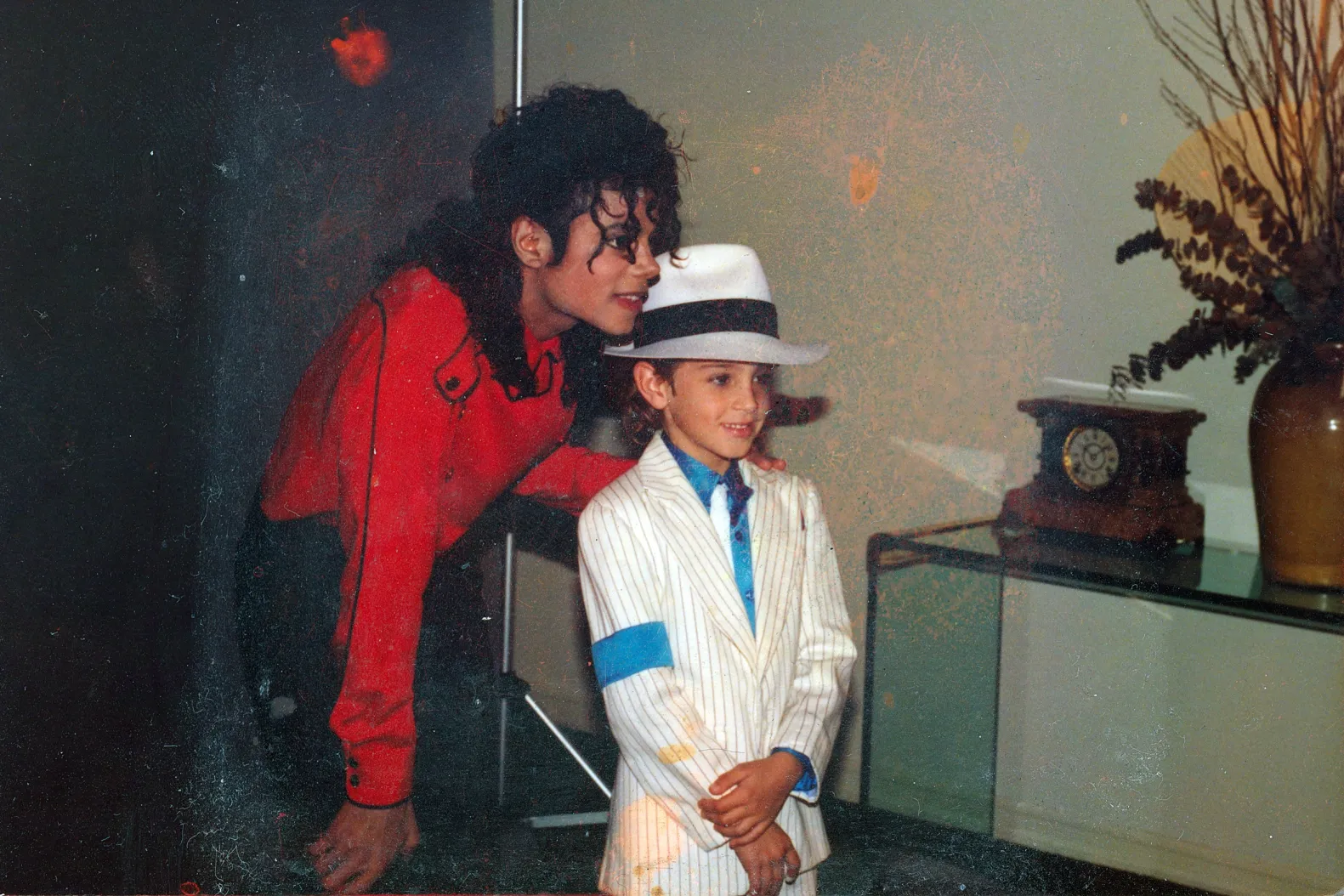
Never-before-heard recordings of Michael Jackson claiming he would “rather kill myself than never see a child again” are set to air tonight in Channel 4’s The Trial, placing the singer’s estate under intense public scrutiny before the documentary even begins.
The audio reportedly exposes decades of unsupervised access to children, including the Cascio family siblings, raising urgent questions about who failed to intervene. Jackson was formally charged with several crimes related to children during his 2005 criminal trial, but he was acquitted of all charges. While he faced multiple investigations over two decades, the 2005 trial was the only time he was prosecuted in a criminal court.
The impending broadcast has already drawn attention from legal analysts and media outlets, signaling that Jackson’s legacy and estate will face immediate pressure once the series premieres. These chilling confessions promise to transform longstanding allegations into a focal point of public and institutional concern, even as Jackson’s acquittal remains part of the public record.
How Jackson Gained Unsupervised Access to Children
Jackson’s decades-long access to children was facilitated by a web of personal relationships, family friendships, and a lack of oversight at Neverland and other locations. The Cascio family, for example, welcomed Jackson into their home starting in the 1980s, with children often staying at Neverland for unsupervised visits.
Institutional safeguards were minimal: no clear regulatory, legal, or child protection mechanisms intervened, and internal checks within the estate appear to have been absent or insufficient. Public figures, managers, and advisors often prioritized personal loyalty or PR protection over rigorous oversight. This structural vacuum allowed patterns of behavior to persist without challenge, leaving children vulnerable and the estate exposed to future legal and reputational consequences.
Jackson’s legal history adds context: in 1993, he was investigated for alleged sexual abuse of a 13-year-old boy but faced no criminal charges after the primary witness refused to testify. He settled a related civil lawsuit for an estimated $23 million, which his legal team stated was not an admission of guilt.
Then, in the 2005 criminal trial (People v. Jackson), he was indicted on 10 felony counts, including lewd acts upon a child, administering an intoxicating agent to facilitate a felony, attempted lewd acts, and conspiracy involving child abduction, false imprisonment, and extortion. On June 13, 2005, a jury in Santa Maria, California, found him not guilty on all counts.
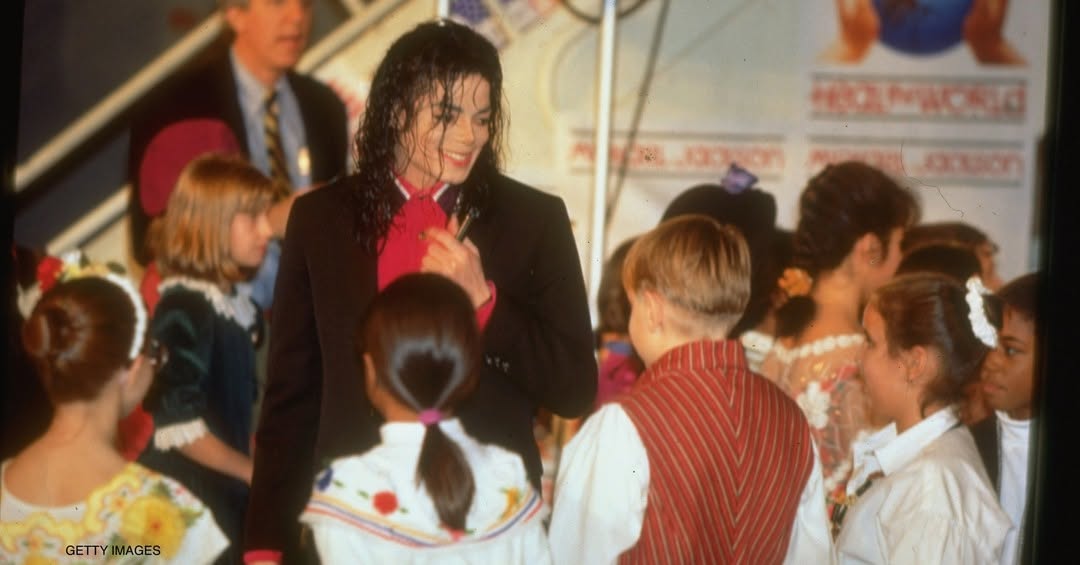
Michael Jackson with children gathered around him, highlighting the close relationships that fueled decades of public fascination and scrutiny.
Why the Recordings Spark Immediate Concern
The release of these recordings transforms what was once private, disputed testimony into an imminent public reckoning. Once aired, the series will likely intensify public scrutiny, spark renewed legal investigations, and amplify calls for accountability. Though Jackson was never convicted, the recordings highlight behavior that, while unproven in court, raises serious questions about oversight and estate governance.
The risk extends beyond the estate: it highlights systemic gaps in how high-profile figures interact with minors, showing that celebrity influence can circumvent traditional protective measures. Public and institutional confidence is at stake, and the unfolding situation underscores that these exposures are not confined to one family or one location — they reveal broader vulnerabilities.
Who Was Responsible — And Who Wasn’t
Responsibility remains fragmented. Jackson himself is deceased, the estate manages his legacy, and previous settlements obscure full disclosure. Regulatory oversight was limited or reactive, and advisors, family members, and managers who could have intervened remain ambiguously accountable.
Legal protections and internal estate governance did not prevent decades of alleged risk exposure, leaving a gap between those with power to act and those now facing scrutiny. The question of who could have stopped potential harm — and why they did not — remains unresolved, particularly in light of past criminal and civil investigations.
Celebrity Influence vs Child Protection
The case exposes tensions between celebrity autonomy and child safety, as well as between legal settlements and public accountability. Should personal relationships and fame shield individuals from scrutiny, or should stricter oversight have been enforced? The estate faces a dilemma: protecting Jackson’s legacy while managing the consequences of new revelations.
This tension also raises questions about the limits of institutional responsibility, the role of public trust, and the potential for preventative oversight in high-profile settings. Even without criminal convictions, the combination of decades of access and the upcoming broadcast forces a reckoning over how celebrity and power intersect with child protection.

Paris Jackson and Michael Jackson, illustrating the family’s battle over $464 million in estate assets and allegations of mismanagement by the co-executors.
Immediate Scrutiny and Legal Pressure
Tonight’s broadcast marks the first step in an ongoing trajectory of heightened oversight. Media analysis, public attention, and legal teams are likely to converge rapidly, tightening estate behavior and communications. Pending lawsuits, including the £160 million claim from the Cascio siblings, may gain momentum, and similar cases could come under renewed examination.
Investigators, lawyers, and child protection advocates will likely dissect both the recordings and estate practices, generating constraints without clear resolution. Posthumous legal action continues: while no new criminal charges can be filed against Jackson, several civil lawsuits from individuals alleging abuse as children — including Wade Robson and James Safechuck — are progressing, with a 2023 California appeals court decision allowing them to move toward a jury trial. These pressures are immediate and likely to persist.
Eroding Trust and Long-Term Consequences
Once trust erodes, restoring control over public perception and institutional credibility becomes exceedingly difficult. Michael Jackson’s estate faces not just reputational damage but a structural reckoning: decades of decisions that went unchallenged are now exposed to public scrutiny, and the full consequences of past inaction remain unresolved.
How institutions, legal systems, and families respond in the coming weeks may set precedent for accountability in cases where celebrity, power, and potential harm intersect — even when no criminal convictions exist.