
Lord Peter Mandelson, the veteran Labour politician, has stepped down from the party amid mounting scrutiny over his ties to convicted sex offender Jeffrey Epstein. Prime Minister Keir Starmer publicly called for Mandelson to resign from the House of Lords, a move that has thrust the politician’s career, reputation, and finances into the spotlight.
His estimated net worth of £10 million, accumulated through political salaries, consultancy ventures, and book royalties, is now under renewed examination as the fallout continues.
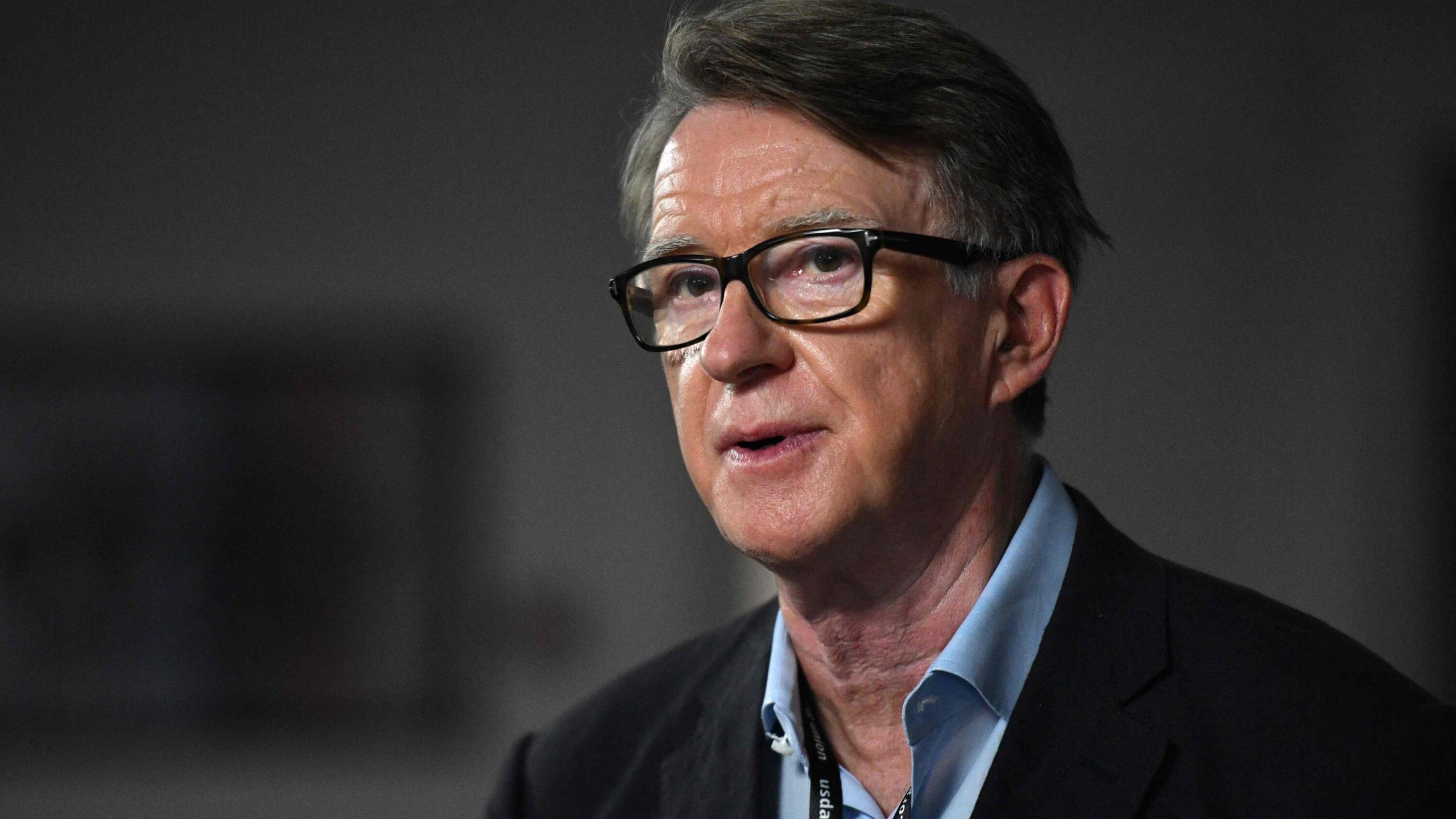
Peter Mandelson appears in a media interview as questions mount over his net worth, consultancy work, and the fallout from renewed Epstein-related scrutiny.
Early Life: London Roots and Formative Years
Peter Benjamin Mandelson was born on October 21, 1953, in Hampstead, London, into a politically connected family. His grandfather, Herbert Morrison, had served as deputy prime minister, instilling in Mandelson an early understanding of public life. Raised in a Jewish household, he attended Hendon County Grammar School before moving on to study philosophy, politics, and economics at St Catherine's College, Oxford.
Those university years saw him immerse himself in student politics, establishing a foundation that would shape his trajectory into national politics. Early involvement in the British Youth Council and Labour campaigns laid the groundwork for both ideological formation and professional networks that sustained him throughout his career.
Career: From Political Operative to Global Adviser
Mandelson’s professional rise began in the 1980s as communications director for Lambeth Borough Council, where he honed his skills in strategy and public messaging. By 1985, he was Labour’s director of communications, revitalizing the party’s image ahead of a national election.
Elected as MP for Hartlepool in 1992, he steadily ascended through cabinet ranks, serving as Secretary of State for Trade and Industry and later as Business Secretary. Between 2004 and 2008, he held the position of European Commissioner for Trade, further broadening his international experience and policy influence.
After leaving government roles, Mandelson transitioned into the private sector, founding the advisory firm Global Counsel. Through consultancy, strategic advisory, and co-authored books like The Third Man, he continued to build a professional portfolio that blended public expertise with private-sector insight.
The 2024 sale of his stake in Global Counsel marked the culmination of decades of political and advisory work, highlighting how a career in government can translate into a wide-reaching influence in the private sector.
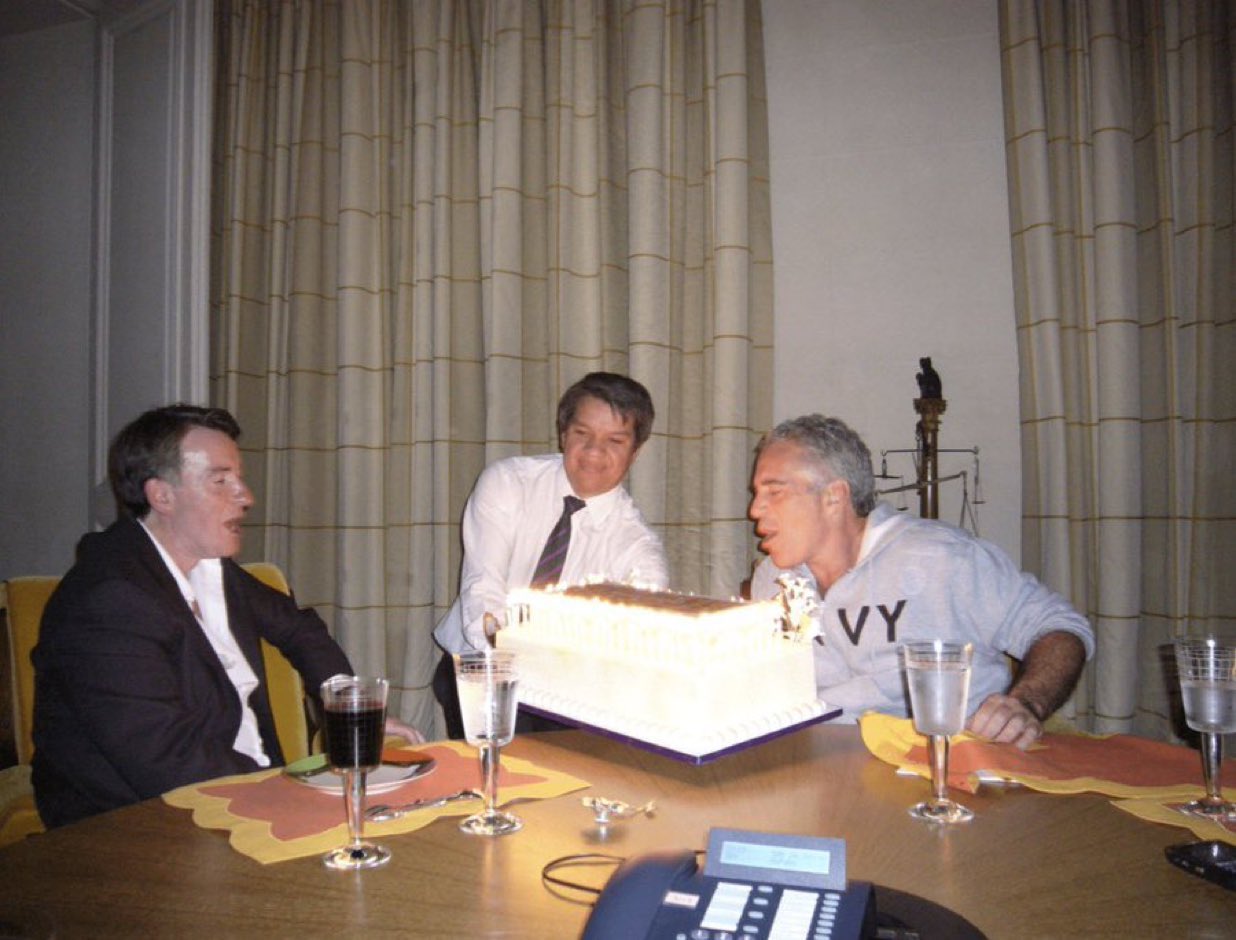
Peter Mandelson and Jeffrey Epstein photographed together at a birthday celebration, an image that resurfaces amid renewed attention on past financial links.
Epstein Ties: Connections Under the Lens
Mandelson’s relationship with Jeffrey Epstein has resurfaced as a central point of controversy. Flight logs reveal multiple private jet trips, including visits to Epstein’s island in 2005. Emails from 2008 indicate Mandelson offering support during Epstein’s imprisonment, even advising on matters related to early release.
Financial documents suggest that Epstein transferred $75,000 to accounts linked to Mandelson in three installments between 2003 and 2004. Additional reports claim Epstein facilitated Mandelson’s pursuit of a Wall Street position paying over $4 million annually. In 2009, Epstein allegedly paid £10,000 to Mandelson’s husband, Reinaldo Avila da Silva.
While Mandelson has expressed regret and denied recalling the payments, the associations prompted his resignation from Labour and the discontinuation of diplomatic posts.
Net Worth: Political Salaries and Advisory Windfalls
Lord Peter Mandelson’s estimated net worth of £10 million combines decades of public service with strategic private-sector ventures, reflecting a career where political roles provided steady income and post-office business opportunities amplified wealth. Cabinet salaries contributed approximately £1.9 million between 1992 and 2010, based on MP base pay starting at around £30,000 in the early 1990s and rising to £65,000 by 2010, plus ministerial supplements of up to £80,000 for senior roles like Business Secretary.
His time as European Commissioner for Trade from 2004 to 2008 added €1 million in total salary, at €250,000 annually, providing a tax-efficient international boost during his mid-career.
The 2024 Global Counsel stake sale alone added £10.5 million for his 35% share in the firm valued at £30 million, marking the largest single windfall from his post-political consultancy work. Additional income from book royalties, such as from "The Third Man" in 2010 which sold over 50,000 copies yielding six-figure advances and ongoing sales, and advisory contracts with firms like Lazard at £100,000+ per year in the 2010s, bolster financial security.
This portfolio reflects a blend of public duty and private-sector strategy, positioning Mandelson among the wealthier figures in British politics, with earnings diversified across salaries, royalties, and business exits.

Peter Mandelson and Labour leader Keir Starmer appear visibly serious as pressure builds over Mandelson’s position and the wider fallout surrounding his past associations.
Lifestyle and Notable Assets: Quiet Comfort in the Cotswolds
A Low-Profile Life After Fame
Since retiring from the public eye in 2014, Jason Orange has embraced a deliberately low-profile lifestyle. He divides his time between his country home in the Cotswolds and occasional visits to Manchester, prioritizing privacy and long-term security over high-visibility pursuits.
This quieter rhythm reflects a conscious move away from celebrity culture, with Orange rarely appearing at public events or engaging in media attention.
Former London Property and Downsizing
Orange previously owned a £2.85 million penthouse in Gatti House on London’s Strand, a two-bedroom duplex apartment spanning 1,600 square feet with panoramic views of the Thames.
The property featured high-end finishes including marble bathrooms and a private terrace. He sold the apartment in 2018 after listing it for that price, signaling a preference for simplifying his holdings and stepping back from city-centered living.
Rural Retreats in the North and the Cotswolds
In addition to his Cotswolds base, Orange owns a property in Keswick in the Lake District. The rural retreat includes its own fishing lake and expansive grounds, offering a secluded environment for rest and family time.
Based on comparable regional sales, the property is valued in the £1 million to £1.5 million range, providing tranquility without the scale or upkeep of larger estates.
His Cotswolds residence, located in an undisclosed village, is defined by comfort and seclusion rather than display. No public details exist regarding its value or features, aligning with his preference for discretion and privacy.
Property Investments and Passive Income
Through Nine The Firs Ltd, a property company co-owned with former footballer Neil Lennon since 2015, Orange manages a portfolio of rental flats in Bowdon, Cheshire.
The holdings include upscale apartments in a converted Victorian building and generate steady rental income from long-term tenants. Company filings show assets exceeding £1 million, with annual returns estimated between £100,000 and £500,000.
This structure allows Orange to maintain passive income streams without active involvement, supplementing residual earnings from his music career.
Transportation, Possessions, and Personal Spending
There is no public evidence of a luxury car collection or high-value vehicle ownership. Reports suggest Orange favors practical, understated models suited to both rural and urban travel, such as standard SUVs or sedans.
He has not been linked to exotic, vintage, or collector vehicles, nor to high-profile purchases exceeding £50,000.
Similarly, there are no known associations with luxury jewelry, watches, or art collections. Orange has not appeared in major auctions, designer endorsements, or public displays of wealth, reinforcing his preference for functionality over excess.
Philanthropy and Personal Priorities
Philanthropy connected to Orange remains private, with no verified public donations or named charitable affiliations. This absence of public record appears consistent with his broader approach to life after fame.
Rather than visibility or legacy-building through public gestures, his resources appear directed toward family, stability, and long-term financial prudence. The overall picture is one of deliberate restraint, with comfort and independence taking precedence over display.
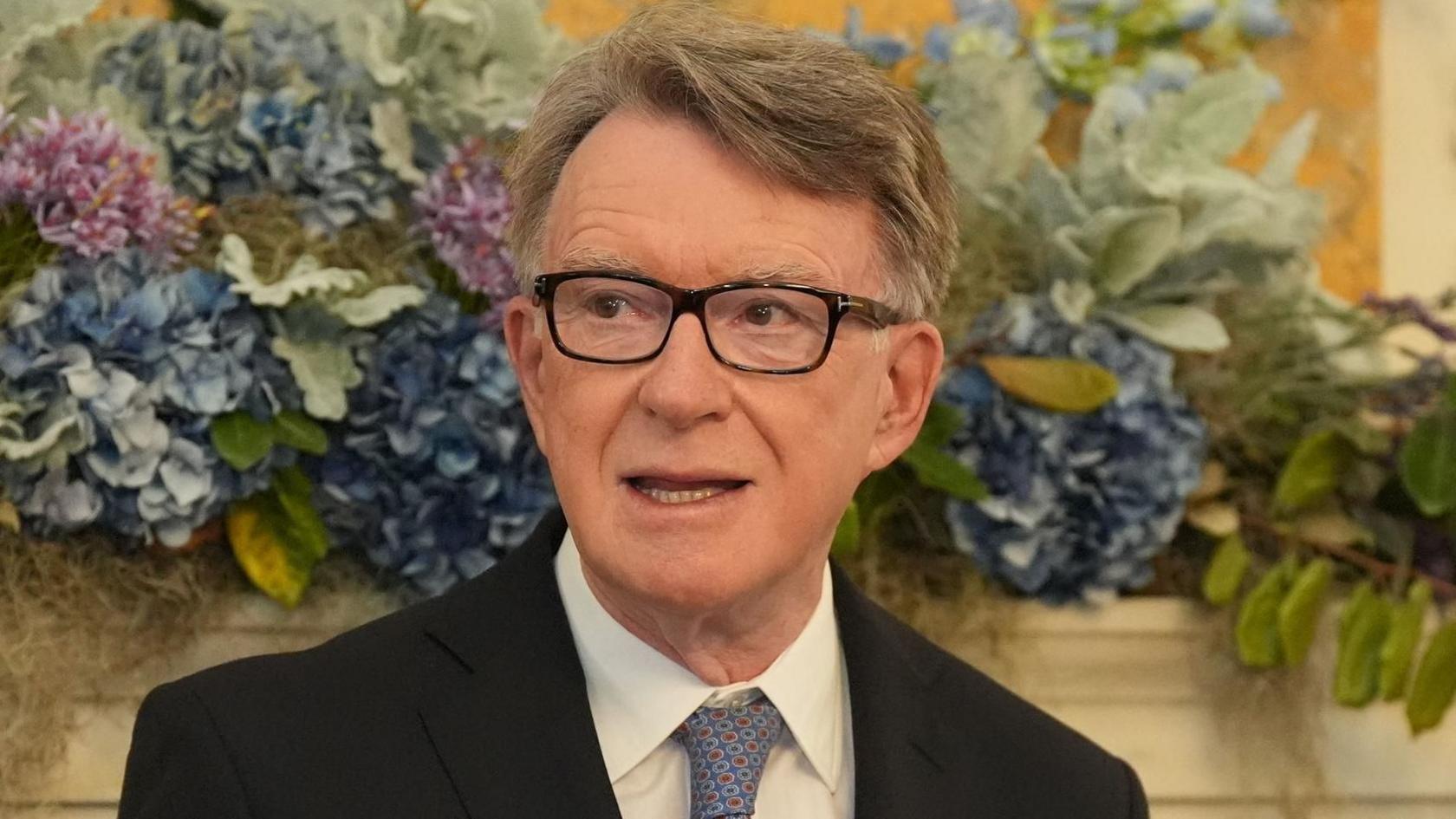
Peter Mandelson faces the press as scrutiny intensifies around his past associations, political legacy, and the personal cost of stepping away from frontline public life.
What Mandelson’s Wealth Means Now
How does Mandelson’s private sector work differ from traditional lobbying?
Unlike registered lobbyists, Mandelson positioned himself as a strategic adviser operating at arm’s length from day-to-day political campaigning. Firms like Global Counsel focus on geopolitical risk, regulatory forecasting, and relationship management rather than direct policy pressure, allowing senior figures to monetize experience while staying formally outside government decision-making.
Why do former senior politicians command such high advisory fees?
Clients are not paying for access alone but for institutional memory, credibility, and an understanding of how power actually functions behind closed doors. Mandelson’s value lay in his ability to interpret political signals early, anticipate regulatory shifts, and guide multinational firms through uncertainty, skills that are scarce and difficult to replicate.
Does reputational controversy typically impact long-term political consulting income?
Short-term fallout can limit visibility and public-facing roles, but established advisers often retain private clients who prioritize discretion over optics. In many cases, earnings shift rather than disappear, moving from high-profile engagements to quieter, behind-the-scenes advisory work that attracts less scrutiny but remains financially lucrative.
Closing Thoughts - A Fortune In Danger?
Mandelson’s resignation has not erased the fortune he built across decades of power, access, and strategic reinvention, but it has reframed how that wealth is now viewed. What once read as a textbook transition from public service to private influence is increasingly filtered through the lens of judgment, association, and timing.
His financial position appears secure, yet the cost of reputational damage is harder to quantify, particularly for a figure whose value has always rested on trust, discretion, and proximity to power. As the political chapter closes, the unresolved question is not how much Mandelson is worth, but how much distance money can truly buy when influence itself becomes the liability.