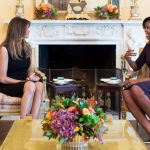

Andrew Mountbatten-Windsor has faced a dramatic upheaval in his life and finances following his eviction from Royal Lodge after fresh Epstein revelations resurfaced. This week, new files revealed a 2011 letter allegedly involving a “threesome” request and other connections that reignited scrutiny of his past.
The move forced him to vacate his long-term residence, leaving him temporarily relocated to Wood Farm Cottage while future housing arrangements are sorted. With mounting legal and reputational pressures, questions about his finances and lifestyle are now at the forefront.
Early Life and Naval Career Shaping Wealth
Born Andrew Albert Christian Edward Mountbatten-Windsor on February 19, 1960, in Buckingham Palace, London, he grew up steeped in royal tradition as the third child of Queen Elizabeth II and Prince Philip, Duke of Edinburgh. His upbringing included exclusive schools like Heatherdown Preparatory School and Gordonstoun, where he developed early interests in sports and aviation.
Andrew went on to serve in the Royal Navy from 1979 to 2001, including as a helicopter pilot during the Falklands War. His naval career provided him a modest pension of £20,000 annually and established a foundation of financial independence that relied heavily on royal support.
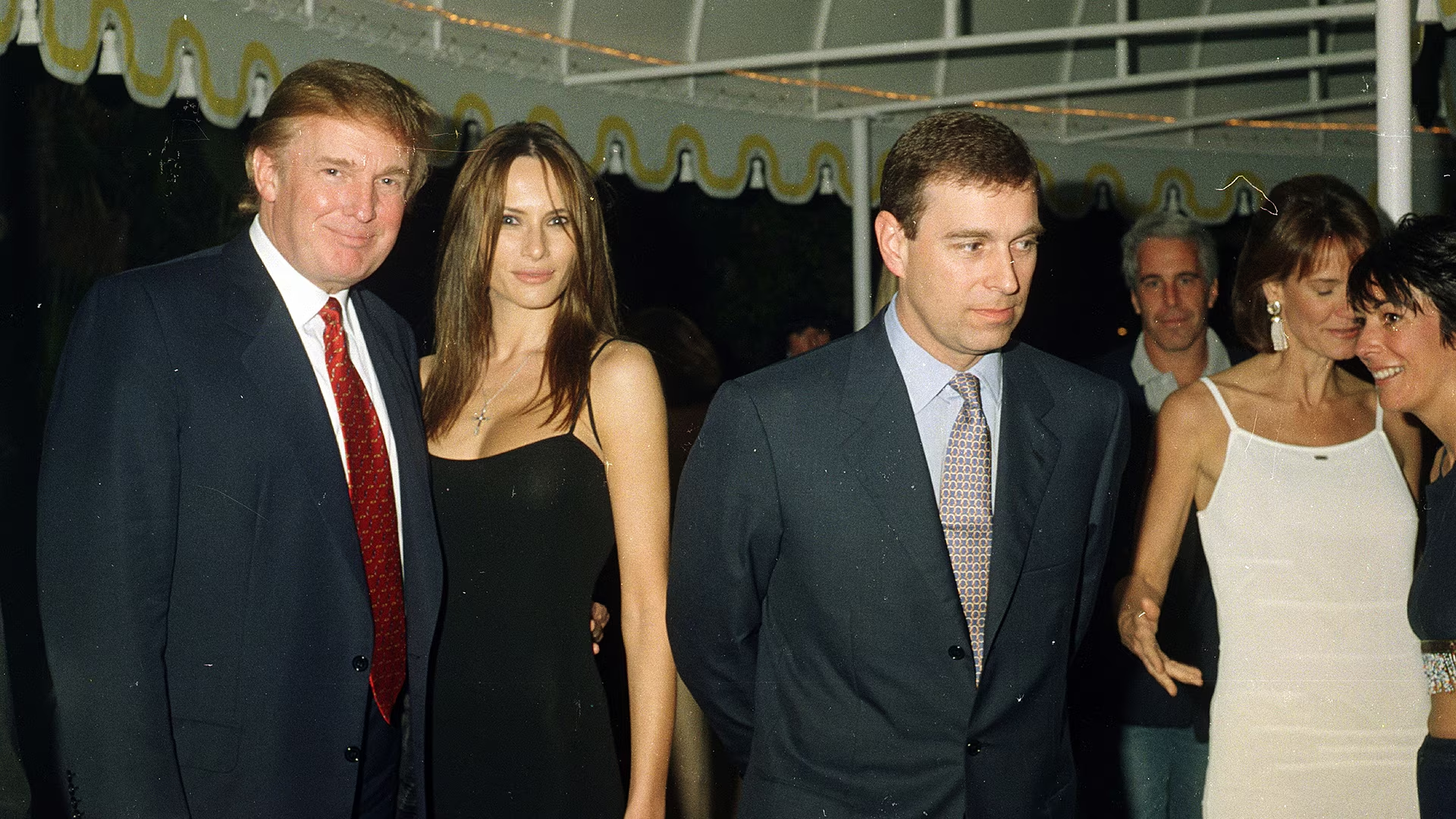
A rare glimpse at the gathering of powerful figures including Prince Andrew and Donald Trump with Epstein and Maxwell, illustrating the close social ties that fueled scrutiny and controversy.
Net Worth Derived from Royal Allowances and Inheritances
Andrew Mountbatten-Windsor’s net worth is estimated at £3.7 million, largely drawn from naval pensions, inheritance, and former allowances rather than business ventures or investments. His financial history reflects a life of royal privilege now constrained by scandal and reduced public funding.
Key components of his wealth include an annual naval pension of £20,000, a share of the Queen’s estate totaling millions, and private property holdings, including a Swiss chalet previously valued at £7 million and sold in 2022. Past allowances from the Sovereign Grant covered living and travel expenses until their removal in 2022.
Financial Impact of Controversy and Legal Settlements
The Epstein-linked scandals have had a tangible effect on Andrew’s finances. In 2022, he settled civil claims with Virginia Giuffre for £12 million, covering her allegations of sexual assault without admission of liability, funded partly by Queen Elizabeth II through private means and the sale of his £19 million Swiss chalet, yielding a £6 million profit after settling a £5 million loan.
This led to the loss of his £249,000 annual allowance from the Sovereign Grant, military titles, and over 200 patronages, reducing income and increasing personal costs for security and maintenance, estimated at £3 million annually without royal support.
Ongoing legal scrutiny, including FBI investigations, continues to generate additional costs from lawyers’ fees in the hundreds of thousands, potential settlements, and reputational damage limiting advisory or business opportunities, which could erode his remaining wealth further. This shift from a life of privilege to one of careful financial management marks a significant change in his daily reality.
Associations with Epstein
Prince Andrew's associations with Jeffrey Epstein date back to 1999, introduced through Ghislaine Maxwell, with flight logs showing multiple trips on Epstein's private jet, including to his U.S. Virgin Islands property.
Epstein hosted Andrew at his New York mansion in 2010 after Epstein's release from prison, documented in photos and videos. Virginia Giuffre alleged Andrew sexually assaulted her three times in 2001 when she was 17, at Epstein's properties in London, New York, and the U.S. Virgin Islands.
Andrew has denied the allegations and any knowledge of Epstein's crimes, stating their friendship ended in 2010. Epstein's address book listed Andrew's contact details, and emails referenced invitations to events. No financial ties between Andrew and Epstein are documented in the files.
Potential for Charges
U.S. prosecutors have not charged Andrew, with the FBI investigation ongoing but no indictments issued as of 2026. UK police dropped their review in 2021, citing no new evidence, though calls for reopening persist.
The 2022 settlement with Giuffre included a clause preventing further U.S. lawsuits, but international extradition remains a remote possibility without charges. Andrew's diplomatic immunity as a royal is no longer applicable post-settlement, but no active cases threaten charges.
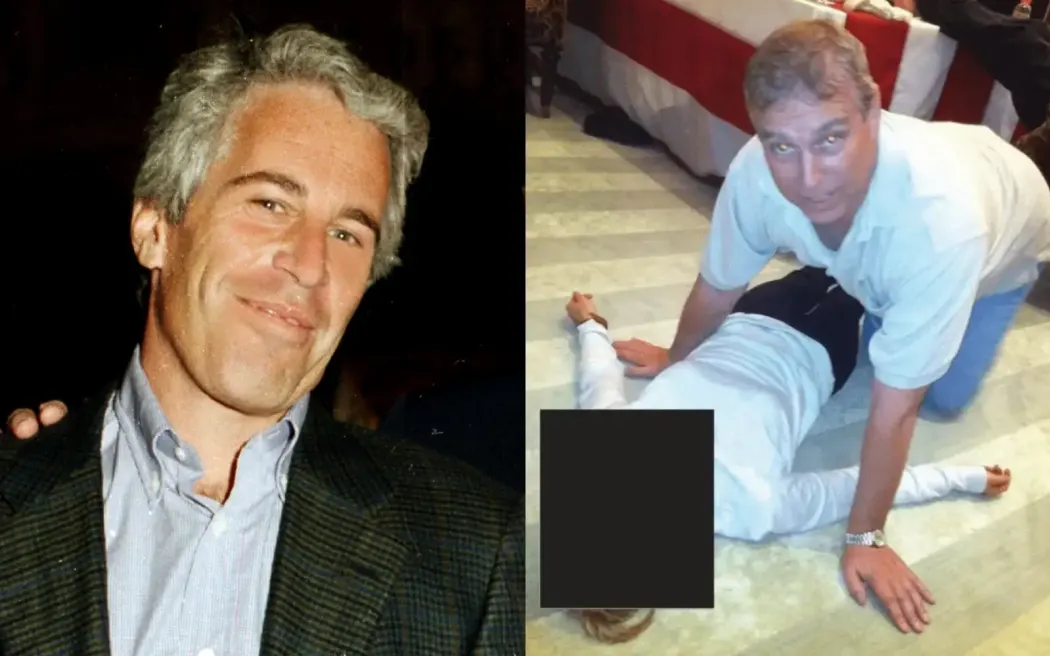
Documents reveal the 2011 claim that an exotic dancer performed for Jeffrey Epstein and Prince Andrew on Epstein’s private island, sparking renewed scrutiny of the royal’s ties to the disgraced financier.
Lifestyle Adjustments Following Eviction
Prince Andrew's lifestyle has undergone significant changes following his eviction from Royal Lodge, shifting from expansive royal accommodations to more modest arrangements amid financial and reputational pressures.
He previously enjoyed access to high-value properties and practical luxuries suited to his status, but recent scandals have led to a focus on essentials, with limited public details on current assets suggesting a deliberate low profile. Philanthropy remains private, with past patronages like the Outward Bound Trust removed in 2022, redirecting any contributions to personal causes without disclosed values.
Primary Residences and Relocation
Previously residing at the £30 million Royal Lodge in Windsor Great Park, a 30-room Grade II-listed mansion leased for 75 years in 2003 for a one-time payment of £1 million, Andrew invested £7.5 million in renovations to make it habitable, including roof repairs and interior updates funded from private sources.
The property, with 90 acres of grounds, a swimming pool, and tennis courts, served as his home since 2004, shared with ex-wife Sarah Ferguson. Evicted in 2026 following new Epstein revelations and pressure from King Charles III to downsize, the move underscores cost-cutting measures, as maintaining Royal Lodge reportedly cost £500,000 annually in upkeep alone, previously subsidized by royal funds but now unsustainable without allowances.
He is now in a scaled-back temporary residence at Wood Farm Cottage on the Sandringham Estate in Norfolk, a modest five-bedroom farmhouse valued around £1 million to £1.5 million based on similar rural properties, where Prince Philip spent his retirement years. The cottage offers basic amenities like a kitchen-diner and garden, providing seclusion but far less grandeur, with Andrew covering costs privately amid reduced financial support.
Long-term plans include potential relocation to Frogmore Cottage, previously occupied by Harry and Meghan, valued at £2.4 million after £2.4 million in renovations repaid by the Sussexes, though no confirmation exists on acceptance.
Other Properties and Sales
Andrew co-owned a £13 million ski chalet in Verbier, Switzerland, purchased in 2014 with Sarah Ferguson for family holidays, featuring seven bedrooms, a sauna, and indoor pool; it was sold in 2022 for £19 million to repay a £5 million loan from Isabelle de Rouvre, yielding a £6 million profit after settling debts.
No other real estate holdings are publicly documented, with past access to royal residences like Sunninghill Park (sold for £15 million in 2007 after a £3 million purchase in 1986) contributing to earlier gains but not current assets.
Vehicles and Transportation
Details on vehicles remain minimal, with Andrew favoring practical luxury like Range Rovers for daily use, standard for royals with models valued around £100,000 new, often provided through family fleets without personal ownership reported.
He has been seen with an Audi RS6 worth £120,000 and a Jaguar XJ for events, but no extensive collection or high-value exotics are documented, suggesting a focus on functionality amid reduced allowances.
Luxury Goods and Collectibles
No specific jewelry, artwork, or collectibles are detailed in public records, with Andrew's lifestyle emphasizing essentials over extravagance since losing his £249,000 annual allowance in 2022. Past indulgences like golf outings or hunting trips, costing thousands annually, have likely scaled back, with no verified purchases of note.
Philanthropy and Personal Spending
Private philanthropy includes support for causes like women's entrepreneurship through the Pitch@Palace initiative (removed as patron in 2019), but no current values are reported.
The forced relocation underscores the practical costs of reputational fallout, with annual living expenses now self-funded, potentially straining his £20,000 naval pension, and illustrates how high-profile scandals can redefine lifestyle, freedom, and personal space in royal contexts.
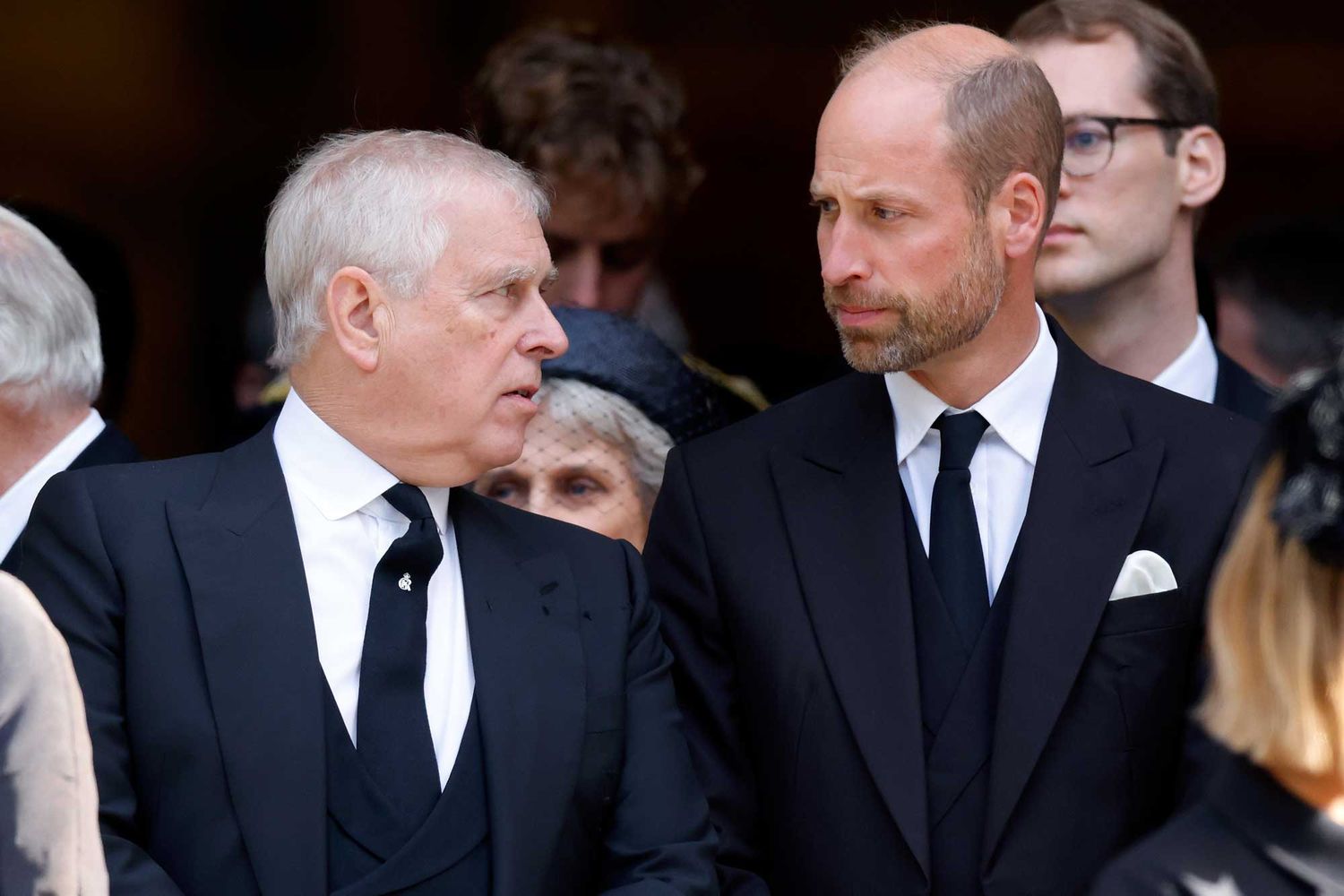
Prince Andrew pictured in conversation with Prince William at a recent formal event, amid ongoing discussions about his move from Royal Lodge and future estate plans.
People Also Ask About Andrew Mountbatten-Windsor
How much did Andrew pay Virginia Giuffre in settlement?
The 2022 settlement reportedly totaled £12 million and was funded without admission of liability.
What is Andrew Mountbatten-Windsor’s annual pension?
He receives £20,000 annually from his Royal Navy service.
Where is Andrew Mountbatten-Windsor living now?
He is temporarily staying at Wood Farm Cottage on the Sandringham Estate while a permanent residence is prepared.