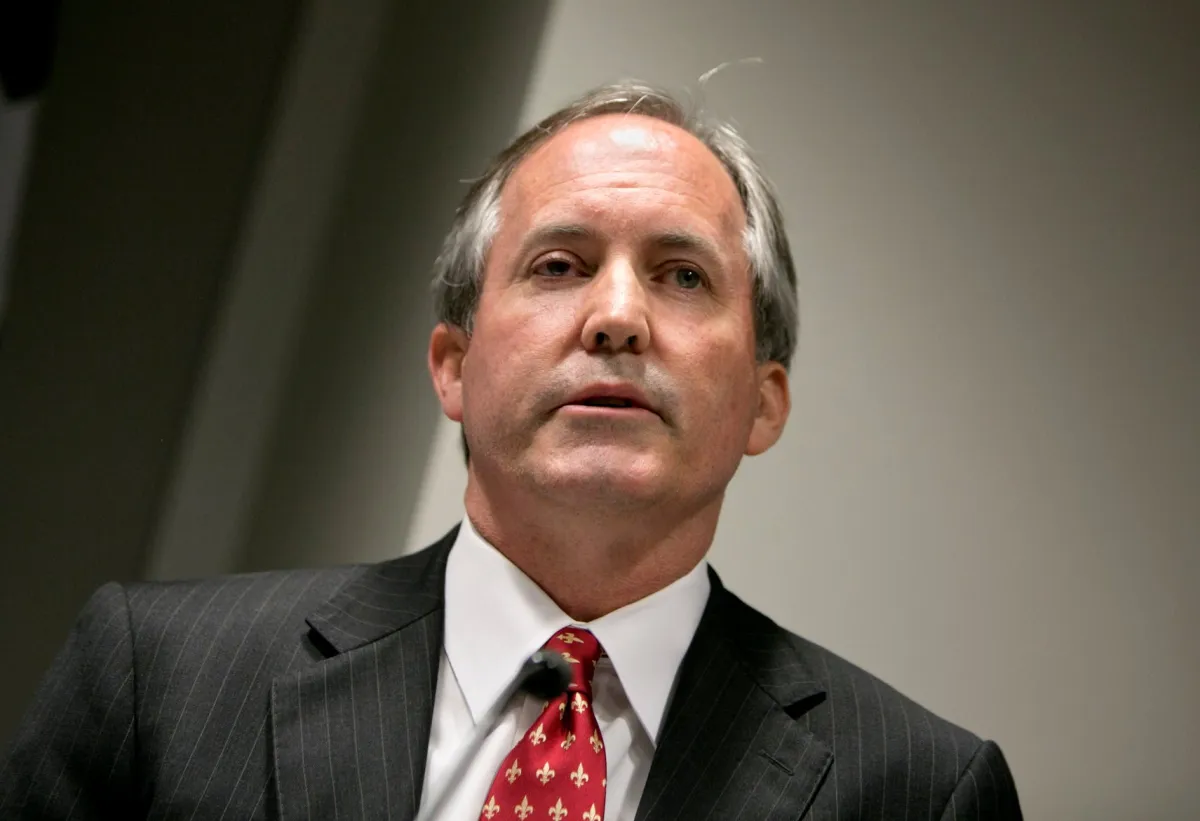
Texas Attorney General Ken Paxton has filed a lawsuit accusing Texas American Muslim University (TexAM) of operating as an illegal, unlicensed university while allegedly awarding degrees without state approval — a case now drawing wider political attention as Donald Trump publicly backs Paxton in Texas’ high-stakes Senate race.
The State of Texas alleges TexAM falsely presented itself as a legitimate higher education institution despite never receiving authorisation from the Texas Higher Education Coordinating Board to operate or grant degrees.
“TexAM has repeatedly disregarded Texas law, misrepresented its authority to grant degrees, and risked deceiving students about its legitimacy,” Paxton said. “My office will not allow illegal, unaccredited degree mills to operate in Texas.”
Court filings submitted in Collin County allege the organisation marketed bachelor’s and master’s degree programmes in areas including cybersecurity, artificial intelligence, computer science and health informatics while lacking legal authority to issue recognised qualifications.
Texas regulators claim the institution continued recruiting students even after its corporate charter was forfeited in February 2026 and after cease-and-desist warnings were issued. According to the petition, TexAM allegedly continued advertising tuition offers, promoting low-cost registration fees and targeting international applicants despite the state’s warnings.
The lawsuit also focuses heavily on the organisation’s branding. Texas alleges TexAM adopted a name and presentation closely resembling Texas A&M University System, potentially creating confusion over whether any affiliation existed.
The Texas A&M University System separately issued a cease-and-desist notice stating there is no institutional connection and warning that the branding could mislead prospective students.
State regulators say TexAM never obtained legal approval to operate as a private postsecondary institution in Texas and therefore could not lawfully award academic degrees under state education laws.
Paxton’s office is seeking court orders to immediately halt TexAM’s operations, block the organisation from using disputed branding and impose civil penalties that could exceed $1 million. The lawsuit also seeks restrictions preventing the institution from advertising or offering degree programmes unless it becomes fully compliant with Texas law.
The case is emerging at a politically sensitive moment for Paxton after Trump formally endorsed him in Texas’ Republican Senate run-off against incumbent Senator John Cornyn.
Trump praised Paxton as “a winner” despite years of legal and political controversy surrounding the attorney general, including impeachment proceedings, corruption investigations and ethics scrutiny.
The endorsement is intensifying national attention around Paxton as he simultaneously pursues several aggressive legal and regulatory actions inside Texas — including the TexAM lawsuit — while positioning himself as one of Trump’s closest political allies heading into the November election.
The lawsuit also highlights growing financial and reputational risks surrounding unlicensed education providers, particularly those targeting international students through low-cost online degree programmes. Questions over accreditation can affect tuition revenue, student recruitment, visa eligibility and the commercial viability of private institutions operating outside formal regulatory approval.
For higher education operators and investors, the case reinforces how compliance failures and misleading branding disputes can quickly escalate into costly litigation and operational shutdowns.