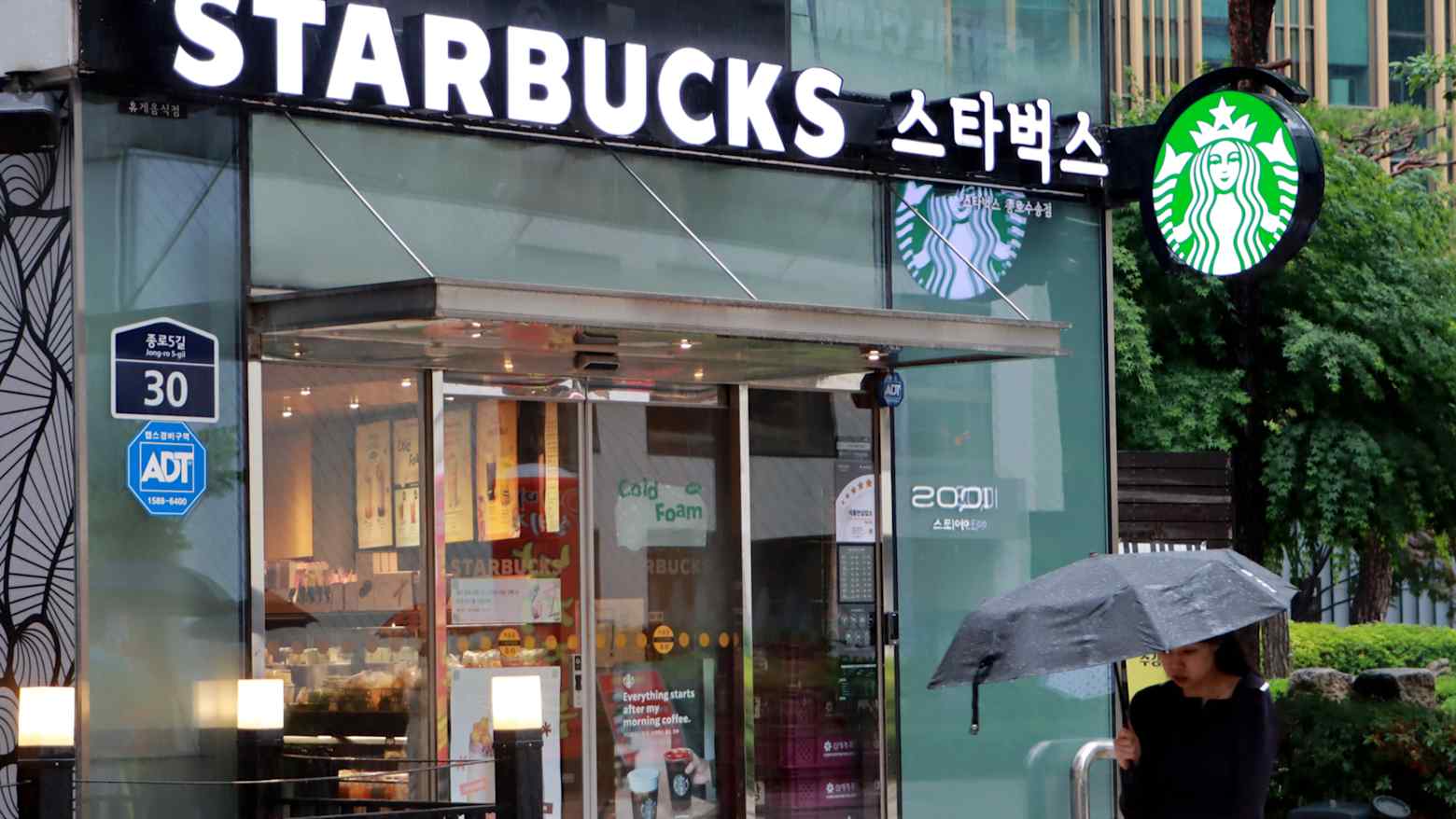
Starbucks issued a public apology from its Seattle headquarters after Starbucks Korea faced political backlash and executive fallout over a “Tank Day” promotion tied to the anniversary of the May 18 Gwangju Democratization Movement, one of South Korea’s most traumatic historical events.
The controversy erupted after Starbucks Korea promoted its “Tank Tumblers” using phrases including “Tank Day” and “Bang on the Desk” during the anniversary period of the 1980 uprising linked to the military crackdown on pro-democracy protesters in Gwangju.
Public criticism intensified after consumers and political figures accused the company of using language that appeared to trivialize one of South Korea’s most traumatic historical events. Starbucks headquarters later described the campaign as an “unacceptable marketing incident,” confirmed that accountability measures had been taken and announced an internal investigation.
South Korean President Lee Jae Myung publicly condemned the campaign and said “moral, administrative, legal and political responsibility” should follow. Starbucks Korea suspended the promotion and issued its own apology soon afterward.
Sohn Jeong-hyun, the head of Starbucks Korea, was later removed by local ownership group Shinsegae Group through affiliate E-Mart, which operates Starbucks Korea alongside Starbucks Corp.
Large consumer brands increasingly face pressure to show that historically sensitive advertising campaigns pass through meaningful internal review before reaching the public. Political backlash that once may have remained confined to social media can now produce executive removals, headquarters intervention and governance scrutiny within days.
Starbucks Korea also operates under a different ownership structure from many other Starbucks markets, with Shinsegae Group controlling the local business through E-Mart and SCK Company. Structures like that can complicate accountability between local marketing teams, regional executives and global headquarters when controversies escalate publicly.
Headquarters involvement also widened the significance of the incident. Once Starbucks issued a statement directly from Seattle, the controversy shifted from a domestic Korean backlash into a broader corporate governance issue tied to the global brand.
International companies operating across Asia and other politically sensitive regions increasingly face commercial exposure when marketing campaigns collide with national history, political symbolism or cultural trauma.
Consumer backlash can rapidly spill into executive accountability decisions once elected officials, regulators or major political figures become involved publicly.
Starbucks quickly halted the campaign, removed the local executive overseeing the operation and pledged stricter internal review procedures and expanded employee training as backlash intensified. The rapid response highlighted how quickly multinational brands now act when political or historical controversies begin escalating into wider reputational crises.
What initially appeared to be a local marketing controversy rapidly became an international corporate issue once Starbucks headquarters, South Korean political figures and senior executives were forced to respond publicly.