Global e-commerce has transformed the way consumers discover and purchase specialized products. Buyers are no longer limited to large retailers or local distributors. Instead, consumers increasingly search online for products that offer authenticity, craftsmanship, rarity, and direct access to producers. From artisanal coffee and luxury plants to handmade goods and collectible items, niche international markets are benefiting from this shift toward specialist commerce.
One industry quietly benefiting from this evolution is Thailand’s ornamental fish sector, particularly the market for premium betta fish. Once associated primarily with local aquarium shops and hobbyist circles, Thai betta fish are now reaching collectors and enthusiasts worldwide through digital storefronts, international logistics networks, and direct-to-consumer branding strategies.
For business observers, the rise of Thailand’s premium betta fish industry illustrates how highly specialized export businesses can compete globally by combining product expertise with modern e-commerce infrastructure.
The Rise of Niche E-Commerce
Over the last decade, e-commerce has lowered the barriers for small and medium-sized businesses seeking international customers. Instead of competing solely on scale or pricing, niche sellers increasingly compete through expertise, origin, product quality, and storytelling.
This trend has created opportunities for specialist exporters across multiple categories. Consumers now purchase rare houseplants from boutique growers, handmade luxury goods from regional artisans, and collectible products directly from international producers. Social media, search engine optimization, and targeted online communities have made it easier for sellers to connect with highly specific audiences around the world.
In many cases, niche businesses succeed precisely because they avoid mass-market positioning. Rather than appealing to everyone, they focus on enthusiasts and collectors who value authenticity and specialized knowledge.
Thailand’s ornamental fish industry fits naturally within this broader movement toward premium niche e-commerce.
Why Betta Fish Are a Premium Thai Specialty Product
Betta fish have long been associated with Thailand, where selective breeding traditions have developed over generations. Thai breeders are internationally recognized for producing advanced color variations, distinctive finnage, and specialized bloodlines that appeal to serious aquarium collectors.
Today, premium betta fish are viewed by many hobbyists as collector products rather than ordinary pet-store fish. Enthusiasts often evaluate fish based on factors such as color consistency, body structure, tail form, genetic lineage, rarity, and overall health conditioning.
This growing international demand has helped elevate the profile of Thailand’s premium betta fish export market, where specialist farms and online platforms are connecting global buyers directly with Thai breeders.
For many collectors, purchasing directly from Thailand also carries an element of authenticity. Origin matters in premium niche markets, particularly when a country has a long-standing reputation for expertise within a specific category.
From Local Farms to Global Buyers
Traditionally, ornamental fish exports relied heavily on wholesalers, distributors, and regional pet trade networks. However, digital commerce has changed how specialist breeders approach international sales.
Today, Thai fish farms and niche exporters can build direct relationships with overseas buyers through websites, search visibility, social media marketing, and online product catalogs. This direct-to-consumer model allows breeders to present their inventory more effectively while maintaining greater control over pricing, customer communication, and brand identity.
For international buyers, the advantages are equally significant. Instead of relying on limited local inventory, collectors can browse a broader selection of fish sourced directly from specialist breeders. High-resolution photography, detailed product listings, and transparent shipping information help bridge the gap between international sellers and customers.
Improved logistics infrastructure has also played a major role in this transformation. International shipping systems, live-animal handling protocols, and export documentation processes have become more streamlined, enabling smaller exporters to serve global markets more efficiently than in previous decades.
As a result, ornamental fish export businesses are increasingly operating like specialized e-commerce brands rather than traditional local breeders.
Premium Pricing in a Specialized Market
One of the defining characteristics of premium niche markets is that pricing often reflects expertise and production complexity rather than simple retail markup.
In the premium betta fish industry, selective breeding programs may take years to develop consistent traits and bloodlines. Maintaining high-quality inventory also requires careful conditioning, individual care, and controlled breeding environments.
Additional factors influencing pricing include:
- Advanced color and pattern development
- Specialized fin and body forms
- Lower-volume production models
- Health screening and conditioning
- Export preparation and packaging
- International shipping coordination
- Regulatory and documentation requirements
Unlike mass-market ornamental fish, premium betta fish are frequently sold as individual showcase specimens. For collectors, rarity and breeder reputation often carry substantial value.
This dynamic mirrors other collector-driven industries where exclusivity, craftsmanship, and origin contribute to higher price positioning.
Rare Fish as a Collector-Driven Product Category
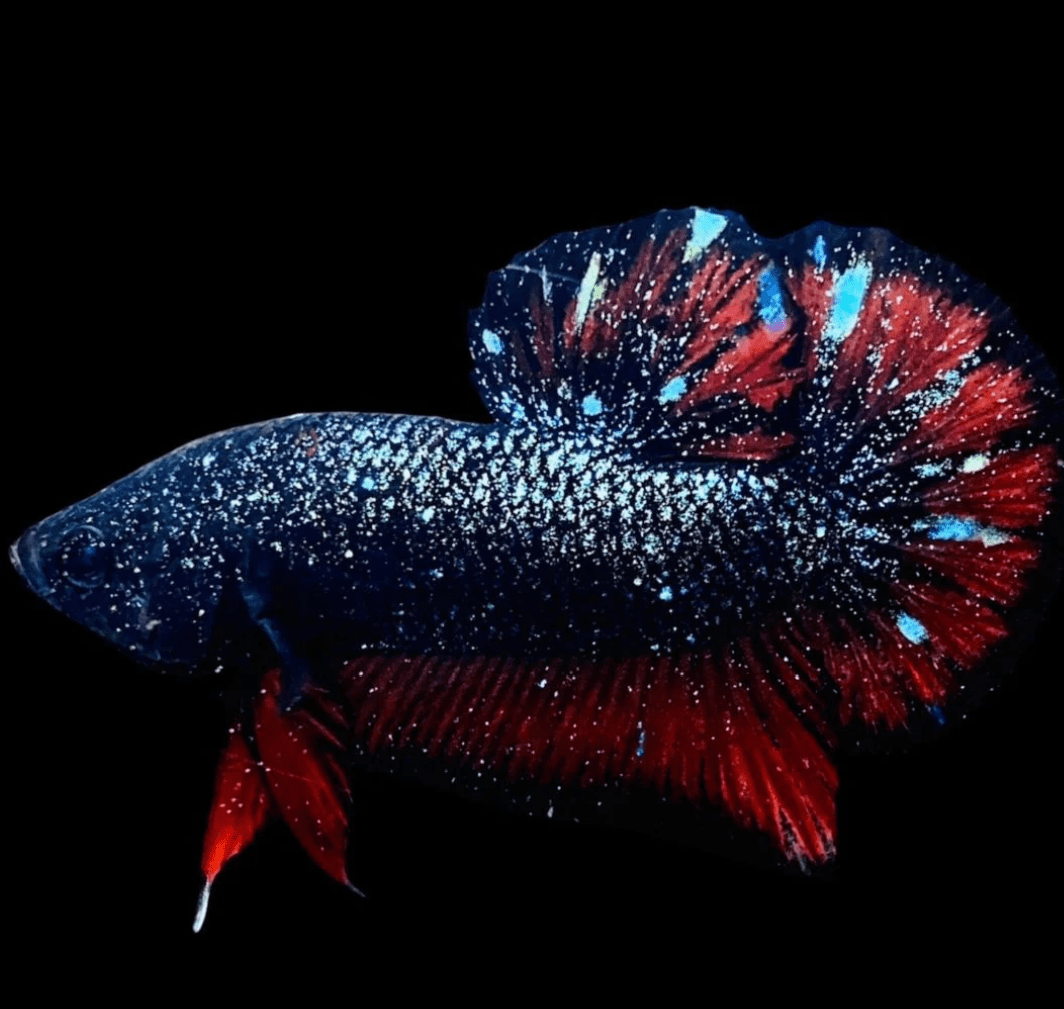
Collector markets tend to reward uniqueness and limited availability. In the betta fish industry, demand has grown for specialized varieties such as koi bettas, galaxy bettas, samurai bettas, giant bettas, alien bettas, dragon bettas, and dumbo bettas.
These fish appeal to buyers seeking distinctive visual traits and uncommon bloodlines. Much like collectors in other niche categories, aquarium enthusiasts often follow breeding trends, emerging color patterns, and rare genetic lines.
Online platforms have made it easier for international hobbyists to explore rare betta fish collections for global buyers, where curated inventory and direct breeder access help differentiate specialist exporters from mass-market competitors.
Importantly, this trend reflects a broader consumer shift toward personalization and premium experiences. Buyers increasingly value products that feel unique, specialized, and difficult to source through traditional retail channels.
The Role of Trust in Cross-Border Pet E-Commerce
Trust is particularly important in international live-animal commerce. Buyers need confidence not only in product quality but also in shipping reliability, seller communication, and animal welfare standards.
For exporters, reputation management becomes essential. Clear policies, responsive communication, realistic delivery expectations, and transparent product information all contribute to long-term customer trust.
Many successful niche exporters prioritize educational content and detailed product presentation rather than aggressive sales tactics. This approach helps buyers make informed purchasing decisions while reinforcing the credibility of the seller.
In cross-border e-commerce, trust often functions as a competitive advantage. Businesses that establish reliability and transparency are more likely to generate repeat customers and word-of-mouth referrals within enthusiast communities.
Why the U.S. Market Matters
The United States remains one of the world’s largest markets for aquarium hobbyists and collector communities. American consumers are increasingly comfortable purchasing specialized products directly from international sellers, particularly when those products are associated with recognized expertise or geographic origin.
Within the aquarium industry, many U.S. collectors actively seek premium fish that may not be widely available through local retailers. The growth of online communities, social media groups, and hobbyist forums has also expanded awareness of international breeders and specialty exporters.
As a result, buying betta fish online has become increasingly normalized among experienced aquarium enthusiasts who prioritize selection, rarity, and breeder reputation over convenience alone.
For Thai exporters, the U.S. market represents a strong example of how niche demand can support premium international commerce when supported by effective branding, SEO visibility, and reliable logistics.
Lessons for Other Niche Export Businesses
Thailand’s ornamental fish sector offers broader lessons for other niche exporters seeking international growth opportunities.
First, authenticity and origin can become powerful brand assets when supported by genuine expertise. Consumers are often willing to pay premium prices for products tied to recognized regional craftsmanship or specialization.
Second, education matters. Businesses that help buyers understand quality differences, production methods, and product value are often better positioned to compete in premium categories.
Third, niche exporters benefit from targeted marketing rather than mass-market positioning. Serving a highly specific audience allows businesses to develop stronger brand identity and customer loyalty.
Finally, digital visibility remains critical. SEO, informative content, social media engagement, and transparent logistics communication all contribute to international trust and discoverability.
These principles apply not only to ornamental fish export businesses but also to a growing number of specialized global product categories.
Final Thoughts
Thailand’s premium betta fish industry demonstrates how specialized businesses can compete successfully in global markets through a combination of product expertise, digital commerce, and customer trust.
What was once a localized breeding industry now operates within an international collector economy shaped by niche e-commerce, targeted branding, and cross-border logistics. Thai fish farms and specialist exporters are increasingly reaching customers directly, bypassing traditional retail limitations while building stronger global visibility.
For business leaders and entrepreneurs, the industry offers a compelling example of how highly specialized products can achieve international relevance when authenticity, expertise, and digital infrastructure align effectively.