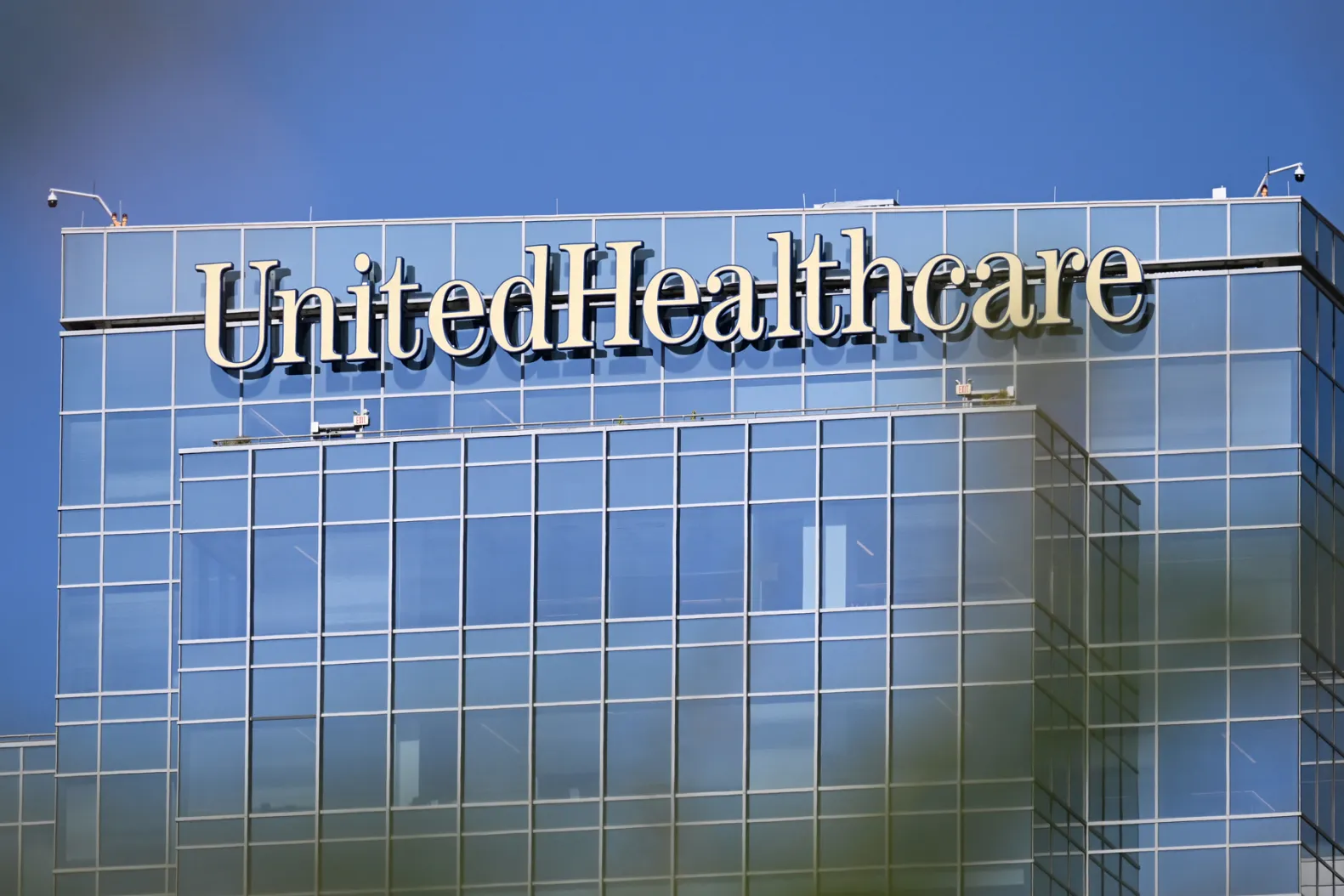
Massachusetts says a UnitedHealth insurance unit improperly collected more than $100 million from its Medicaid program, raising new questions about oversight of taxpayer-funded healthcare spending.
The lawsuit, filed by Massachusetts Attorney General Andrea Joy Campbell, alleges that UnitedHealthcare Insurance, operating as UnitedHealthcare Community Plans of Massachusetts, made older patients appear sicker than they actually were in order to secure higher payments from MassHealth. The state claims the practice took place between 2015 and 2025 and involved members enrolled in the Senior Care Options program for people aged 65 and older.
UnitedHealth has denied the allegations and called the complaint "meritless."
At the center of the case is a simple but financially significant accusation. Massachusetts claims the insurer submitted inaccurate diagnoses that increased government reimbursements tied to patient health conditions. The state argues those alleged actions resulted in more than $100 million in improper payments from a publicly funded program.
The case lands at a time when states across the country are struggling with rising medical expenses. Medicaid already consumes a significant share of many state budgets, while demand for services continues to grow as the population ages. Allegations that a major insurer may have improperly increased payments are likely to intensify scrutiny of how public funds are spent and monitored.
For many households, the issue extends beyond the courtroom. Public health programs are funded through taxpayer money, and concerns about waste, fraud or improper billing often fuel wider debates about affordability and the long-term sustainability of government-backed coverage. Every dollar alleged to have been paid improperly becomes part of a broader discussion about how limited resources are allocated.
Campbell's office accused UnitedHealth of pursuing what it described as a "growth-at-all-costs strategy." The complaint includes claims for false claims and unjust enrichment and seeks repayment of funds Massachusetts says should never have been paid. The state is also seeking triple damages, raising the potential financial exposure far beyond the original amount at issue.
Because UnitedHealth is one of the largest and most influential healthcare companies in the United States, the case reaches far beyond Massachusetts. Regulators and public health officials elsewhere are expected to pay close attention to the outcome, particularly as governments continue searching for ways to control medical spending without reducing access to care.
Another issue likely to receive attention is the way risk-adjustment systems determine insurer payments. Supporters argue these systems ensure providers receive appropriate funding for treating patients with more complex medical needs. Critics argue they can create incentives to maximize diagnoses and reimbursement levels.
Whether Massachusetts ultimately proves its claims will be decided in court. But the legal battle arrives at a moment when medical spending is already under strain from rising costs, ageing populations and stretched public resources. It also raises broader questions about how billions in taxpayer funding are tracked, and whether the safeguards designed to protect public money are working as intended.