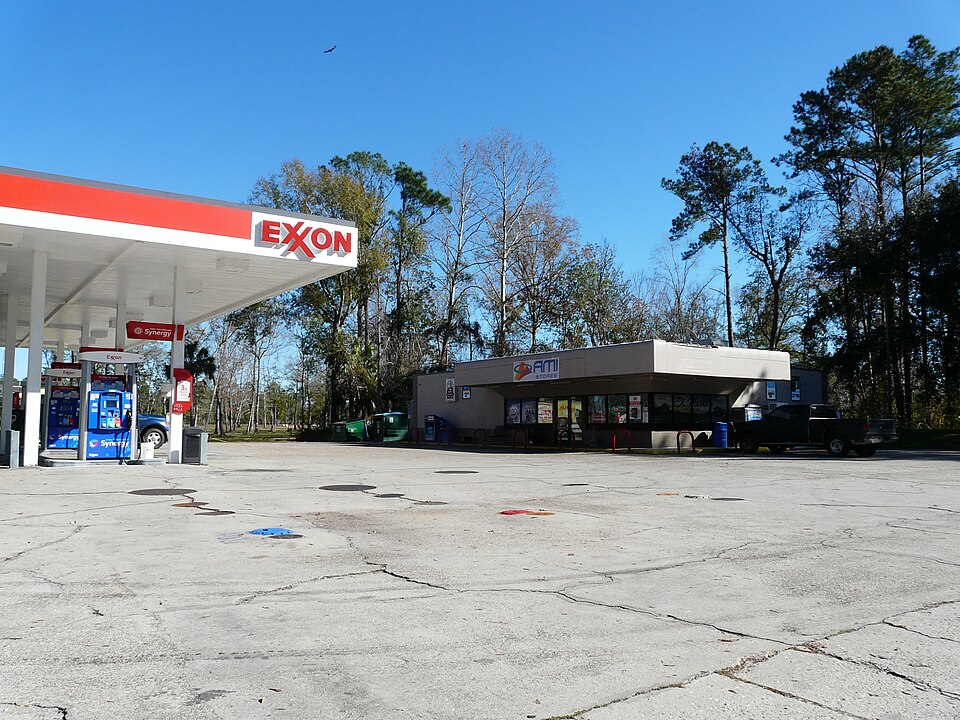
California gas prices have crossed $6 a gallon, turning the US fuel shock into a much sharper cost problem on the West Coast. AAA listed the statewide average for regular gas at $6.060, up from $6.010 yesterday and $4.778 a year ago.
Updated: 05/01/26
The jump gives drivers in California a much harsher version of the national gas-price squeeze. The US average has moved around $4.30 a gallon, but California drivers are now paying roughly $1.76 more per gallon than the national figure and more than $1.28 above last year’s California average.For a household filling a 15-gallon tank, California’s current average means a full tank costs about $90.90. At last year’s average of $4.778, the same fill-up cost about $71.67. That is around $19 more per tank, or nearly $77 extra a month for a driver filling once a week. The price shock is now large enough to change behaviour. Long commutes, school runs, delivery work, weekend trips and summer travel all become harder to absorb when a basic fill-up moves towards $100. Drivers can cut restaurant visits, delay shopping or choose cheaper groceries, but many cannot avoid the mileage needed to work, care for family or run a small business.
California already has some of the highest fuel costs in the US because of taxes, environmental rules, refinery constraints and its distance from many fuel-supply routes. The Iran war has added a global oil shock on top of those local pressures. The West Coast is especially exposed because fuel supply is more isolated than in many other parts of the country. California cannot easily draw on the same pipeline networks that support much of the US, leaving the state more dependent on regional refining and imported fuel. When global oil prices rise and local supply tightens, pump prices can move faster and higher. AAA data shows how quickly the California squeeze has intensified. Regular gas averaged $5.884 a week ago and $5.892 a month ago, before moving above $6. Premium gasoline is now averaging $6.473, while diesel sits at $7.501.
Diesel matters beyond truck drivers. Higher diesel costs feed into freight, construction, agriculture and delivery networks. If businesses absorb the increase, margins come under pressure. If they pass it on, consumers can meet the fuel shock again through delivery fees, service charges and higher product prices. The political pressure will also grow. Gas prices are one of the most visible costs in the economy, and California’s $6 average is now well above the level where drivers notice every fill-up. A fuel-price shock does not need to reach every state equally to become a national issue; the images of $6 pump prices are powerful on their own. Retailers and restaurants face the pressure through disposable income. A California household spending nearly $77 more a month on one weekly fill-up has less room for non-essential purchases. The first signs may be smaller shopping baskets, fewer trips, cheaper substitutions and more pressure on discount retailers.
Travel businesses face the same squeeze as summer demand builds. Road trips across California and the wider West become more expensive just as families are planning holiday spending. A higher fuel bill also competes with hotels, restaurants, attractions and car rentals, putting pressure on the wider leisure economy. The earlier national story was about the Iran war moving from oil markets into household budgets. California now shows the more severe version. A $4.30 national average squeezes drivers. A $6 California average changes the cost of every commute, delivery route and road trip.
The next stage depends on whether oil prices and fuel supply conditions ease. If the Iran war continues to disrupt global energy flows, California drivers may remain exposed to some of the highest pump prices in the country. If prices fall back quickly, households still do not recover the extra cash already spent filling their tanks.
California’s $6 gasoline average is now the clearest sign that the fuel shock has moved beyond market headlines. For millions of drivers, the Iran war is being priced one gallon at a time.
More from Finance Monthly: $25 Minimum Wage: The Hidden Cost for Jobs, Prices and Small Business