Thousands of Russians buried under loan repayments are now being offered a way out — if they agree to fight in Ukraine.
President Vladimir Putin has approved a wartime debt relief scheme that wipes out debts of up to 10 million roubles for new military recruits and their spouses, drawing personal finances deeper into the Kremlin’s military campaign.
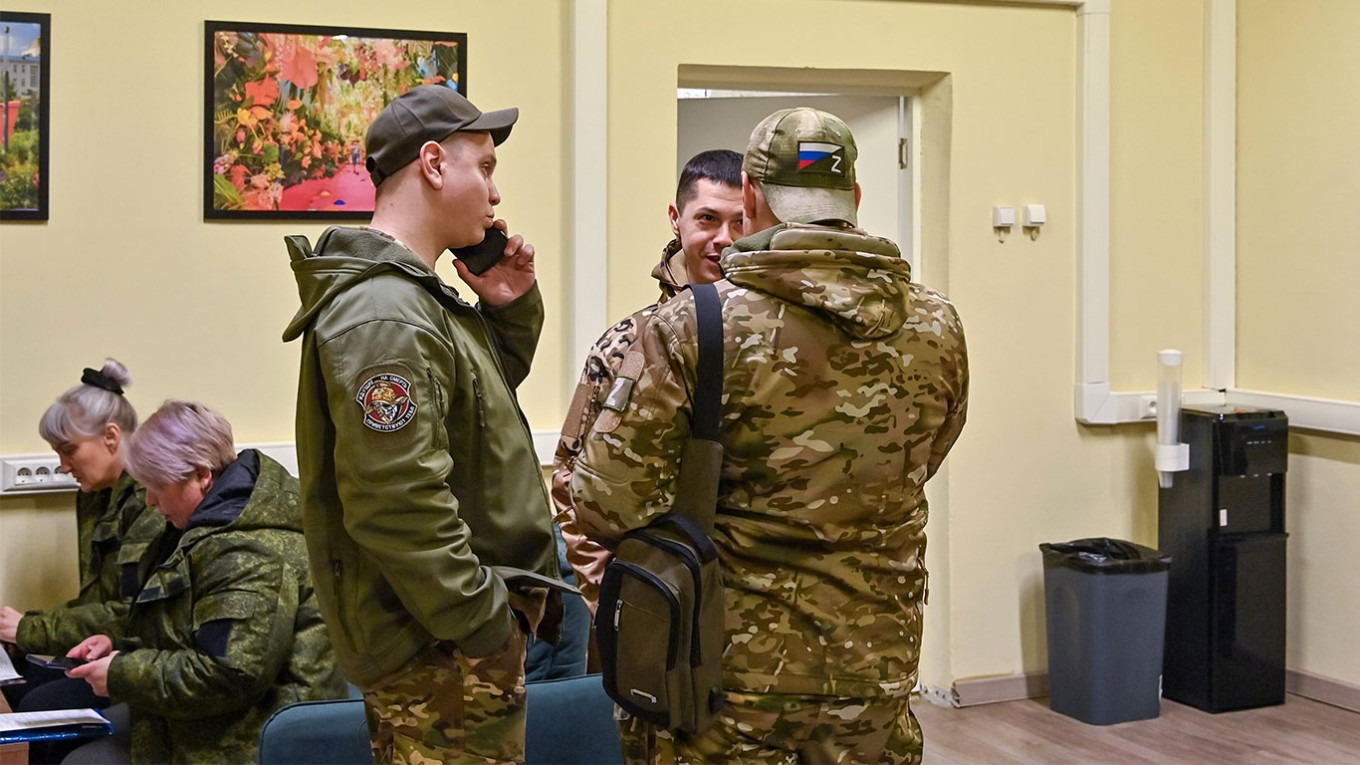
The decree applies to people who signed contracts with Russia’s defence ministry from May 1 onward, as long as debt collection proceedings had already started before that date. Contracts must run for at least one year. For many Russians dealing with overdue loans, weak wages or repayment stress, the offer changes the calculation completely. Military service is no longer being framed only through patriotism or national duty. In some regions, it is starting to look like one of the fastest ways to escape debt.
The policy also says something uncomfortable about the direction of Russia’s economy. Moscow has spent years trying to keep the country stable through wartime spending, military production and energy revenues. But as the conflict drags on, the state appears increasingly willing to tie economic survival directly to enlistment.
The debt cancellation is substantial. Reuters noted it is roughly equal to the price of a small studio apartment in Moscow. For families already behind on repayments, that kind of relief could wipe out years of financial stress almost overnight. And the incentives keep growing. Since the invasion began in 2022, the Kremlin has steadily expanded support for fighters and military families through signing bonuses, housing assistance, education benefits and state-backed financial programs. Putin also signed another decree on Monday extending rental rights for state-owned land for people serving in Ukraine.
For some households, debt collectors and military recruiters are now colliding in the same part of life. In poorer areas especially, the money alone may outweigh politics. Families already struggling with repayments may view enlistment less as ideology and more as economic necessity. That changes the social meaning of recruitment entirely.
Debt forgiveness on this scale hints at another problem too: the Kremlin knows money strain is spreading. Governments rarely erase personal debt unless they are struggling to persuade people another way. The expanding incentives suggest Moscow understands parts of the population are becoming financially harder to hold together even while wartime spending keeps the broader economy moving.
Outside Russia, the longer conflict continues to keep energy markets, defence spending and geopolitical tensions elevated. But inside the country, the effect feels far more personal.
The war is now showing up in bills, loan repayments and conversations around kitchen tables. For some Russian families, the path away from debt is starting to run directly through the battlefield.