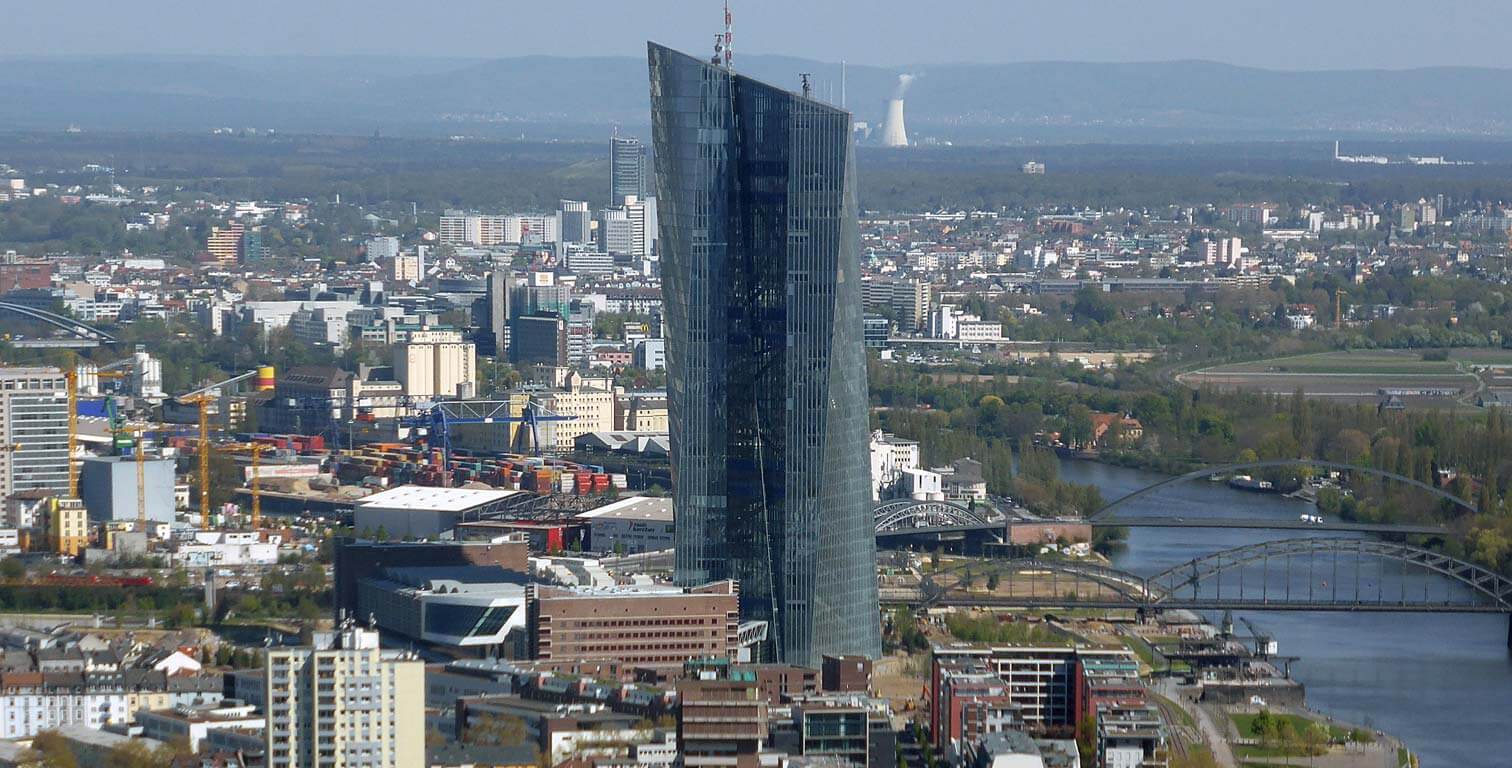
The European Central Bank warned Wednesday that the economic fallout from the Iran war could expose deeper weaknesses across Europe’s debt markets and banking environment just as governments and businesses are entering a more fragile period financially.
Energy costs remain volatile, growth across the euro zone is slowing and governments are already carrying heavy borrowing demands. The ECB said a prolonged energy shock tied to the conflict — combined with lingering trade tensions — could trigger a sudden repricing in sovereign bond markets, pushing borrowing costs higher across the region.
Investors have largely treated the conflict as manageable so far. Stock markets remain elevated, corporate borrowing costs remain relatively contained and bond spreads across euro-area countries have stayed calm. The ECB’s concern is that markets may be pricing in stability at a moment when several layers of economic risk are starting to build underneath the surface at the same time.
Europe’s governments are already stretched by defense spending, green transition projects and the growing cost of shielding households and businesses from higher energy bills. According to the ECB, those commitments are leaving countries with less flexibility if financial conditions deteriorate further.
If government borrowing costs jump, the strain would move quickly beyond bond markets.
Businesses facing higher financing costs could pull back on investment and hiring, particularly as growth expectations weaken across parts of Europe. Households may eventually feel the effects through tighter credit conditions, more cautious lending and governments having less capacity to soften future economic shocks.
Underneath the calm in debt markets, the ECB sees more fragility building than investors may realize.
The central bank pointed to the growing role hedge funds now play in sovereign bond markets. During stable periods, that additional liquidity can help markets function smoothly. But many hedge funds rely heavily on leverage, which can amplify sudden price swings if investor sentiment shifts or rapid selling begins.
Officials also warned about risks tied to parts of the non-bank financial sector that operate with lighter regulation and lower liquidity buffers than traditional banks. Those institutions remain deeply connected to mainstream lenders, raising the risk that instability could spread faster across the wider financial environment during periods of stress.
The ECB is not forecasting a financial crisis. The warning is more subtle than that. Policymakers are signaling that Europe’s financial system may be losing resilience while governments and markets have fewer buffers available than they did during previous shocks.
The concerns are not limited to Europe either. The ECB warned that rising doubts surrounding long-term U.S. debt sustainability could ripple through global financial markets if confidence around American fiscal policy weakens further. U.S. Treasuries have long been viewed as the world’s safest financial asset, making any shift in investor trust potentially significant far beyond Washington.
Even parts of the AI sector are beginning to attract closer scrutiny. The ECB noted growing concerns around how dependent many AI-related companies have become on debt financing after years of easy capital and aggressive expansion.
If borrowing conditions tighten globally, some of the industries currently driving market optimism could face a much harsher financial environment than investors have become accustomed to.
For now, much of Europe’s financial system still appears stable on the surface. But the ECB’s warning reflects growing unease over how quickly conditions could change if another external shock collides with already stretched public finances, elevated debt loads and slowing economic growth.
Across Europe, the larger fear is no longer just inflation or energy prices alone. It is the possibility that several forms of strain — war-related energy risks, rising debt burdens, weaker fiscal flexibility and fragile investor confidence — may begin reinforcing each other at the same time, making the wider economic environment harder to stabilize if volatility returns.