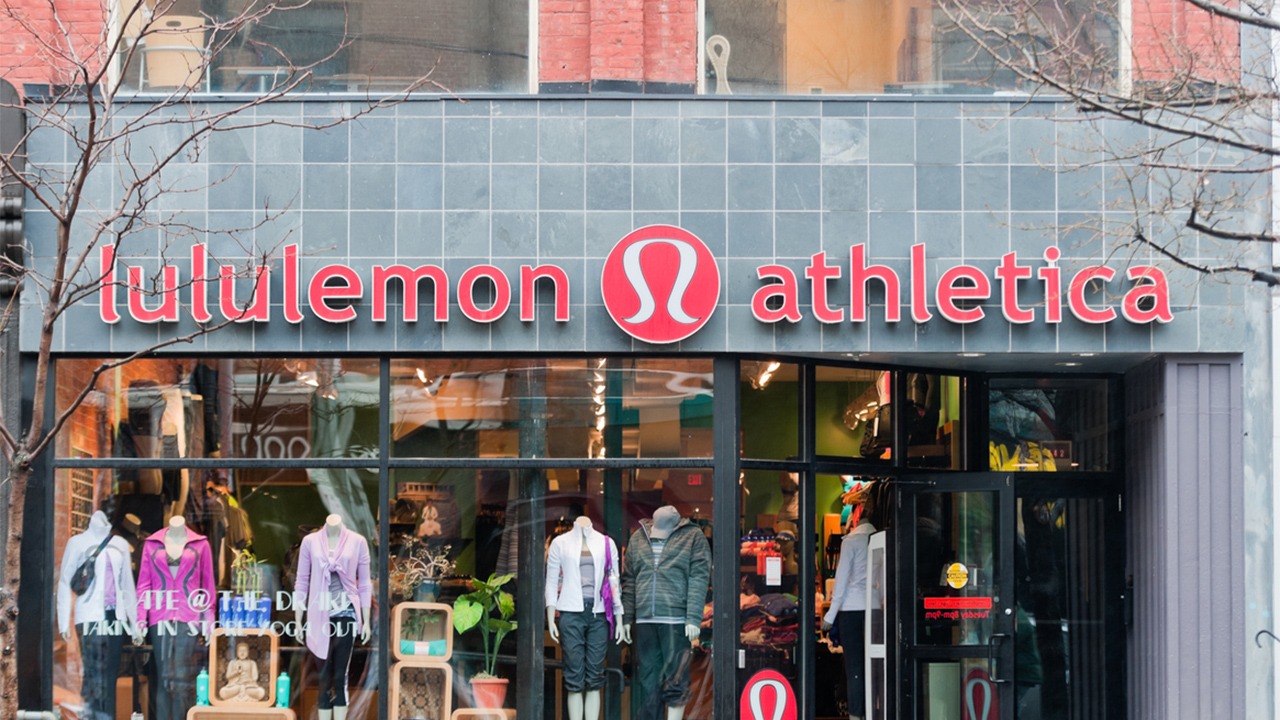
Lululemon Athletica shares climbed in premarket trading after the retailer reached a settlement with founder Chip Wilson, ending a bruising proxy fight that had exposed growing anxiety around the company’s slowing growth and weakening retail momentum.
Wall Street welcomed the truce. The larger worry never went away.
The idea that premium retail brands could keep outrunning the economic slowdown is starting to weaken. Shoppers are becoming more selective, household budgets remain tight and retailers across the consumer economy are beginning to sound noticeably more cautious about the months ahead.
Lululemon’s stock is still down nearly 39% this year after growth in the Americas slowed sharply, competition intensified and the company warned tariffs and weaker demand would weigh on results through fiscal 2026.
Under the agreement, Lululemon will appoint two of Wilson’s nominees to the board, including former On co-CEO Marc Maurer and former ESPN Chief Marketing Officer Laura Gentile, while adding another apparel-focused director later this year. Wilson agreed to stop publicly criticising the company for roughly 18 months as part of the deal.
The settlement removes a public corporate battle at an awkward moment for the retail sector.
For years, Lululemon looked insulated from many of the pressures hurting other consumer brands. Wealthier shoppers kept spending. Sales kept growing. Investors treated the company as one of retail’s safest long-term bets. That sense of safety is fading.
Consumers have not stopped spending altogether. But the easy-spending environment that helped drive retail growth through recent years is starting to disappear as borrowing costs stay elevated and affordability pressure continues building across household finances. Retail executives are now watching closely for signs that the slowdown is moving further up the income ladder.
That shift matters because premium brands often act as an early signal for broader economic behaviour. When higher-income shoppers begin pulling back on non-essential purchases, markets start questioning how much spending strength is really left underneath the wider economy.
For years, premium retail looked protected. Suddenly it doesn’t. Lululemon is also dealing with a cooling athleisure market just as rivals such as Vuori and Alo Yoga continue gaining momentum. At the same time, tariffs tied to Asian manufacturing are squeezing retailers already struggling with slower shopping activity and rising costs.
The proxy battle only intensified the pressure surrounding the company.
Wilson publicly criticised management and pushed aggressively for greater board influence while Lululemon accused the founder of promoting “outdated perspectives” that risked disrupting its turnaround efforts. Public boardroom fights rarely help when a company is already losing momentum.
Across the retail sector, companies are becoming more defensive as growth slows and shoppers turn increasingly cautious about where money goes. Hiring plans are becoming harder to justify, expansion is slowing and investors are reacting far more aggressively to weak forecasts or disappointing earnings updates. The concern now stretches well beyond yoga pants and activewear.
Retail earnings are starting to reveal a consumer that looks more financially stretched than many businesses expected earlier this year. Spending has not collapsed, but households are becoming far more selective, especially as inflation, debt costs and affordability pressures continue eating into disposable income.
For investors, the bigger concern is no longer whether Lululemon can settle a boardroom fight. It is whether retailers across the economy are quietly starting to face a consumer that simply wants — and can afford — less.