A draft US-Iran peace framework aimed at reopening the Strait of Hormuz is calming immediate fears of a deeper energy crisis, but the disruption has already exposed how quickly instability can move through the global economy and into ordinary life. Within days, fuel trading, shipping routes, fertilizer supplies and home energy bills were all moving in the wrong direction.
Under the proposed arrangement, Iran would restore commercial shipping through the Strait of Hormuz to pre-war levels within 30 days, while the United States would reportedly withdraw military forces from Iran’s vicinity and ease parts of the naval blockade that has disrupted trade since the conflict escalated.
Markets welcomed the talks cautiously rather than confidently.
Oil prices eased slightly after weeks of volatility that pushed Brent crude close to $100 a barrel, but traders remain uneasy about how durable any agreement may actually prove. The conflict has already shown how little disruption it now takes to push prices higher far beyond the Gulf.
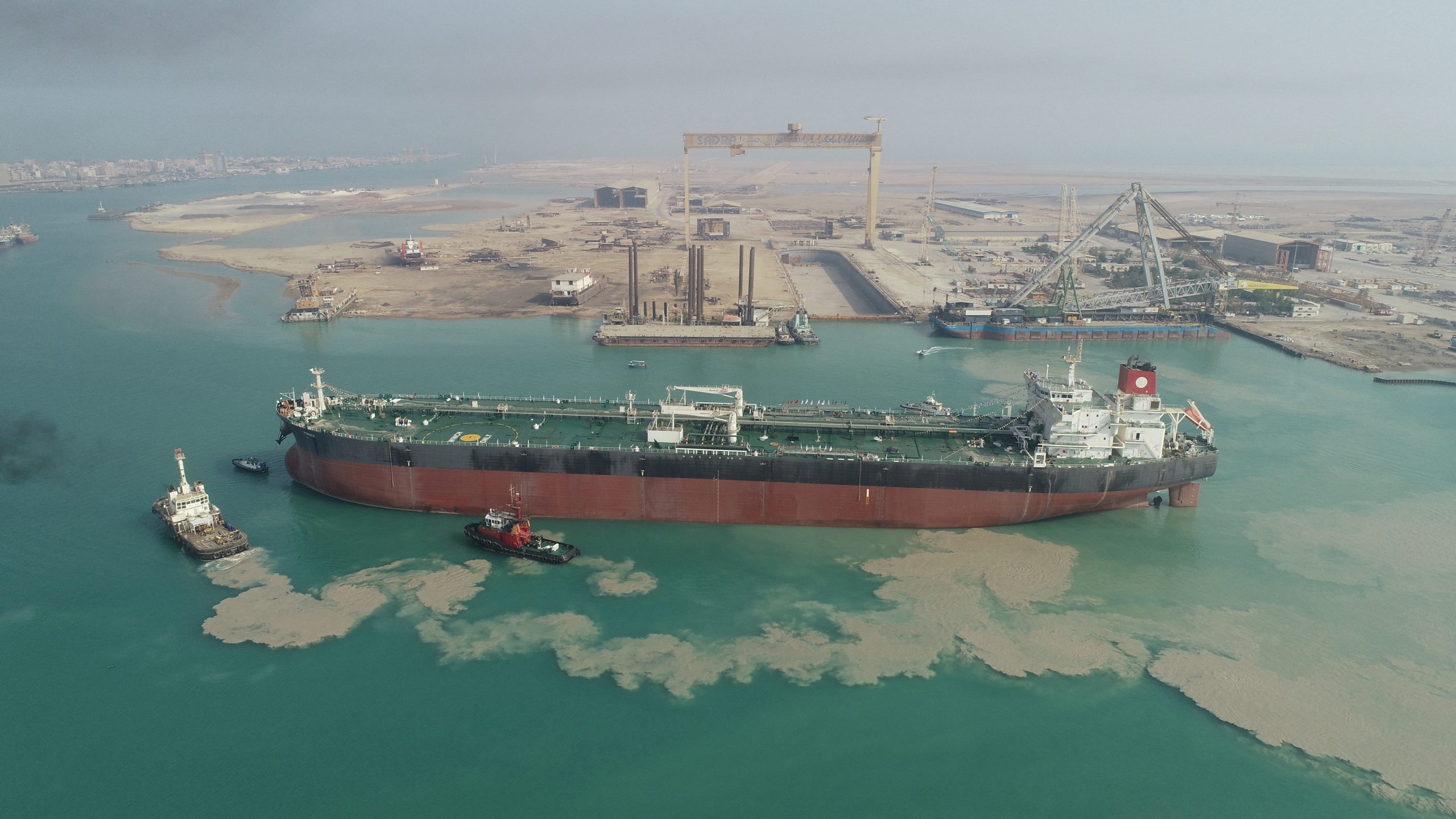
Hormuz carries roughly one-fifth of the world’s energy supplies. Once shipping traffic slowed and insurers began reassessing regional risks, the effects spread quickly outward. Airlines faced higher fuel costs. Fertilizer shipments were delayed. Governments started preparing for inflation risks that may not fully hit households until later in the year.
In Britain, regulator Ofgem announced a 13 percent increase to the household energy price cap beginning in July, directly linking the rise to higher wholesale gas prices tied to instability in the Middle East. And that is when the disruption starts reaching everyday life.
European households were already dealing with stretched budgets, expensive borrowing costs and years of inflation fatigue. Another rise in energy bills could push many families back into the cautious spending habits they were only beginning to escape, just as companies across Europe are already seeing slower consumer demand.
Some firms are quietly delaying expansion plans again. Others are becoming more hesitant about hiring as fuel and transport costs become harder to predict.
Fuel traders are not the only ones watching Hormuz anymore. Iranian President Masoud Pezeshkian described the current conflict as an “economic war”, accusing Washington of trying to weaken Iran by targeting livelihoods and economic resilience rather than simply military infrastructure.
Investors are still questioning whether any peace arrangement can hold long enough to calm markets properly. Major disputes remain unresolved, including the future of Iran’s enriched uranium stockpile and the scale of future US military positioning near the Gulf.
The wider economy was already becoming harder to stabilise before Hormuz became unstable.
Governments are already struggling to calm frustration over living costs across Europe. Central banks still cannot fully control inflation without risking weaker growth, while companies are becoming more cautious about investment and expansion. Consumers are changing too. People are delaying purchases they would have made far more confidently a few years ago.
By now, the cycle looks familiar. A geopolitical shock hits energy markets, transport costs rise, food systems tighten and people end up paying for it months later through bills, prices and shrinking financial breathing room.
The Strait of Hormuz may reopen fully within weeks. The wider problem is that households, companies and governments now behave as if another disruption is always around the corner.