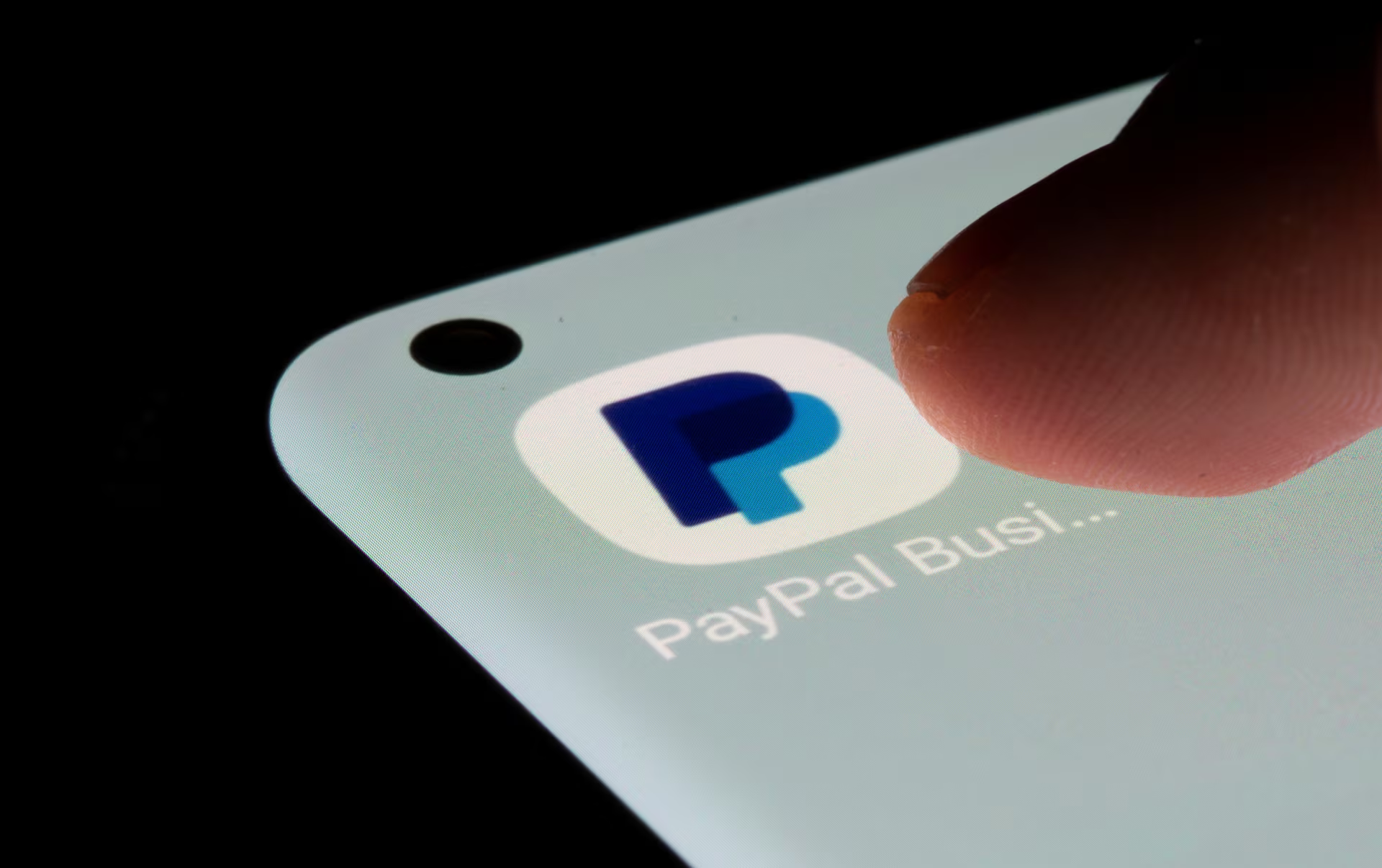
PayPal suddenly looks less like a company dealing with a rough stretch on Wall Street and more like a warning sign for a digital economy that is becoming harder, slower, and less forgiving.
After disappointing investors with weak growth in its core checkout business, PayPal is moving deeper into restructuring, layoffs, and AI-driven cost cutting as executives try to steady a business that once looked nearly untouchable during the online spending boom.
A weak quarter is now raising much bigger questions. The company’s branded checkout business — the part most closely tied to online shopping activity — grew just 2% last quarter. That figure landed badly in a market already uneasy about softer consumer spending and weaker momentum across large parts of digital commerce.
Shares fell sharply after earnings and the stock remains far below the highs reached during the pandemic years, when online shopping exploded and payment platforms seemed positioned for endless growth.
Competition was already becoming a problem. Slower spending is making the situation harsher.
Apple continues pulling users toward Apple Pay as more consumers rely on phones instead of manually entering payment details online. Buy now, pay later firms like Affirm and Klarna have also changed spending habits, especially among younger shoppers trying to make tighter monthly budgets stretch further.
Peer-to-peer platforms like Cash App and Zelle have chipped away at parts of the everyday payment activity that once flowed naturally through PayPal’s system.
Markets are becoming increasingly uneasy that the slowdown may not stop with one company.
Across the U.S. and Europe, households have become more defensive with money. Borrowing still feels expensive. Everyday costs remain uncomfortable for many families. People are thinking harder before buying things online, and purchases that once felt automatic now come with more hesitation, more price checking, and more second thoughts.
Payment companies tend to feel those shifts early because they sit directly in the flow of consumer behavior.
Now the strain is reaching fintech companies themselves.
PayPal’s leadership has outlined plans to reorganize operations, rely more heavily on artificial intelligence, and cut costs as part of a broader turnaround effort. Reports that layoffs are being prepared in parts of the company’s international business have added to signs that fintech firms are becoming far more defensive as slower growth collides with investor demands for tighter performance.
The mood is shifting across the technology sector more broadly.
Only a few years ago, growth mattered more than efficiency. Now investors want stronger margins, leaner operations, and fewer excuses when revenue slows. AI is becoming part of that adjustment too, not simply as a growth tool but as a way for companies to automate work, reduce layers, and control spending more aggressively.
For workers tied to digital commerce and fintech, the atmosphere feels noticeably different than it did during the pandemic boom.
The surge in online spending created enormous demand for engineers, payments specialists, product teams, and e-commerce infrastructure. Digital finance once looked like one of the safest bets in tech. Now some of those same companies are restructuring while investors push harder for profitability instead of aggressive expansion.
The concern spreading through markets is that PayPal may be one of the first visible signs of a broader slowdown moving through the digital economy.
If consumers continue pulling back on discretionary spending and online transaction growth weakens further, the strain could spread across retailers, payment firms, advertisers, logistics companies, and other businesses that expanded rapidly during years when online spending felt almost effortless.
The digital spending economy that looked unstoppable only a few years ago suddenly feels much more fragile than investors once believed.