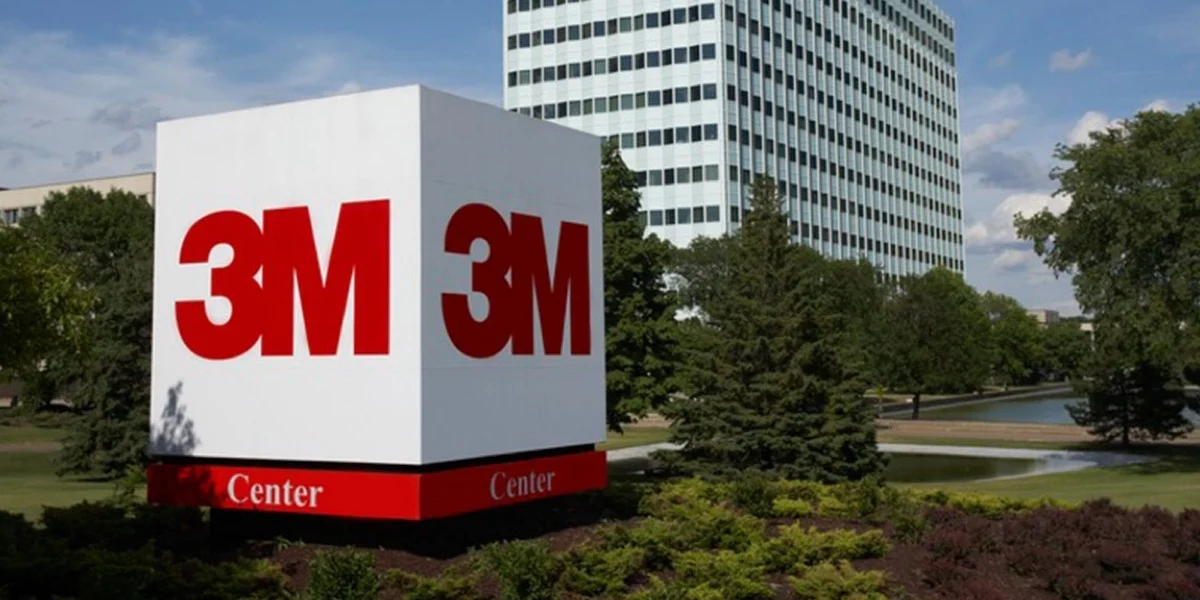
Australia is suing 3M for more than AU$2 billion ($1.4 billion) over PFAS contamination tied to firefighting foam used at Defence bases, opening a legal battle that reaches far beyond one company and into a growing global argument over who absorbs the cost of decades-old industrial pollution.
For Australia, the bill is already enormous. Defence authorities say more than AU$1.3 billion has been spent responding to PFAS contamination, including removing polluted soil and treating billions of liters of affected water near military sites.
Australia filed the case in the Federal Court against 3M and 3M Australia, alleging the company withheld information about environmental risks linked to its aqueous film-forming foam, known as AFFF. The government claims 3M failed to fully disclose what it knew about the environmental impact of the foam and provided assurances about disposal and safety that conflicted with internal knowledge at the time.
3M said it would contest the lawsuit. The company said it never manufactured PFAS in Australia and stopped selling the products there around two decades ago. It also said Australia’s Department of Defence continued using PFAS-containing firefighting foam long after sales had ended.
The case lands as public agencies around the world face mounting remediation costs tied to chemicals and industrial products once treated as routine parts of modern manufacturing. What looked manageable years ago is now colliding with strained public budgets, environmental cleanup programs and rising political pressure over taxpayer-funded contamination responses.
PFAS chemicals were widely used because they resisted heat, grease and water and proved highly effective in fighting fuel fires. But the chemicals do not easily break down in the environment, leaving governments and local communities dealing with contamination concerns years after the products were used.
For people living near affected Defence sites, the issue stopped feeling technical a long time ago.
In 2018, residents near Richmond Air Base outside Sydney were warned to reduce consumption of locally produced fish and eggs after PFAS was detected in nearby groundwater. Situations like that can linger over communities for years, feeding anxiety about water safety, property values and whether public authorities acted quickly enough once contamination became visible.
The financial strain tied to those responses is becoming harder for governments to contain quietly. Contaminated land investigations, water treatment systems and long-term environmental monitoring can stretch on for years, especially when pollution spreads beyond the original source sites.
Australia’s legal action reflects a broader shift now taking shape internationally. Governments under budget pressure are becoming less willing to absorb large-scale remediation costs without trying to recover money from manufacturers tied to older industrial chemicals and products.
That creates a growing liability problem for corporations already facing wider scrutiny over PFAS-related claims. The risk is no longer limited to legal settlements alone. Investors, insurers and regulators are paying closer attention to how long-term environmental liabilities could continue spreading through balance sheets and public systems for years to come.
The court will decide whether Australia’s allegations succeed. But the larger fight is already moving well beyond this case. Cleanup costs linked to older industrial products are still growing, and governments facing tighter budgets no longer seem willing to carry those burdens alone.