Roughly 8% of Americans remained without health insurance in 2025, according to new federal data, but the country’s healthcare safety net is entering a far less stable period as Medicaid cuts and expiring Affordable Care Act subsidies threaten to push millions out of coverage over the next several years.
The figures, released by the Centers for Disease Control and Prevention, arrive while many households are already struggling with higher rent, food costs, debt payments and rising borrowing expenses. For some families, health insurance is starting to feel less like protection and more like another bill they are struggling to keep up with.
Although the uninsured rate stayed broadly unchanged from 2024, the actual number of uninsured Americans still rose by around 800,000 people last year, including roughly 300,000 children. Population growth partly explains the increase, but healthcare researchers warn much larger shifts may now be approaching as federal support programs begin fading.
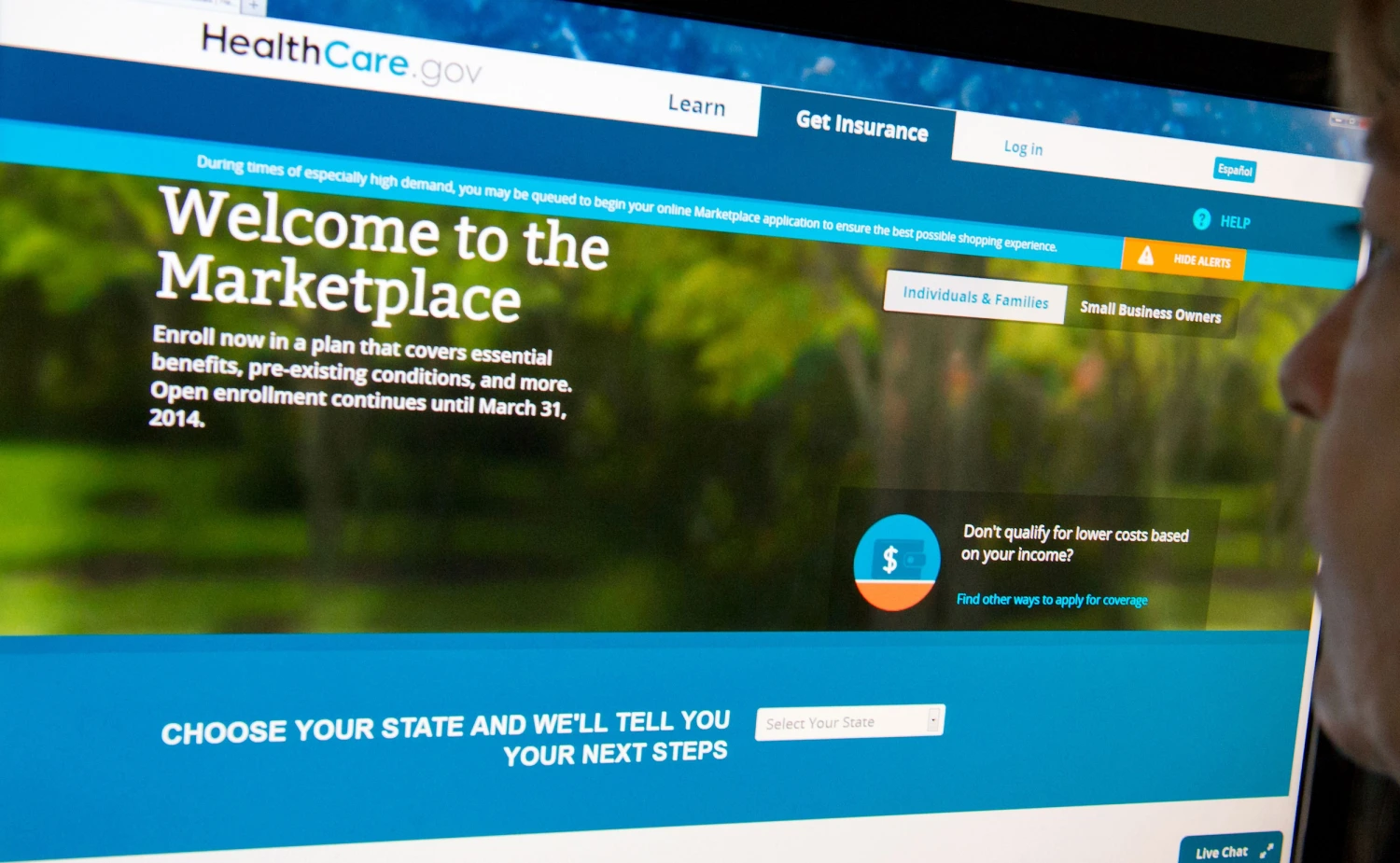
Changes passed to Medicaid last year are projected by the Congressional Budget Office to leave around 10 million more people uninsured over the next decade. At the same time, enhanced Affordable Care Act subsidies that helped many Americans afford marketplace plans are expiring, with healthcare research nonprofit KFF estimating that ACA enrollment could fall by roughly 5 million people in 2026 compared with 2025.
For years, pandemic-era protections helped stabilize insurance access even during layoffs, income swings and labor disruptions. That temporary stability is fading quickly. States are reassessing eligibility, federal support is shrinking, and insurers are preparing for weaker participation just as medical costs continue climbing.
The consequences stretch well beyond enrollment numbers. Families without insurance often delay doctor visits, skip follow-up treatment or ration prescriptions because they fear the bill waiting afterward. Others are pushing medical balances onto credit cards or personal loans, adding another layer of debt into budgets already strained by housing and childcare costs.
In many parts of the country, losing insurance no longer feels like a temporary setback. For some households, it changes whether they see a doctor at all.
Hospitals and clinics are also exposed when uninsured patients cannot pay for care, particularly in lower-income regions where medical systems already operate under financial strain. As more people fall out of insured status, the effects can move quietly through local economies — affecting healthcare staffing, regional employers and household finances at the same time.
The Trump administration has argued that some projected enrollment declines reflect the removal of fraudulent or ineligible participants from federal programs rather than eligible Americans losing access. Officials have also promoted lower-premium catastrophic health plans and efforts to reduce prescription drug costs for uninsured Americans.
Still, the latest numbers suggest the years of unusually stable insurance participation may already be ending. During the pandemic, federal protections helped push uninsured rates to historic lows. Now many of those safeguards are disappearing just as families are becoming more cautious with spending and less able to absorb unexpected medical costs.
For workers changing jobs, cutting hours or moving into freelance and contract work, employer health benefits are becoming harder to replace. Some people are remaining in jobs they no longer want simply because losing insurance feels too financially risky.
Researchers also noted what appeared to be improved insurance rates among Hispanic Americans, although some experts cautioned that immigration enforcement and population shifts may also be influencing those figures.
The uninsured rate in the United States climbed steadily through the 1980s, 1990s and early 2000s before falling sharply after passage of the Affordable Care Act. Coverage levels improved again during the pandemic years as emergency federal protections expanded access and reduced disruptions.
Now many of those protections are disappearing at the same time household finances are tightening across much of the economy. For families already stretching paychecks across rent, groceries, prescriptions and debt, losing health insurance is starting to feel less like a healthcare issue and more like another sign that financial security itself is becoming harder to hold onto.