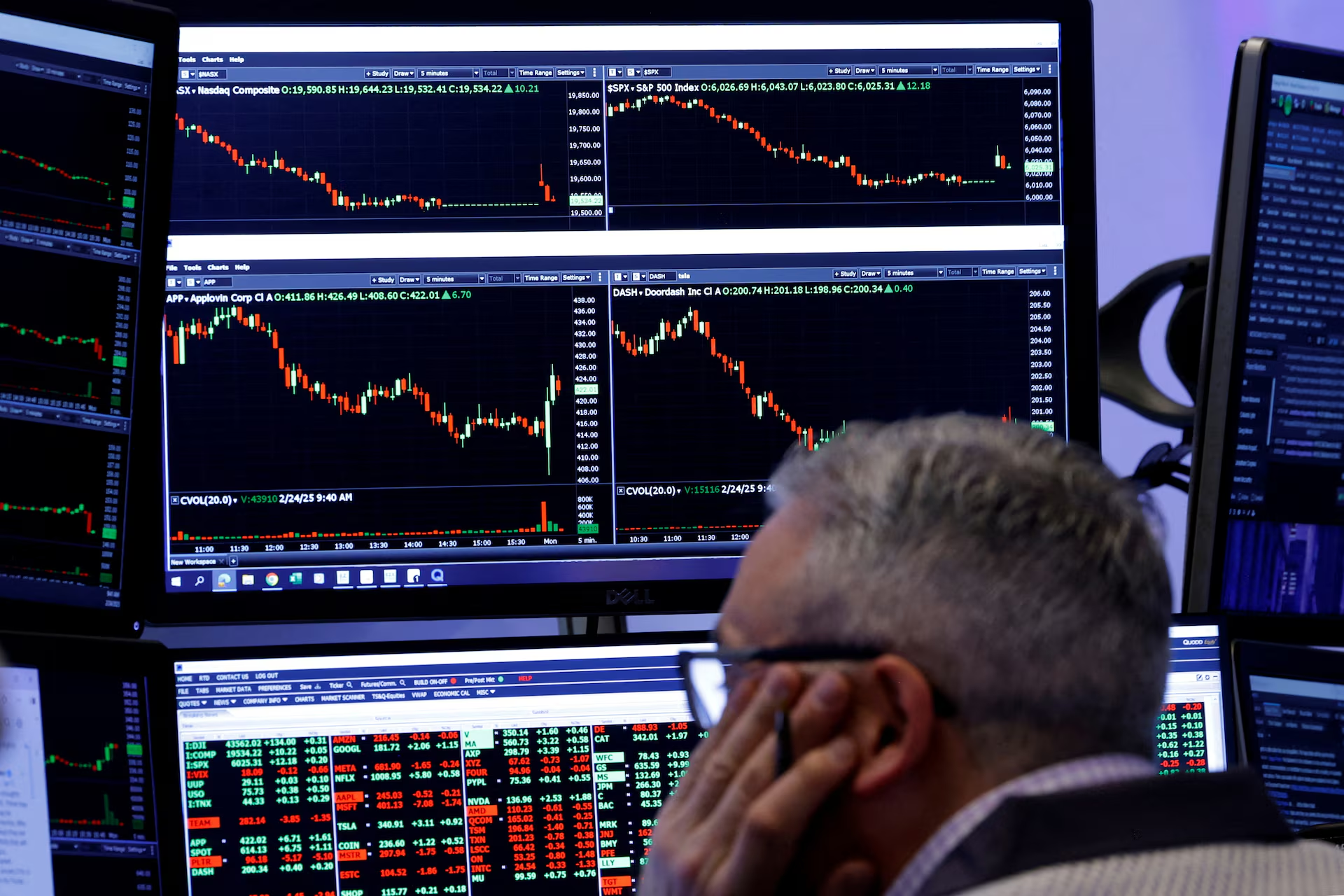
Global markets stumbled Thursday after renewed U.S.-Iran military escalation sent oil prices sharply higher again, reviving fears that fuel costs, borrowing costs and inflation could start pushing back into everyday life just as investors were beginning to believe the worst of the inflation cycle had passed.
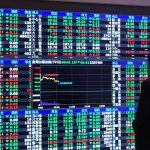
Stocks retreated from recent record highs after fresh U.S. strikes targeting Iranian drone operations and reports of attacks linked to Tehran raised fresh concerns around the Strait of Hormuz, one of the world’s most important oil shipping routes. Oil prices jumped as much as 4% during trading before easing slightly, while bond yields climbed as traders started recalculating how long interest rates may need to stay painfully high.
The timing could hardly be worse for Wall Street.
For weeks, traders had been pouring money back into stocks on hopes inflation was finally cooling and central banks were slowly regaining control. Instead, rising oil prices are threatening to drag financial anxiety back through an economy already weighed down by expensive debt, weak consumer confidence and slower growth.
Brent crude climbed above $96 a barrel and remains roughly 33% above pre-war levels, according to Reuters. Insurance costs tied to shipping through the Strait of Hormuz have also surged as uncertainty around Gulf transit routes deepens. Even limited disruption in the region can ripple quickly through fuel prices, transport costs and supply chains across multiple economies at once.
European stocks slipped lower, U.S. futures weakened and Treasury yields moved higher as traders repositioned around the possibility that higher energy costs could keep inflation elevated well into the second half of the year. Attention is now turning toward upcoming U.S. inflation data after economists projected headline inflation could rise to its highest level in three years.
That tension stretches far beyond financial markets.
Another rise in oil prices would hit households already exhausted by years of expensive groceries, elevated rents and borrowing costs that never eased as quickly as many expected. Businesses facing higher transportation and operating expenses often respond by raising prices themselves, while central banks come under renewed pressure to keep interest rates elevated across mortgages, loans and credit cards.
Fuel prices have become one of the fastest ways for ordinary consumers to feel global instability entering daily life. A jump at the pump can change spending behavior almost immediately, particularly after several years of inflation fatigue and shrinking financial breathing room.
After years of inflation shocks, markets had started acting as though energy-driven price pressure belonged to the past. Thursday’s sell-off suggested that confidence may have been premature.
The dollar strengthened again while gold fell as rising bond yields pushed investors toward safer positioning. It was another reminder of how quickly oil shocks can rattle a fragile global economy.
Boardrooms and supply-chain teams will now be watching oil prices closely. Industries heavily dependent on transport, logistics, manufacturing and imported goods could face another wave of cost strain if crude prices remain elevated through the summer. Consumers meanwhile may start pulling back again if fuel prices continue climbing after a brief period of stabilization.
What really unsettled traders was how quickly inflation fears came roaring back. Only days ago, investors were celebrating record highs and betting the inflation era was finally easing. Now attention has swung back toward oil shocks, rate fears and the possibility that another wave of financial pressure is starting to move through the system again.