Gold prices fell sharply on Wednesday as escalating conflict in the Middle East forced markets to rethink hopes for lower interest rates, raising concerns that households and businesses could face higher borrowing costs for longer. The move reflects growing concern that rising energy costs could keep inflation elevated, squeezing consumers and businesses already dealing with expensive mortgages, credit card debt and stubborn living costs.
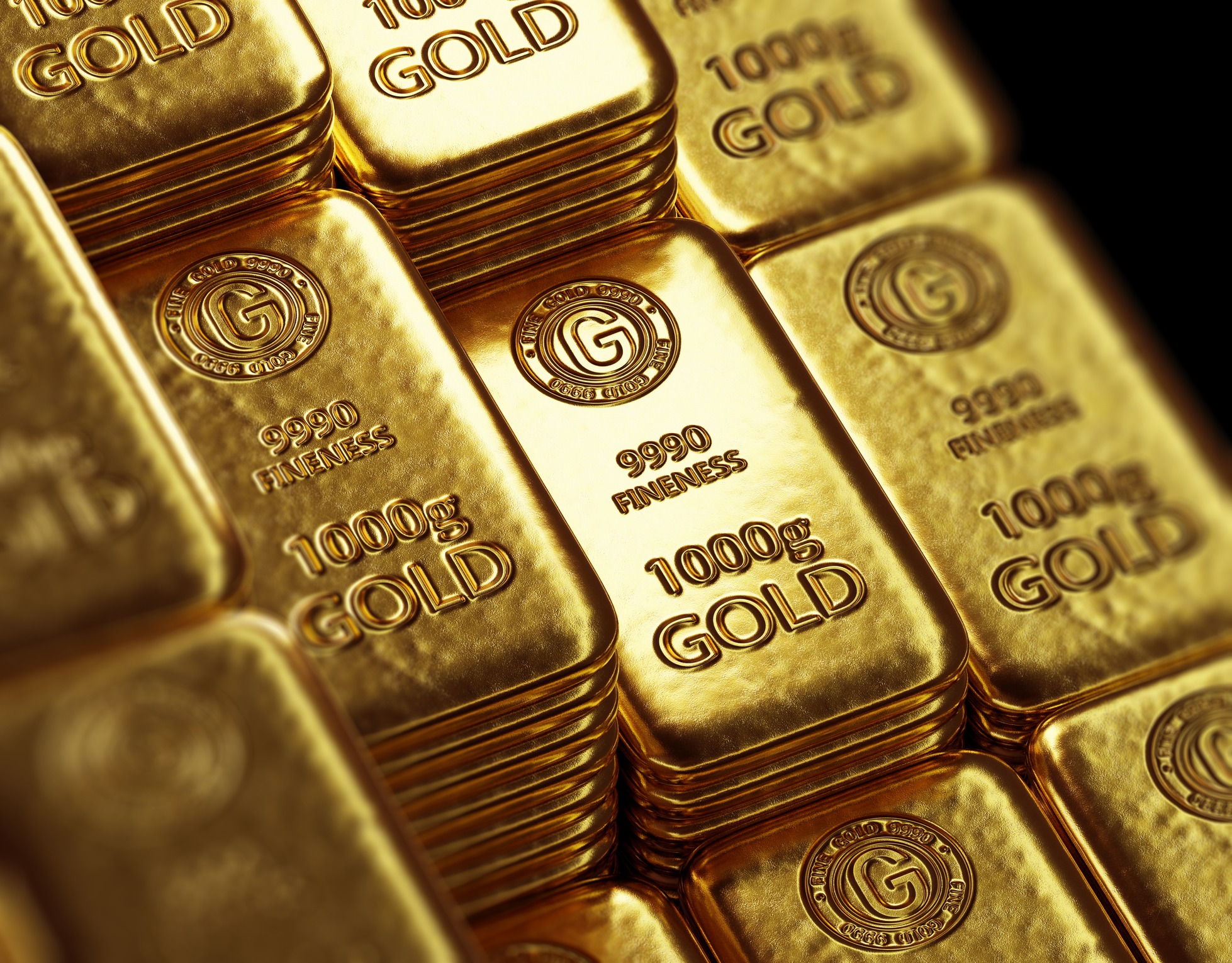
Spot gold dropped 1% to $4,440.99 an ounce, while U.S. gold futures settled 1.2% lower at $4,466.90. Although gold is traditionally viewed as a safe-haven asset during geopolitical turmoil, investors focused instead on the risk that conflict-driven inflation could delay any meaningful easing in borrowing costs.
For households and businesses, that matters far beyond commodity markets. Higher oil prices can filter through transportation, manufacturing and everyday spending, making it harder for inflation to cool. Companies hoping to refinance debt and consumers waiting for mortgage relief could find themselves facing a longer period of elevated costs if energy prices continue rising.
The latest escalation has added fresh uncertainty to global energy markets. Iranian attacks on Kuwait reportedly damaged airport infrastructure and injured dozens, while U.S. military strikes near the Strait of Hormuz heightened concerns about disruptions to one of the world's most important oil transit routes. Any prolonged instability in the region risks pushing fuel and shipping costs higher, creating another challenge for economies that had been expecting inflation to gradually ease.
David Meger, director of metals trading at High Ridge Futures, told Reuters that rising energy prices are expected to lift inflation expectations, potentially leading to higher interest rates and a stronger U.S. dollar. Both developments tend to weigh on gold because the metal generates no yield and becomes less attractive compared with income-producing assets.
Investors are increasingly caught between two competing forces: persistent inflation and expectations that central banks will eventually lower borrowing costs. Until recently, many markets had been positioned for a gradual shift toward easier monetary policy. Renewed geopolitical tensions are making that outcome look less certain.
Federal Reserve officials added to that uncertainty. New York Federal Reserve President John Williams said monetary policy remains appropriately positioned, while Cleveland Fed President Beth Hammack warned that rates may need to rise if inflation shows renewed signs of accelerating.
Wednesday's employment data suggested higher rates are not yet slowing hiring as much as many economists expected. ADP reported stronger-than-forecast growth in private payrolls during May, pointing to a labor market that continues to hold up despite years of aggressive rate increases.
A stronger jobs market is usually welcome news for workers, but it also makes it harder for the Federal Reserve to justify cutting rates. That could leave mortgage holders, small businesses and consumers paying high borrowing costs for longer than many expected at the start of the year.
Attention now turns to Friday's U.S. nonfarm payrolls report, one of the most closely watched indicators of economic momentum. Another strong reading could strengthen expectations that interest rates will remain elevated well into the second half of the year.
Selling spread across the wider precious metals sector. Silver fell 2.2%, while platinum and palladium each lost 3.5% as the stronger dollar and shifting rate expectations weighed on investor sentiment.
For months, markets had been betting that inflation was moving in the right direction and that cheaper borrowing would gradually return. The latest flare-up in the Middle East has complicated that outlook. If energy costs continue climbing, the path back to lower rates could become longer and far more expensive than many households and businesses were counting on.