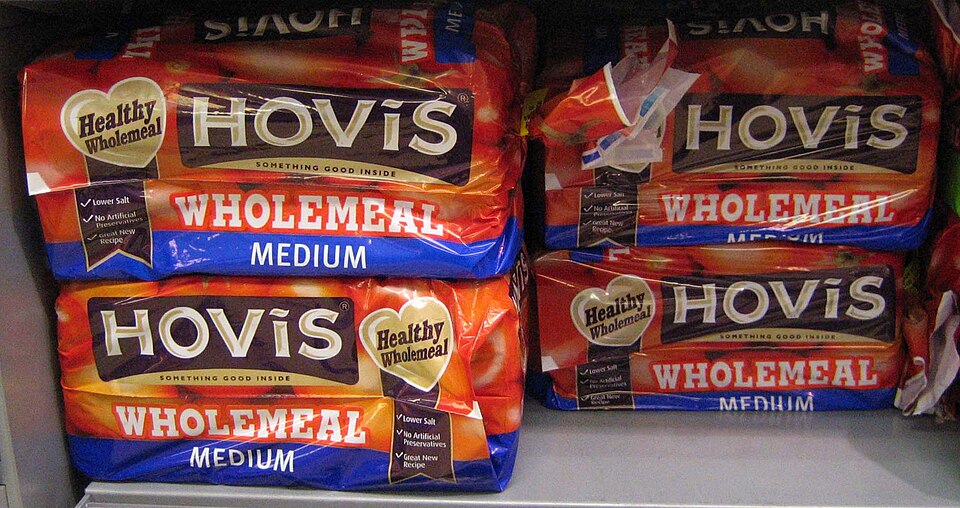
Associated British Foods has secured unconditional clearance from the Competition and Markets Authority to acquire Hovis, ending an in-depth investigation and allowing the Kingsmill owner to merge two of Britain's best-known bread brands. The CMA's independent inquiry group published its final report on 16 June 2026, concluding the deal would not substantially lessen competition across the UK, including in Northern Ireland where the regulator had earlier flagged concerns.
The decision turns on the precarious state of the plant-bread sector. The CMA found that ABF's bakery arm, Allied Bakeries, had made significant losses over the past 14 years and would likely have exited the market had the merger been blocked, removing rather than preserving a competitor. ABF, which makes the Kingsmill and Allinson's brands, agreed in August 2025 to buy Hovis from the private equity firm Endless and combine the production and distribution of Hovis and Allied Bakeries. The watchdog opened its inquiry in December 2025 and fast-tracked it into a Phase 2 investigation in January 2026 under powers introduced by the Digital Markets, Competition and Consumers Act 2024.
The clearance closes a regulatory process that ran for roughly six months and removes the principal execution risk hanging over one of the year's more closely watched UK consumer deals. ABF, a FTSE 100 constituent whose interests span Primark, sugar, grocery and ingredients, had argued the acquisition was the only route to a sustainably profitable bakery business capable of investing in innovation. The transaction leaves Warburtons as the main remaining branded competitor in a market defined by structural decline, as shoppers shift toward sourdough, bagels and protein-enriched alternatives.
The case offers a clear illustration of the "failing firm" reasoning that increasingly shapes UK merger control. The CMA accepted that competition was better served by consolidation than by the collapse of a loss-making operator, a conclusion that carries weight for any board contemplating M&A in a shrinking category. Finance directors weighing deals in mature or declining sectors should note how central detailed financial evidence — losses, exit scenarios, the absence of alternative buyers — proved to securing clearance.
A reassessment of deal feasibility now faces finance teams and corporate development functions across consumer goods, where margin pressure and falling volumes are pushing rivals toward tie-ups. The ABF–Hovis outcome signals that the CMA will clear even market-concentrating mergers where the counterfactual is closure and job losses, provided the evidence is robust. Acquirers in distressed or contracting markets will study this decision closely as they build the financial case for their own transactions, and advisers will treat it as a useful precedent on how far the failing-firm defence can now stretch.
More From Finance Monthly: American Express buys Tripadvisor's TheFork for $700m to deepen dining network