
In early 2026, a familiar debate roared back into public consciousness as Elon Musk’s net worth surged to levels once thought unreachable. Headlines declared him the richest person alive, but the bigger, more enduring question quickly followed: does that make him the richest American of all time?
That question matters more than it seems. America’s history is inseparable from the pursuit of private wealth, and every generation produces its own symbols of financial power. From fur traders and railroad barons to oil magnates and Silicon Valley visionaries, the shape of American wealth has changed dramatically — but the ambition behind it has not.
To fairly compare fortunes built centuries apart, raw dollar figures are meaningless. A million dollars in the 1800s carried vastly more economic power than a million dollars today. That is why this ranking adjusts all fortunes for inflation and broader economic context, allowing modern tech titans to be measured against the industrial giants who built the original American economy.
What emerges is not just a list of names, but a portrait of how America creates wealth — and why the present era may be producing fortunes larger than anything the past could sustain.
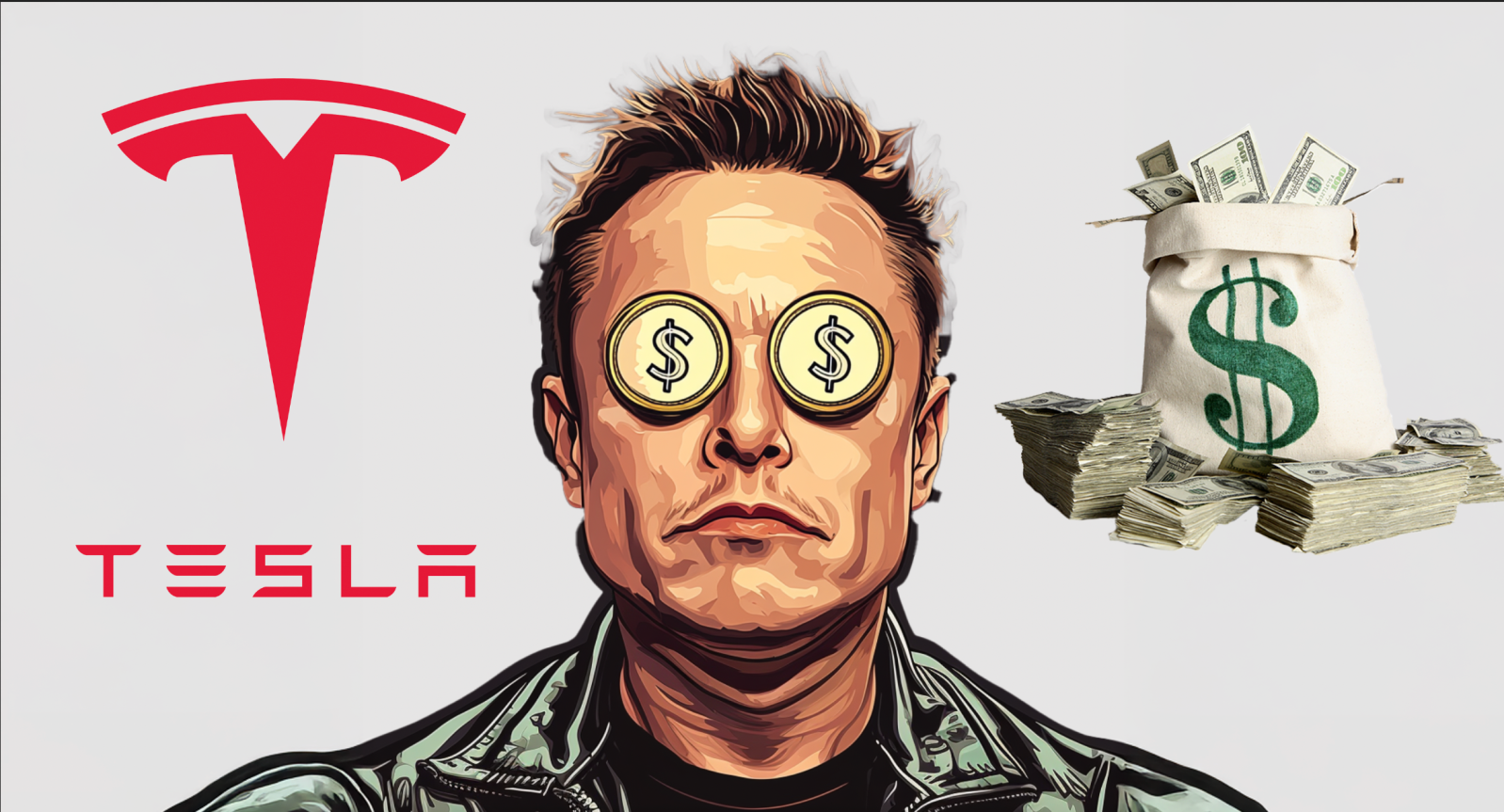
Elon Musk could become the first trillionaire ever if he gets his $1 Trillion payday from Tesla.
How Inflation-Adjusted Wealth Is Calculated
Comparing wealth across centuries requires more than a simple inflation calculator. Inflation-adjusted net worth estimates factor in the relative size of the U.S. economy, purchasing power, asset concentration, and market dominance at the peak of an individual’s fortune.
For historical figures like John D. Rockefeller or Andrew Carnegie, estimates rely on the share of national output their businesses controlled at their height. Rockefeller, for example, once commanded roughly 90 percent of U.S. oil refining capacity — an economic concentration no modern corporation is allowed to achieve today.
For modern billionaires, net worth calculations reflect publicly traded equity values, private company valuations, and liquidity-adjusted holdings. While modern fortunes fluctuate daily with markets, historical fortunes were often tied to monopolistic control over physical infrastructure, land, or natural resources.
This list reflects peak estimated net worth, adjusted into 2026 dollars, offering the clearest possible comparison between eras.
The Richest Americans of All Time (Inflation-Adjusted 2026)
#10: John Jacob Astor — $180 Billion
America’s first true multimillionaire built his fortune through the fur trade before pivoting into New York City real estate. Astor’s land acquisitions later became some of the most valuable property in the world, including the site of the original Waldorf-Astoria. At his death in 1848, his wealth translated to roughly $180 billion today.
#9: Mark Zuckerberg — $227 Billion
The Meta founder transformed a college social network into one of the most powerful data and advertising platforms in history. Zuckerberg’s fortune peaked during the AI-driven tech rally of 2025, placing him among the most influential modern capital accumulators ever recorded.
#8: Jeff Bezos — $259 Billion
From a garage-based startup to a global logistics empire, Bezos reshaped global commerce. Amazon’s dominance in e-commerce, cloud computing, and digital infrastructure pushed Bezos’ inflation-adjusted peak wealth to approximately $259 billion.
#7: Sergey Brin — $267 Billion
As Google’s search engine became the backbone of the internet economy, Brin’s personal stake ballooned alongside Alphabet’s AI and advertising dominance. His fortune reflects the monetization of information itself — a new kind of asset in American history.
#6: Cornelius Vanderbilt — $275 Billion
“The Commodore” amassed enormous wealth through shipping before revolutionizing American railroads. Vanderbilt’s control over transportation arteries made him one of the most powerful economic figures of the 19th century, with a fortune equivalent to $275 billion today.
#5: Larry Page — $287 Billion
Google’s co-founder owned a slightly larger equity stake than Brin, pushing his inflation-adjusted wealth higher. Page’s fortune represents the unprecedented scale of modern data monopolies and digital ecosystems.
#4: Larry Ellison — $393 Billion
Oracle’s founder saw his wealth explode during the AI infrastructure boom of the mid-2020s. As cloud databases became mission-critical to governments and corporations, Ellison briefly surpassed nearly every historical American tycoon.
#3: Andrew Carnegie — $460 Billion
Carnegie built the steel backbone of industrial America before selling US Steel to J.P. Morgan in 1901. At his peak, Carnegie controlled the raw materials that powered cities, railroads, and factories nationwide.
#2: John D. Rockefeller — $500 Billion
For over a century, Rockefeller stood unmatched. Standard Oil’s reach touched nearly every American household, and its breakup only multiplied Rockefeller’s holdings. Adjusted for inflation, his fortune peaked around $500 billion.
#1: Elon Musk — $750 Billion
In 2026, Elon Musk officially reset the upper boundary of private wealth. With SpaceX valued near $800 billion and Tesla regaining momentum, Musk’s net worth reached an estimated $750 billion — roughly 2.5 percent of U.S. GDP. No American in history has ever commanded such a large share of national economic output.
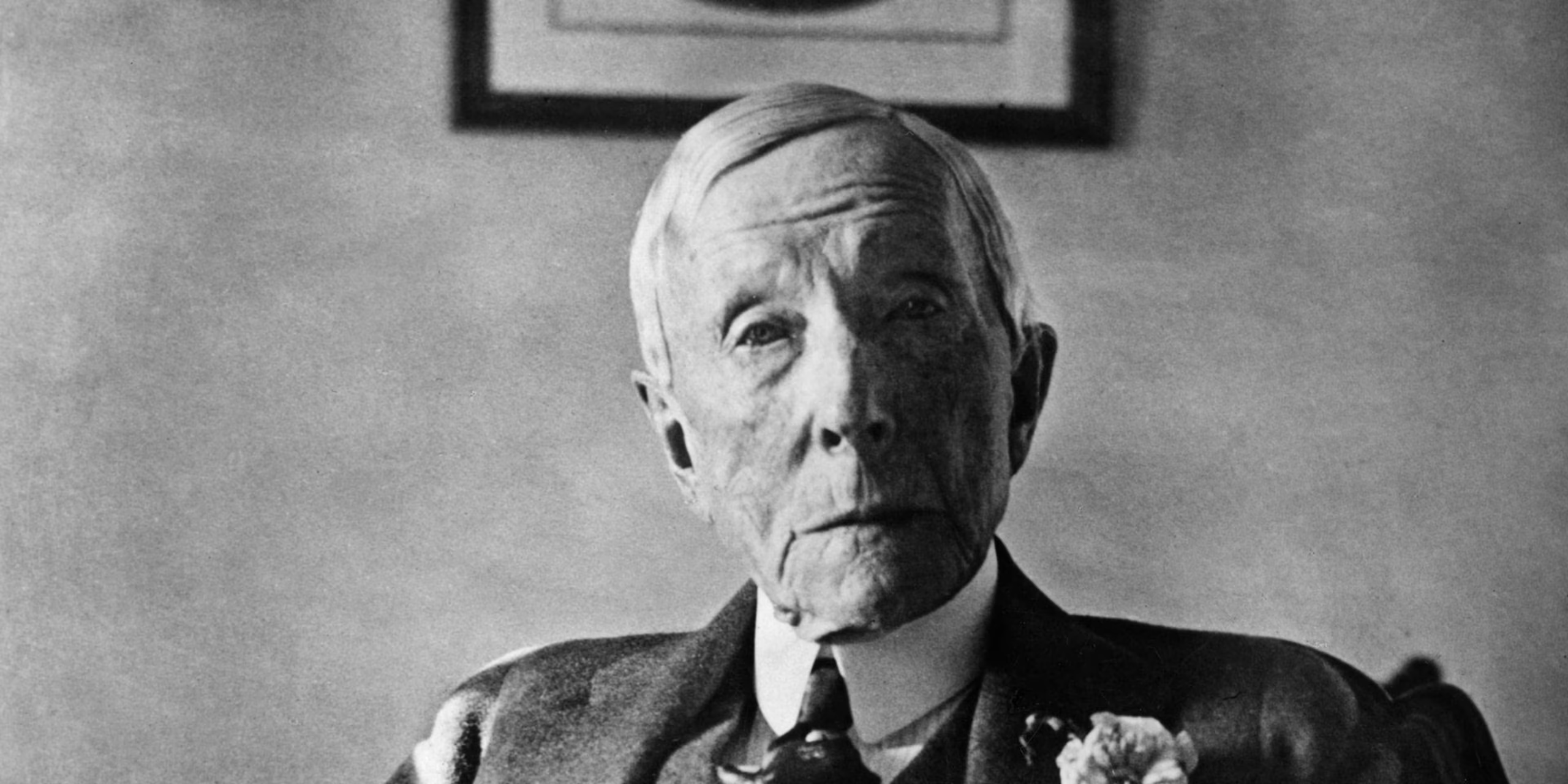
John D. Rockefeller, founder of Standard Oil, whose wealth—adjusted for inflation—made him one of the richest Americans of all time.
Why Modern Fortunes Are Growing Faster Than Ever
Modern wealth scales faster than historical wealth because digital platforms expand without physical limits. Railroads required steel, land, and labor; software requires servers and code. Once built, digital infrastructure compounds globally at near-zero marginal cost.
At the same time, financial markets now reward future dominance more aggressively than past profits. Valuations are driven by projected control over entire ecosystems — transportation, communication, energy, and artificial intelligence — rather than singular industries.
This structural shift explains why modern billionaires can surpass the legendary figures of the industrial age in a fraction of the time.
What This Ranking Reveals About American Wealth
This list is less about individuals than about eras. Each fortune reflects the dominant economic engine of its time — land, steel, oil, data, or space.
It also highlights a sobering truth: wealth concentration today rivals or exceeds the Gilded Age, even as regulation and transparency have increased. The tools have changed, but the outcome — immense private capital accumulation — remains deeply American.

Oracle chairman Larry Ellison addresses the crowd, emphasizing the company’s AI expansion and “chip neutrality” strategy amid market scrutiny and soaring investor expectations.
Insider Insights on America’s Wealthiest
How did the wealth strategies of industrial-era tycoons differ from modern billionaires?
Industrial-era fortunes like Carnegie’s and Rockefeller’s were built on physical assets such as railroads, steel, and oil, relying on long-term monopolies. Modern billionaires leverage technology, software, and globalized platforms, allowing rapid scaling and unprecedented liquidity.
What role does philanthropy play in affecting historical vs. modern net worth?
Many historic figures, such as Carnegie and Rockefeller, gave away substantial portions of their wealth late in life. Modern billionaires like Musk, Bezos, and Zuckerberg strategically donate but often retain a larger percentage of their fortune, which affects how their net worth is calculated today.
How does U.S. economic growth amplify the wealth of top billionaires?
Wealth accumulation is magnified during periods of rapid GDP growth, stock market expansion, and technological booms, allowing modern tech magnates to achieve wealth levels that dwarf historic fortunes in relative terms.
Which industries have historically produced the most top-earning Americans?
Historically, oil, steel, and railroads dominated; today, technology, AI, social media, and e-commerce have taken over, highlighting a shift from physical infrastructure to digital infrastructure as the primary wealth generator.
How do global markets influence the fortunes of modern U.S. billionaires?
Modern billionaires’ wealth is highly tied to global consumer access, international stock markets, and cross-border investments, creating both higher growth potential and volatility compared with the largely domestic-focused industrial tycoons.
The Final Verdict
For generations, John D. Rockefeller represented the ceiling of American wealth. In 2026, that ceiling shattered. Elon Musk’s fortune does not merely exceed historical benchmarks — it redefines them.
Whether this era produces the world’s first trillionaire is no longer a hypothetical question, but a matter of time. The American experiment in wealth creation is far from over, and history suggests its most extreme chapter may still be unfolding.