George R.R. Martin has never shied away from gritty, grimy, borderline absurd moments in his A Song of Ice and Fire novels. But even the creator of Game of Thrones admits the opening scene of the new spinoff, A Knight of the Seven Kingdoms, took him by surprise. In a blunt, refreshingly candid interview with The Hollywood Reporter, the 77‑year‑old author didn’t mince words about the on-screen moment where the show’s lead, Ser Duncan “Dunk” the Tall, is shown defecating while the iconic Game of Thrones theme echoes in the background.
“Yeah, that was a bit of a surprise,” Martin said. “Not to say that my characters don’t take sh—s, but I normally don’t write about them at any length.” When seeing the rough cut, he admitted he scribbled, “‘What is this? Where did this come from? I don’t know if we really need the sh—.’”
Showrunner Ira Parker defended the moment as a creative choice meant to visually foreshadow the mix of bravery and vulnerability that defines Dunk’s journey. Parker explained that the sequence shows Dunk facing the physical reality of heroism—the nervousness, fear, and literal “gut reaction” that comes with stepping into a dangerous and unknown path.
Yet while fans debate the artistic merits of that opening scene, another conversation is rippling across entertainment circles: how much money is at stake for Martin and HBO with this latest Thrones spinoff, and how does a bathroom gag tie into the franchise’s financial strategy?
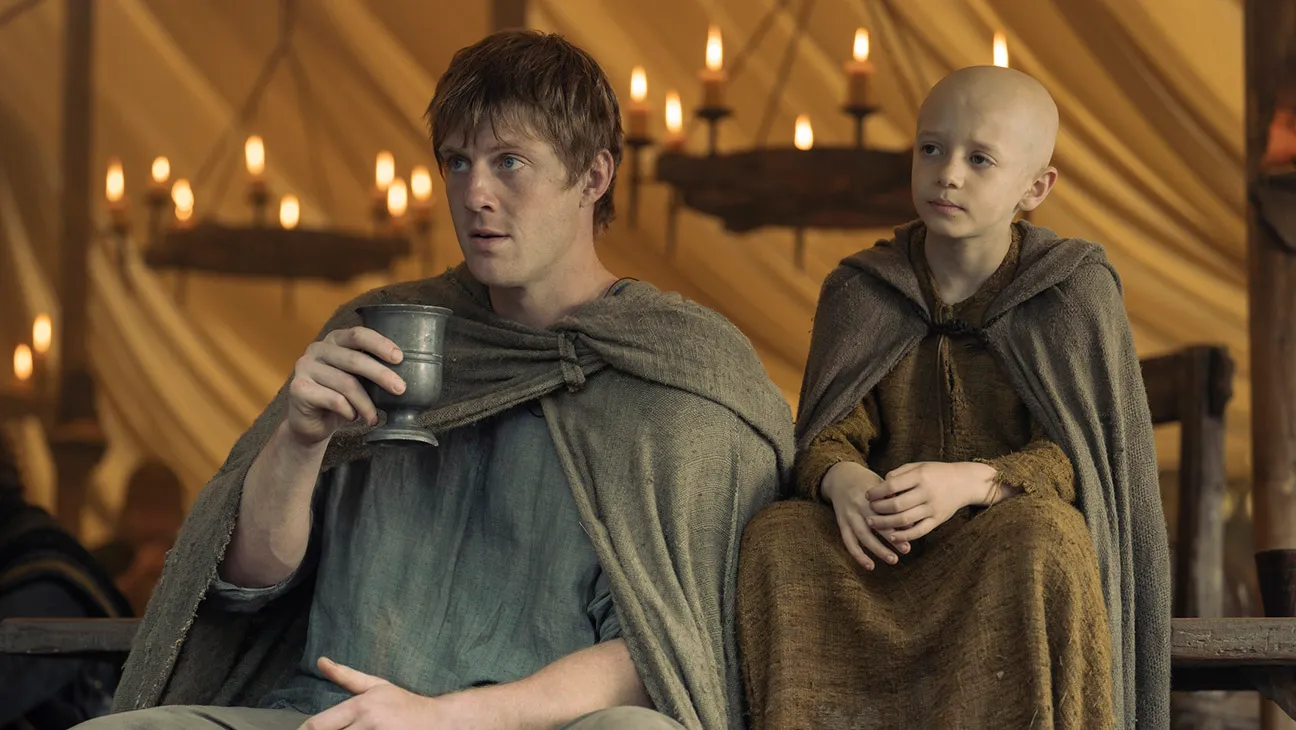
Dunk and Egg sharing a moment, showcasing their mentor-squire relationship in HBO’s AKOTSK.
Why the Poop Scene Is More Than Just Shock Value
The opening scene of Dunk squatting behind a tree has quickly become a viral talking point, but it is more than just shock value. It introduces Dunk as a relatable, fallible hero rather than a mythical figure, while visually conveying the fear and hesitation inherent in embarking on a dangerous journey. Beyond storytelling, this moment generates early buzz, social media engagement, and press coverage, all of which contribute to potentially higher viewership and HBO subscriptions. Martin’s candid reaction humanizes the creator, showing that even the architect of Westeros doesn’t always control what happens on screen—but his work drives both creative and financial outcomes for HBO.
A Knight of the Seven Kingdoms’ Budget: How HBO Keeps Costs Low
Unlike Game of Thrones or even House of the Dragon, A Knight of the Seven Kingdoms operates on a significantly smaller budget. Each episode is being produced for under $10 million, a fraction of the roughly $15 million per episode spent on the final Game of Thrones seasons and far below the $20 million per episode invested in House of the Dragon’s first season.
This approach prioritizes character-driven storytelling over spectacle, focusing on Dunk and Egg's intimate adventures rather than CGI-heavy dragons or large-scale battle sequences. Francesca Orsi, HBO’s head of drama, emphasized that battle sequences in AKOTSK maintain GoT-level quality at a fraction of the cost, establishing a model for efficient, high-end fantasy production.
For a six-episode first season, HBO’s total production outlay likely sits below $60 million, which is modest for premium fantasy television. By contrast, House of the Dragon’s 10-episode first season reportedly cost nearly $200 million to produce, with marketing pushing total investment even higher. This leaner model reduces financial risk while maintaining the narrative and visual richness fans expect.
George R.R. Martin’s Earnings From A Knight of the Seven Kingdoms
Exact figures for Martin’s compensation remain undisclosed, but his broader earning profile provides strong context. Industry estimates place his overall net worth around $120 million as of 2025–2026, largely from book royalties, franchise rights, and television deals. His work as executive producer and creative consultant on Game of Thrones and House of the Dragon earned him roughly $15 million per season, totaling over $120 million across the eight seasons of GoT, excluding backend royalties or syndication.
In 2021, Martin signed a five-year overall development deal with HBO, valued in the mid-eight figures ($50–60 million), which has funded projects including House of the Dragon and this spinoff. Given his executive producer credit and historic compensation model, it’s reasonable to estimate Martin earns $5–10 million from A Knight of the Seven Kingdoms, combining upfront fees, backend streaming or syndication points, and franchise bonuses.
Potential escalators exist if the show extends to multiple seasons, with early reports suggesting plans for up to three based on audience response and Martin’s unpublished Dunk & Egg stories. Annually, Martin generates roughly $25 million, with $10–15 million coming from ongoing book sales of more than 90 million copies worldwide and the remainder from television and other adaptations.
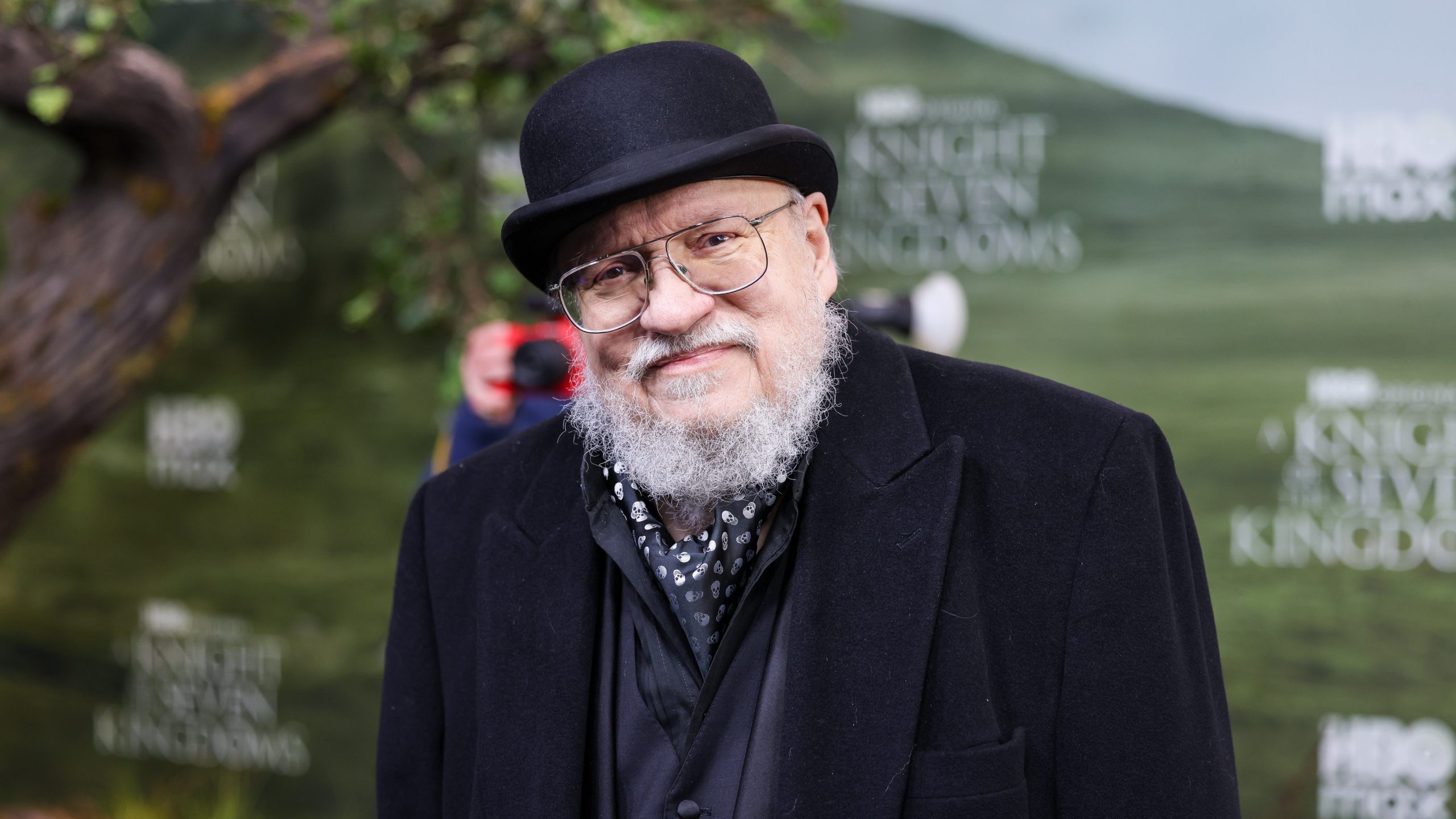
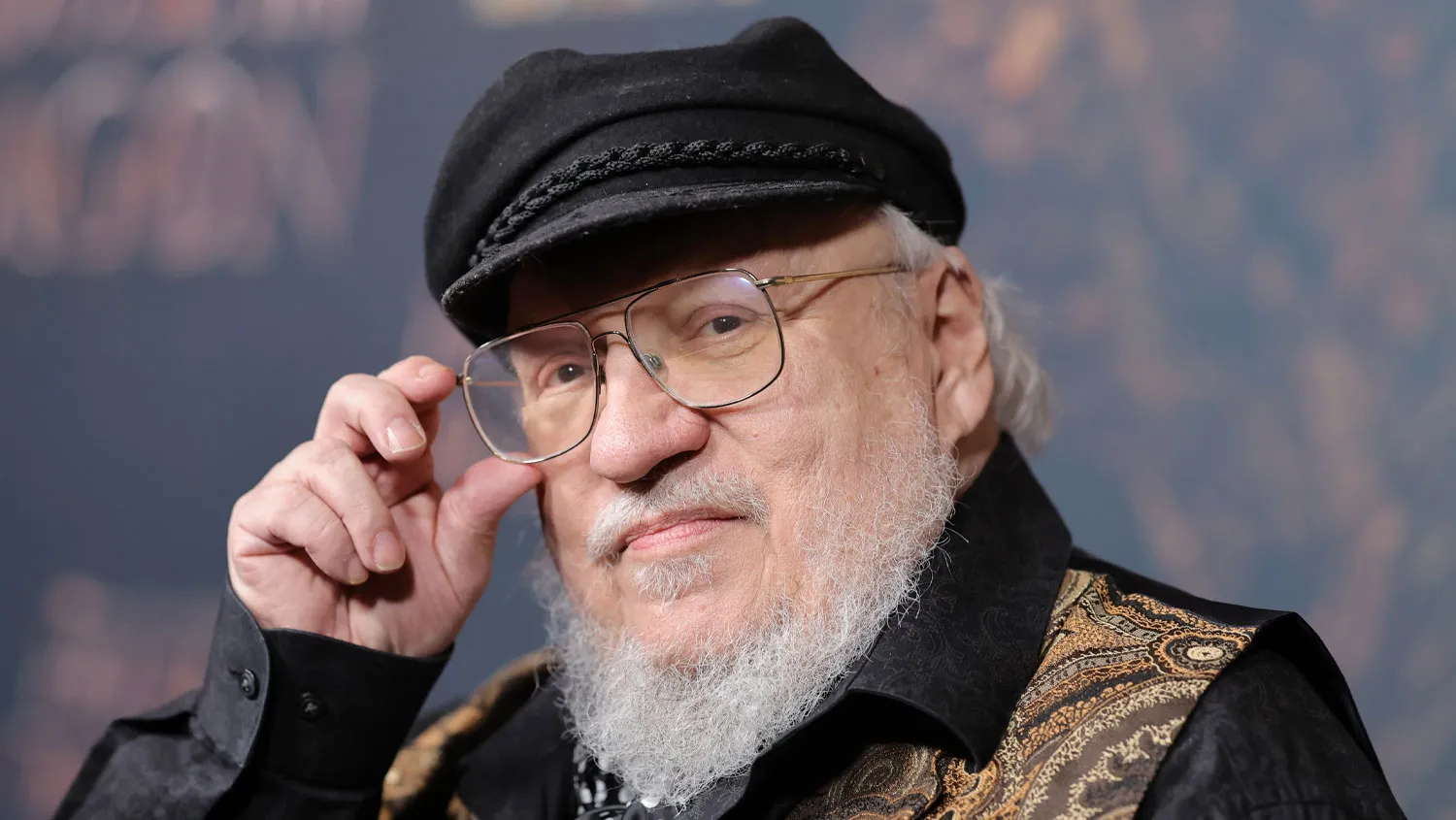
George R.R. Martin smiles on the red carpet, marking the launch of A Knight of the Seven Kingdoms and the expansion of his GoT universe.
HBO’s Financial Bet: Costs, Revenue, and ROI Explained
HBO is making a calculated wager with this spinoff, and that bet has multiple dimensions. A Thrones-branded series—even a smaller-budget one—has proven pulling power. House of the Dragon drove a 20–30% spike in subscriptions during its premiere, and early projections suggest AKOTSK could add 5–10 million global subscribers if it achieves similar engagement.
With a season budget below $60 million, the series doesn’t require blockbuster ratings to be profitable. Efficient production enables HBO to recoup costs through streaming revenue, international licensing deals, syndication to partner platforms, and merchandise or ancillary sales, which can generate $50–100 million per year for the franchise. Compared to House of the Dragon, which required a $200 million investment and a higher performance threshold, AKOTSK represents a leaner, high-margin model, with projected ROI of 2–3x if episodes reach 10–15 million viewers.
Although season one is only six episodes, HBO plans for multiple additional seasons if audience response holds strong, potentially extending total franchise revenue to $200–300 million over time. This aligns with HBO’s broader GoT universe, which has already generated over $2 billion in network profits.
Why Fans Care More Than Ever
The opening poop scene has gone viral, but the deeper story is about how a global media franchise balances creative freedom, financial strategy, and audience expectations. Martin’s reaction shows the man behind Westeros remains human, candid, and engaged. HBO’s strategic gamble demonstrates a shift in television economics, where high-quality storytelling is paired with cost efficiency. Fans are witnessing the franchise evolve: even a smaller, character-focused spinoff can have big cultural and financial impact.
Whether audiences tune in for drama, humor, or sheer curiosity, A Knight of the Seven Kingdoms is already sparking conversation, driving subscriptions, and proving that even modest spinoffs can shape both culture and corporate bottom lines.
People Also Ask: Everything You’re Curious About A Knight of the Seven Kingdoms
Who plays Dunk’s squire, Egg, and what do we know about the character?
Dunk’s diminutive squire, Egg, is played by Dexter Sol Ansell. Egg is a young, intelligent boy of noble birth who travels with Dunk, learning the ways of knighthood while keeping a low profile. The dynamic between Dunk and Egg balances humor, mentorship, and camaraderie, offering audiences a window into Westeros before the political turmoil that later defines Game of Thrones. Their adventures are based on Martin’s celebrated novellas, which explore smaller, more personal stories within the vast GoT universe.
How historically accurate is the world-building in A Knight of the Seven Kingdoms compared to Game of Thrones?
While Westeros is a fictional continent, A Knight of the Seven Kingdoms leans on medieval history for inspiration. Armor, sword-fighting techniques, social hierarchy, and political intrigue are depicted with attention to period detail. This spinoff emphasizes smaller-scale, day-to-day life—from jousting tournaments to local disputes—which makes the series feel more intimate and grounded compared to the larger, epic battles of Game of Thrones or House of the Dragon.
Could the opening poop scene have been edited differently, and why did HBO choose to keep it?
According to showrunner Ira Parker, the scene was intended to establish Dunk’s vulnerability and nervousness as he steps toward his heroic journey. While alternate takes or edits could have minimized the shock factor, HBO chose to keep the scene because it visually communicates the mix of courage and anxiety that defines Dunk. Beyond storytelling, the scene has also become a viral talking point, generating social media buzz and early engagement, which is valuable in today’s streaming landscape.