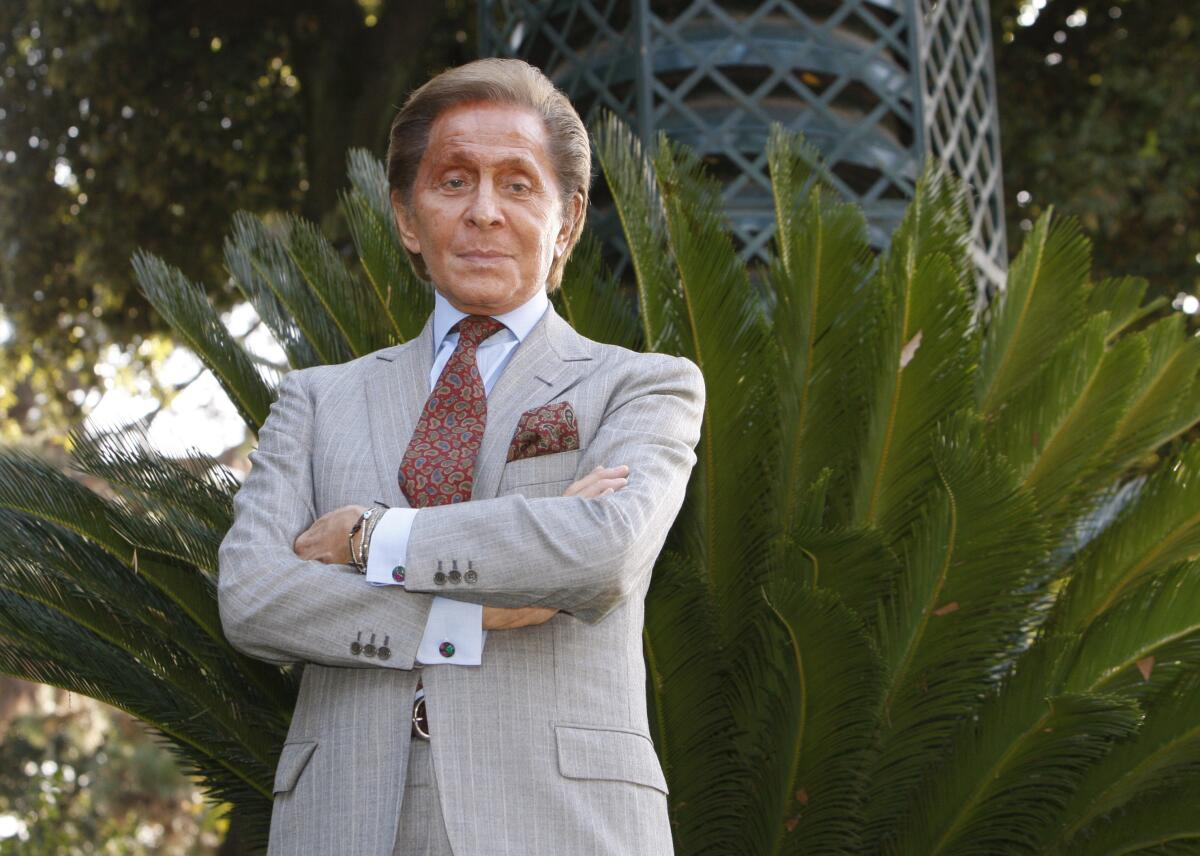
The fashion world reels from the loss of Valentino Garavani, the iconic Italian designer who passed away peacefully at his Rome residence on January 19, 2026, at age 93, surrounded by loved ones, as announced by his foundation. This monumental figure, whose signature red gowns graced stars like Elizabeth Taylor, Julia Roberts, and countless others, leaves behind a legacy of glamour that defined luxury for decades.
As mourners prepare to pay respects at his lying in state in Rome's Piazza Mignanelli on January 21 and 22, followed by a funeral at the Basilica of Saint Mary of the Angels and Martyrs, attention turns to the empire he built, including a net worth estimated at $1.5 billion—a reflection of his unmatched vision, business acumen, and cultural impact.
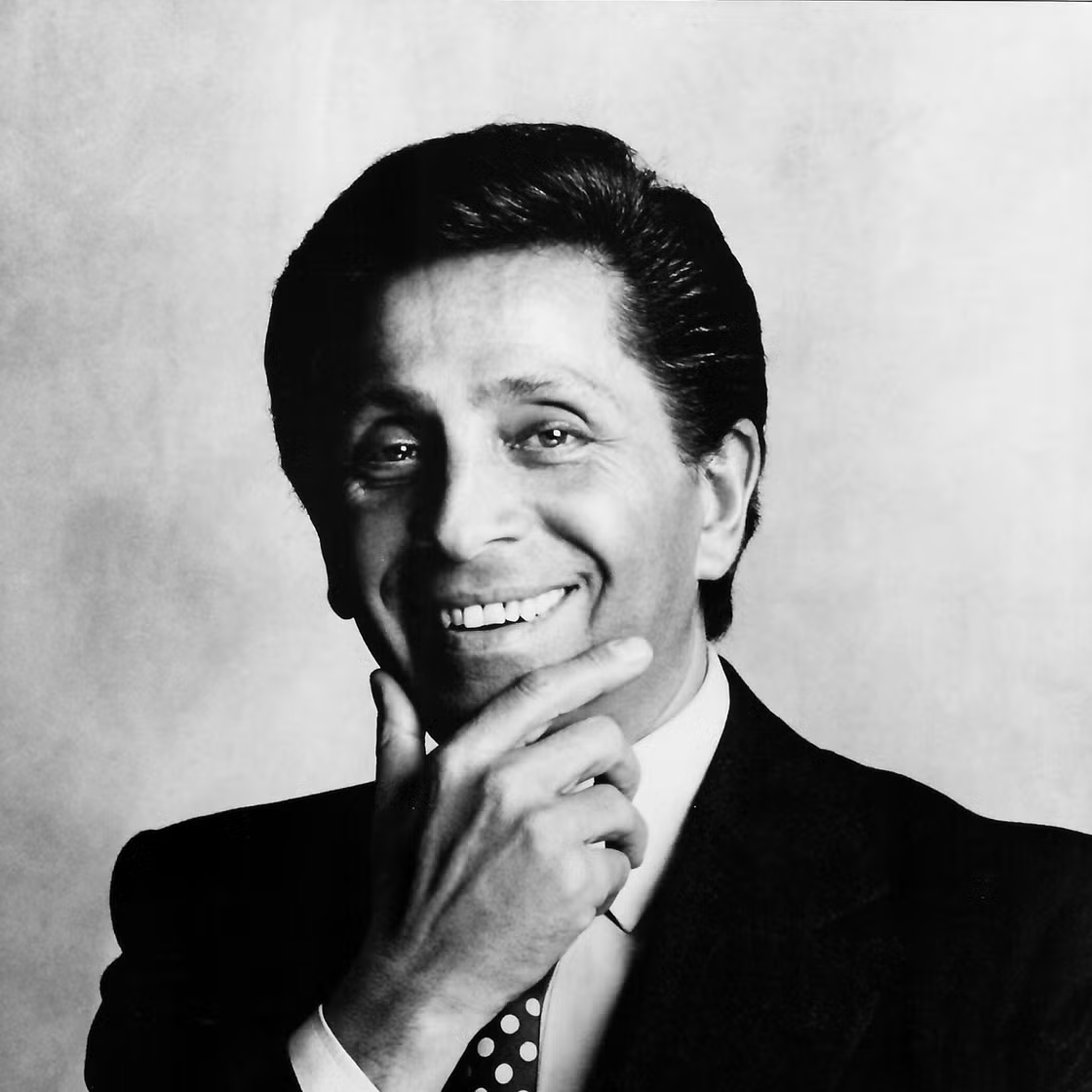
Valentino Garavani strikes his classic hand-on-chin pose in this black-and-white photo, capturing the elegance and contemplation behind his legendary designs.
From Humble Beginnings to Haute Couture Mastery
Valentino Garavani entered the world in May 1932 in Voghera, Lombardy, into a family that nurtured his early fascination with style and elegance. By age 17, he ventured to Paris to enroll at the Chambre Syndicale de la Couture Parisienne, where he refined his craft under the mentorship of legendary designers such as Jacques Fath, Balenciaga, Jean Dessès, and Guy Laroche. These formative years cultivated his love for opulent fabrics, intricate tailoring, and the artistry of haute couture, setting the stage for a career that would redefine Italian fashion for generations.
Returning to Italy, Garavani launched the Valentino fashion house in Rome in 1960 alongside his lifelong partner Giancarlo Giammetti, who managed the business while Valentino focused on creativity. His breakthrough came with the creation of "Valentino red," inspired by a vibrant opera performance he witnessed in Spain, leading to the debut of the iconic fiesta dress.
This bold color choice and attention to detail quickly captured the imagination of celebrities and royalty alike, cementing his status as a global fashion visionary. Over the decades, his designs graced figures from Nancy Reagan to Gwyneth Paltrow, blending timeless elegance with luxury and innovation. Even after his retirement in 2008, when models closed his final runway show in red gowns, Garavani's influence persisted, highlighted by honors such as the 2023 British Fashion Awards Outstanding Achievement Prize.
Breaking Down Valentino Garavani's $1.5 Billion Net Worth
Valentino Garavani amassed his estimated $1.5 billion fortune through a combination of creative genius, strategic business moves, and shrewd investments that transformed his brand into a global powerhouse. The cornerstone of his wealth was the 1998 sale of the Valentino Fashion Group to Italian conglomerate HDP for approximately $300 million.
This deal not only provided immediate capital but also preserved the creative integrity of the brand. In 2002, the Marzotto Group acquired additional stakes for $210 million, and a decade later, Qatari investors purchased the Valentino brand for €700 million. These transactions, alongside ongoing royalties and licensing agreements, ensured that Garavani benefited from both the creative and financial value of his work.
Beyond brand sales, Valentino's wealth was supplemented by consistent revenue streams from haute couture, ready-to-wear collections, accessories, and fragrances. These ventures generated millions annually in royalties and licensing fees, even after his retirement. He also made diversified investments in art collections and cultural projects, which steadily appreciated over time. Analysts attribute approximately $650 million of his fortune to equity from brand sales, around $300 million to royalties, and the remainder to asset growth, painting a picture of disciplined, strategic wealth-building in the competitive luxury sector.
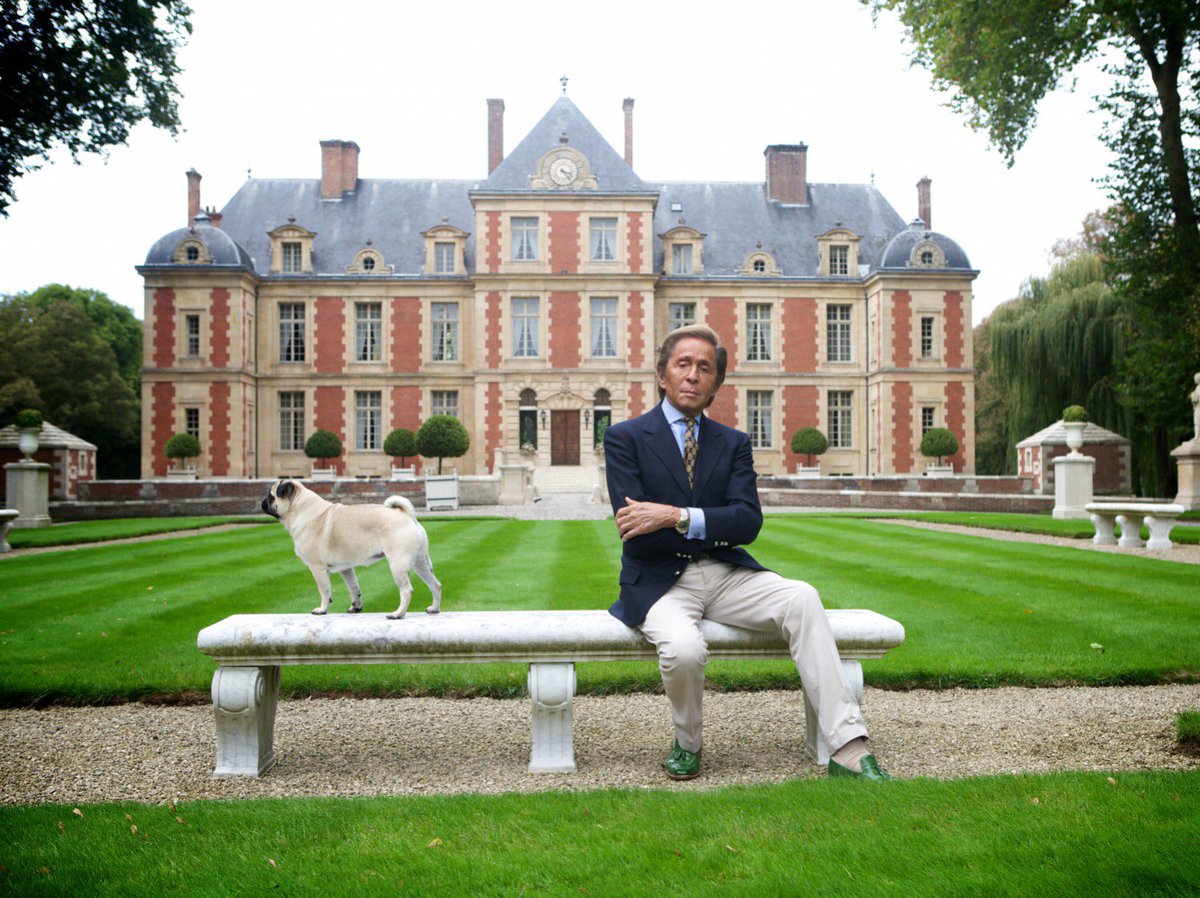
Valentino Garavani enjoys a moment outside his sprawling Paris château, a testament to the elegance and success that defined his iconic fashion career.
Lavish Lifestyle: Homes, Art, and Extravagances
With his fortune, Valentino Garavani embraced a life of refined opulence, investing in properties that mirrored the grandeur of his designs while providing serene escapes across the globe. His real estate holdings, valued at roughly $350 million, included the historic Château de Wideville near Paris, a 17th-century estate complete with manicured gardens, and a villa on Rome's Via Appia Antica, which served as his primary residence. He also owned a 19th-century mansion in London's Holland Park, a Manhattan penthouse, and a chalet in Gstaad, Switzerland, each decorated with exquisite taste in collaboration with renowned designers such as Renzo Mongiardino.
Valentino’s passion for art further accentuated his opulent lifestyle. His collection, valued in the hundreds of millions, featured works by Picasso, Andy Warhol, Jean-Michel Basquiat, and Damien Hirst. He traveled the world via private jet and enjoyed cruising aboard his yacht, TM Blue One, named in honor of his parents. Even his love for pugs inspired a branded line in the 1980s. Beyond indulgence, philanthropy remained central to his life. He established the Accademia Valentino in Rome to host cultural exhibitions and co-founded the Valentino Garavani and Giancarlo Giammetti Foundation, supporting arts education and charitable initiatives.
Valentino’s Business Strategies and Brand Philosophy
Valentino Garavani was more than a designer; he was a shrewd businessman who understood that creativity alone could not sustain a global brand. From the early days of his fashion house in 1960, he combined artistic innovation with strategic commercial decisions. While he remained deeply involved in the couture process, his lifelong partner Giancarlo Giammetti focused on expanding the brand’s global footprint, securing licensing deals, and managing operations.
Together, they pioneered a model in which haute couture served as the aspirational halo, attracting clientele to the broader ready-to-wear lines, accessories, and fragrances. Valentino was meticulous about controlling brand identity, ensuring that every collection, campaign, and collaboration adhered to the elegance and sophistication that defined his name. Analysts note that this balance of creativity and commerce is what allowed his fortune to grow steadily over decades, even as competitors faltered. Today, the Valentino business model is studied in fashion schools as a masterclass in blending artistry with long-term financial sustainability.
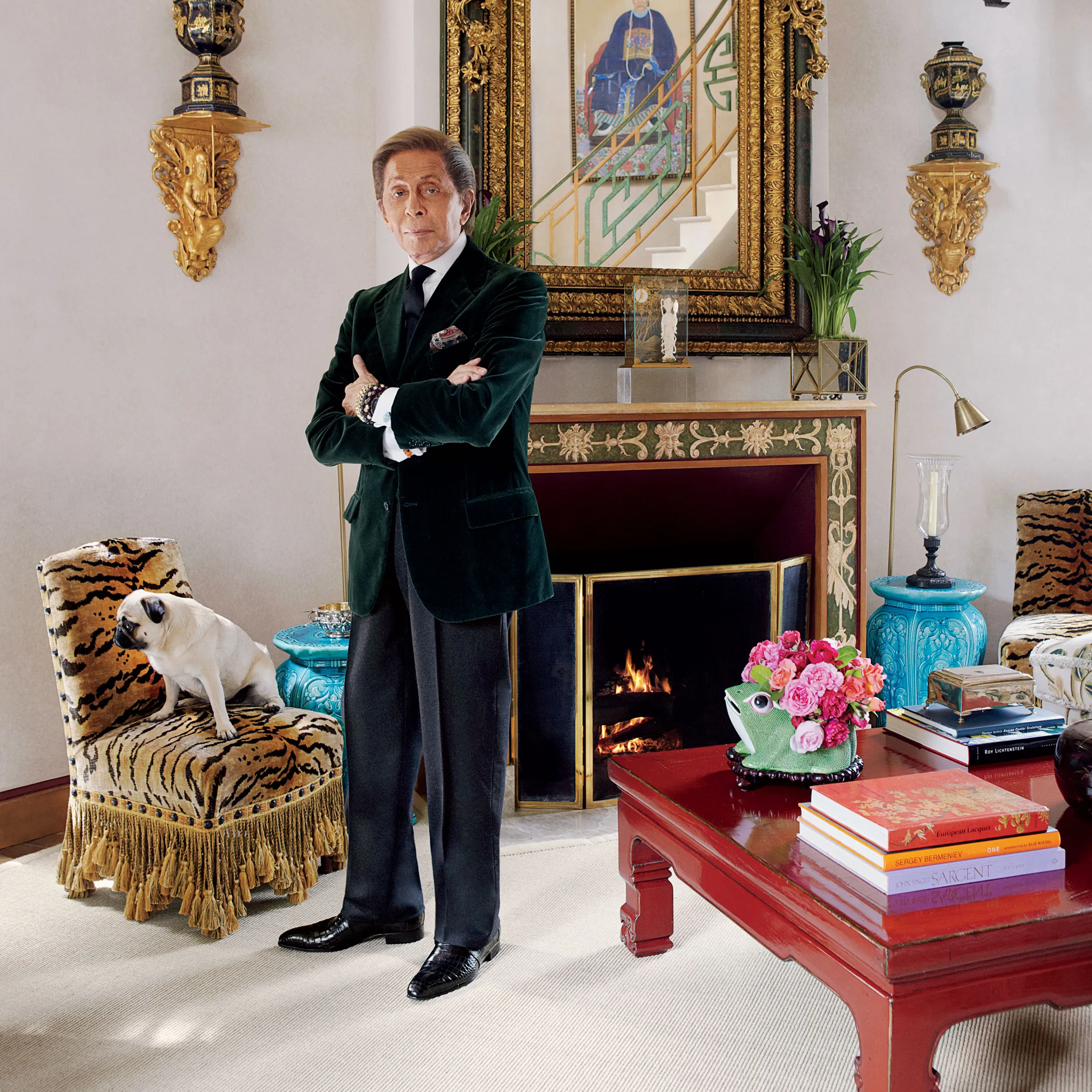
Inside his Paris château, Valentino Garavani is pictured by the mantle, surrounded by carefully curated art and artifacts that reflect a lifetime of style and sophistication.
Philanthropy and Cultural Influence
Valentino’s impact extended far beyond the runway. He and Giancarlo Giammetti established the Valentino Garavani and Giancarlo Giammetti Foundation, dedicated to supporting arts, culture, and education in Italy and internationally. Through exhibitions, scholarships, and grants, the foundation has nurtured young designers, supported contemporary art projects, and preserved Italy’s rich cultural heritage.
Valentino also donated to hospitals, children’s programs, and institutions promoting fashion as a cultural form. These philanthropic efforts were an extension of his vision: that fashion could inspire, educate, and elevate society. By strategically allocating resources to causes that aligned with his passions, Valentino not only reinforced his legacy but also demonstrated how billionaire entrepreneurs can leverage influence for lasting social impact.
A Timeline of Major Fashion Moments
Valentino’s career spanned over six decades, leaving behind a constellation of iconic achievements. Key moments include:
-
1960: Launch of the Valentino fashion house in Rome, introducing a modern vision of Italian luxury.
-
1962: First Paris collection, which immediately drew the attention of top fashion critics.
-
1968: Debut of the first “Valentino red” dress, forever cementing his signature aesthetic.
-
1972–1980s: Expansion into ready-to-wear, accessories, and international boutiques, including flagship stores in Paris, New York, and Milan.
-
1998–2012: Strategic sales of his company to HDP, Marzotto Group, and Qatari investors, which preserved brand identity while generating billions.
-
2008: Final couture collection, celebrating the enduring allure of Valentino red and finishing a storied runway career.
This timeline showcases the trajectory of a designer who combined timeless style with strategic business moves, creating a blueprint for fashion houses to remain relevant and profitable across generations.
Behind the Scenes: Personal Life and Partnership with Giancarlo Giammetti
Valentino’s life was defined by a rare and enduring partnership. Giancarlo Giammetti, his professional and personal partner, was instrumental in building the Valentino empire. While Valentino focused on design, Giancarlo managed operations, cultivated relationships with global clients, and coordinated expansions into new markets.
Their collaboration extended to travel, social events, and cultural patronage, forming a private world that blended creativity, strategy, and friendship. Observers note that the duo’s synergy allowed Valentino to pursue artistic brilliance without distraction, while Giancarlo ensured the business remained robust and financially secure. Their partnership stands as one of the most remarkable in fashion history, demonstrating that even in a high-profile industry, trust and collaboration are essential for long-term success.
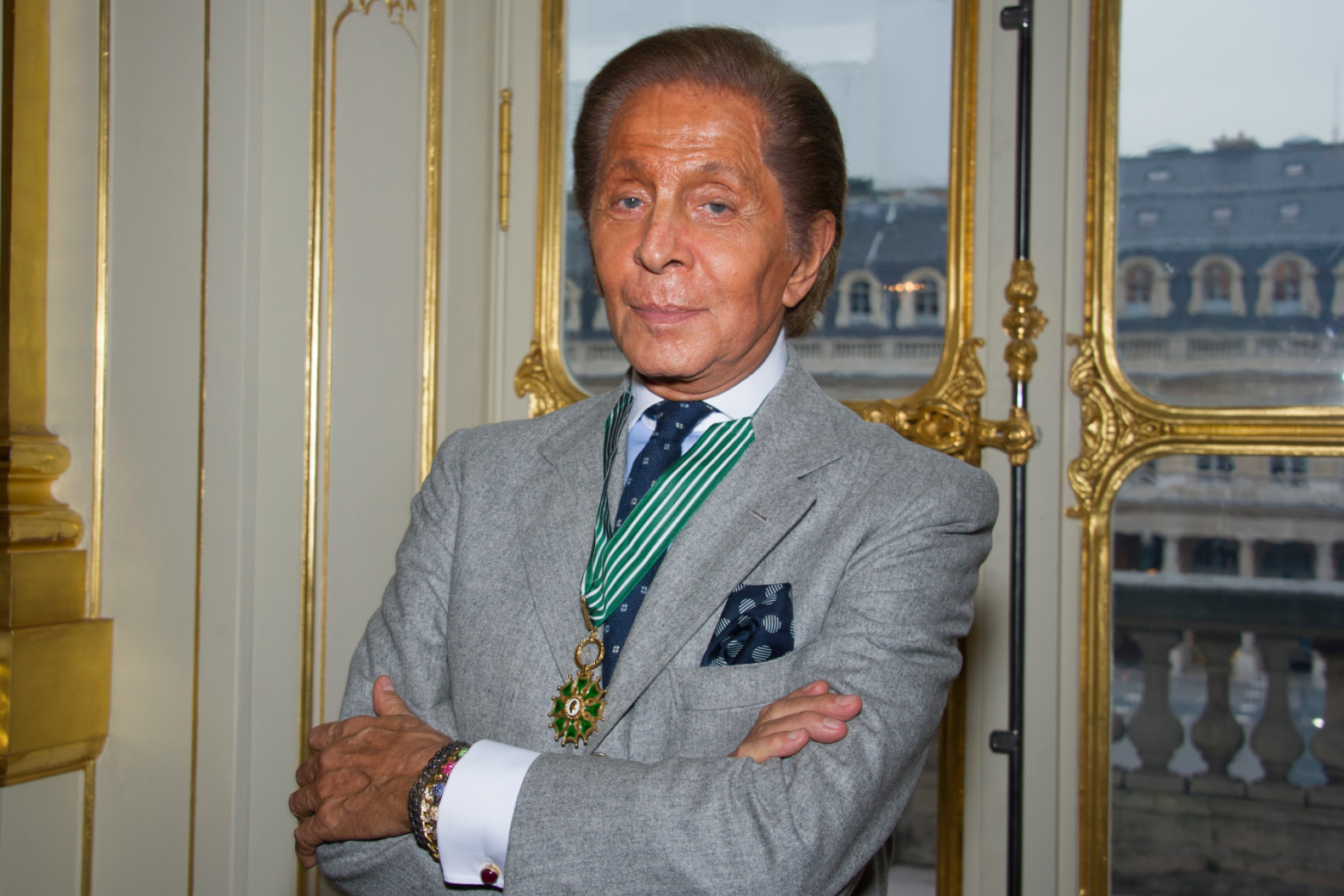
Valentino Garavani dons a medal, celebrating a lifetime of accolades and contributions that cemented his legacy in the world of fashion.
The Future of the Valentino Brand
Following Valentino’s passing, the brand faces both challenges and opportunities in preserving his legacy. Pierpaolo Piccioli, the creative director of Valentino, continues to guide the fashion house, blending traditional couture techniques with contemporary aesthetics to appeal to a new generation of luxury consumers.
The Valentino brand also continues to expand its global retail presence, online platforms, and strategic collaborations with artists and brands, ensuring relevance in a rapidly evolving market. Additionally, the foundation’s cultural initiatives safeguard the designer’s influence in art and fashion education. While Valentino Garavani’s vision is irreplaceable, the company’s robust structure, diversified revenue streams, and careful brand stewardship suggest that the legacy he built over six decades will endure, inspiring future generations and maintaining the house’s status as a pinnacle of Italian luxury.
People Also Ask About Valentino Garavani and His Wealth
Who stands to inherit Valentino Garavani's estate?
Under Italian inheritance laws, his longtime partner Giancarlo Giammetti is expected to inherit a significant portion. Provisions are also likely in place for family members and the foundation, ensuring that Valentino’s cultural and philanthropic legacy endures.
What role did collaborations play in building his fortune?
Garavani’s collaborations extended beyond fashion. Partnerships included the design of a 1980 Alfa Romeo and licensing fragrance lines to international distributors, generating millions in revenue while expanding brand reach and influence.
How did Valentino Garavani influence modern luxury investments?
His approach inspired fashion houses to focus on brand equity, diversified portfolios, and strategic sales. The 2012 Qatari acquisition exemplifies how haute couture brands attract sovereign wealth funds for long-term growth and sustainable value.