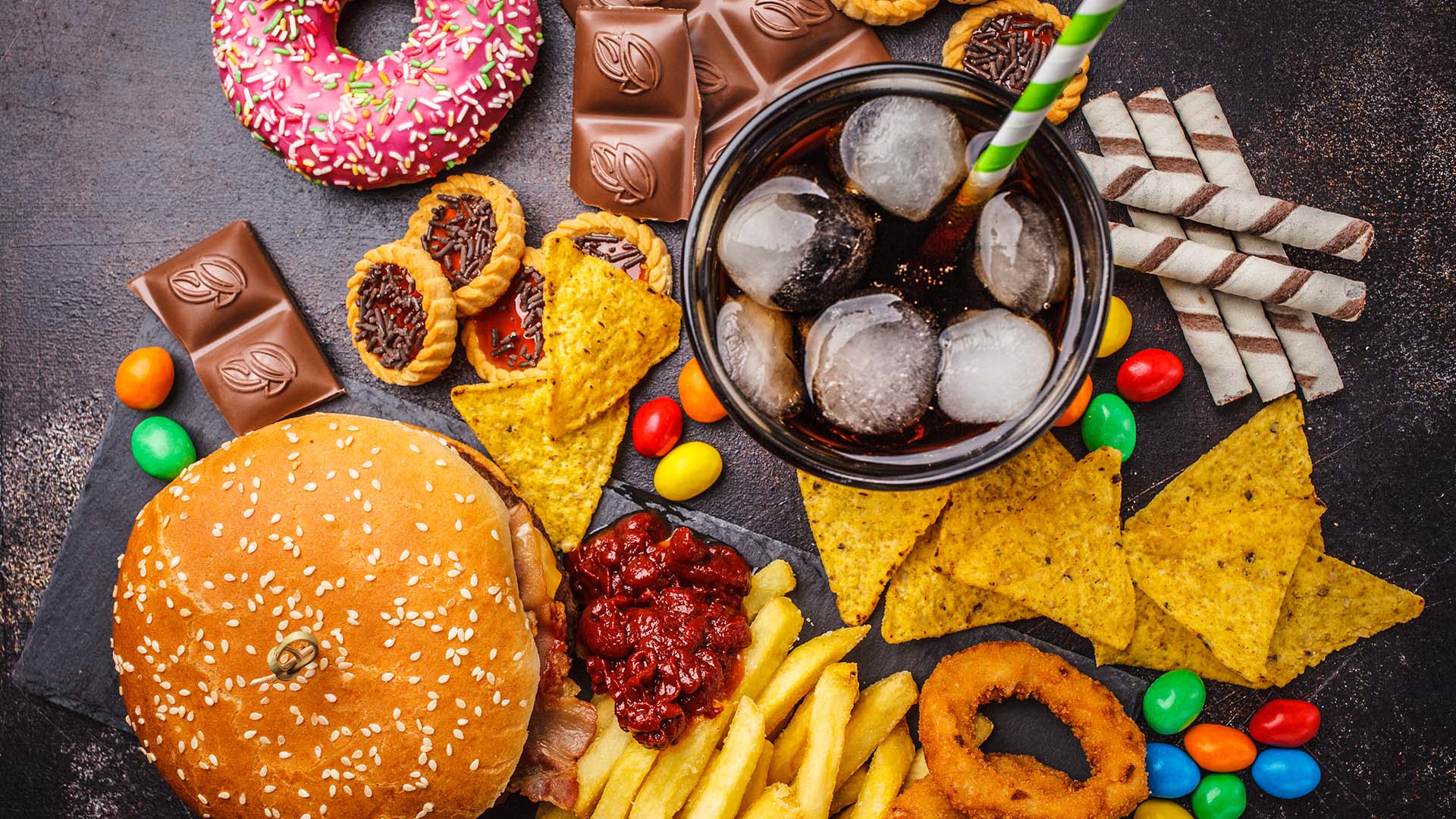
Two years ago, Rob Hobson, a registered nutritionist, decided to cut ultra-processed foods (UPFs) from his diet after learning about their links to chronic health problems. Speaking to Business Insider, Hobson said, “I was like a vigilante” in those first few months, trying to cook everything from scratch. Today, he takes a more balanced approach that combines convenience, nutrition, and enjoyment — and it’s a lifestyle that shows how practical dietary changes can stick over time.
Ultra-processed foods don’t have a strict definition, but they are generally industrially processed items containing ingredients you wouldn’t find in a home kitchen. Highly marketed, shelf-stable, and designed to hit an irresistible mix of sugar, salt, and fat, UPFs range from obvious items like frozen pizza to everyday staples such as packaged bread.
Cooking from Scratch — The Early Days
Hobson began his UPF-free journey by meal prepping and avoiding foods containing additives, including staples like ketchup and store-bought whole wheat bread. “I was like a vigilante,” he told Business Insider, reflecting on the intensity of those first three months. While effective, this approach quickly became too time-consuming to sustain.
Learning to Balance Convenience and Health
By 2024, Hobson had refined his approach. He incorporated what he considers “healthier” UPFs, such as high-quality store-bought pasta sauces, to save time while maintaining a balanced diet. “I still believe the first port of call is cooking everything as much as you can from scratch. But I’m not going to give myself a hard time about buying tomato sauce. I’ll just buy the best one I possibly can,” he explained.
Today, Hobson mostly eats whole, unprocessed foods but allows himself wine or chocolate when he craves it. He also uses healthier UPFs when it makes sense for convenience. His philosophy has shifted from rigid avoidance to prioritizing both nutrition and practicality.
Refrigeration Over Freezing — Saving Time and Energy
Hobson initially batch-cooked meals and froze them, but the extra step of defrosting became tedious. “The food was just sitting in the freezer. I couldn’t really be bothered to defrost it,” he said.
Now, he cooks meals that last in the fridge for several days, like turkey chili. This allows him to enjoy the same dish with different sides throughout the week — rice one day, a baked potato the next, or in a wrap. “It saves me loads of time, and it’s so nice when there’s stuff in the fridge that’s ready to just heat up in a pan,” Hobson added.
Pressure Cooker Power — Quick, Effortless Meals
To further reduce cooking time, Hobson bought a pressure cooker, an airtight device that quickly cooks food using steam. This tool allows him to prepare stews, curries, and other one-pot meals with minimal supervision. “It’s much easier for me to batch cook with very little effort,” he said, noting that the device fits perfectly into a busy lifestyle.
The Real Impact on Daily Life
Hobson’s story shows a broader trend: people want to eat healthier without adding hours of cooking to their day. By prioritizing convenience and nutrition, he demonstrates that it’s possible to reduce ultra-processed foods in a practical, sustainable way. His approach balances health goals, time management, and real-world flexibility — a model that many busy professionals and parents can adopt.
The takeaway is clear: cutting UPFs doesn’t mean perfection. Strategic choices, like buying quality store-bought items and leveraging modern cooking tools, can make a healthy diet achievable for those with packed schedules.
Where the Pressure Is Building
The challenge for most people is not knowing which UPFs are acceptable and which should be avoided. Hobson’s insights indicate that a strict, punitive approach often leads to burnout. Instead, balancing whole foods with occasional convenience items reduces the pressure while maintaining nutritional integrity.
Moreover, lifestyle pressures — work, family, and social commitments — make rigid meal prep difficult. Hobson’s story illustrates that flexibility, planning, and smart use of appliances like pressure cookers are critical to maintaining long-term health improvements.
What Happens Next
Experts predict that the conversation around UPFs will continue evolving. New research may further clarify which processed foods offer nutritional benefits, while consumer demand drives the market toward more health-conscious convenience products. Individuals like Hobson, who blend practicality with nutrition, set an example for making small but meaningful lifestyle changes that last.
As awareness grows, more people will likely embrace hybrid strategies: cooking from scratch when possible, using high-quality convenience foods when needed, and adopting tools that simplify meal preparation.
The Bottom Line
Rob Hobson’s two-year journey highlights that sustainable dietary change is about balance, not rigidity. By prioritizing convenience without sacrificing health, he has created a flexible routine that supports both nutrition and a busy lifestyle. For readers, the lesson is simple: reducing ultra-processed foods doesn’t require an all-or-nothing approach. Thoughtful choices, smart appliances, and occasional indulgences make the journey manageable, effective, and long-lasting.
Frequently Asked Questions About Cutting Ultra-Processed Foods
What counts as a “healthier” ultra-processed food?
Foods like fortified cereals or high-quality flavored yogurts can offer vitamins, calcium, or protein, making them a better option when convenience is needed.
How can I reduce UPFs without cooking all day?
Batch-cooking meals that last in the fridge and using tools like pressure cookers can cut prep time while keeping meals nutritious.
Is it okay to eat chocolate or wine while reducing UPFs?
Yes. Hobson emphasizes moderation: allowing occasional indulgences prevents burnout and makes long-term habits sustainable.