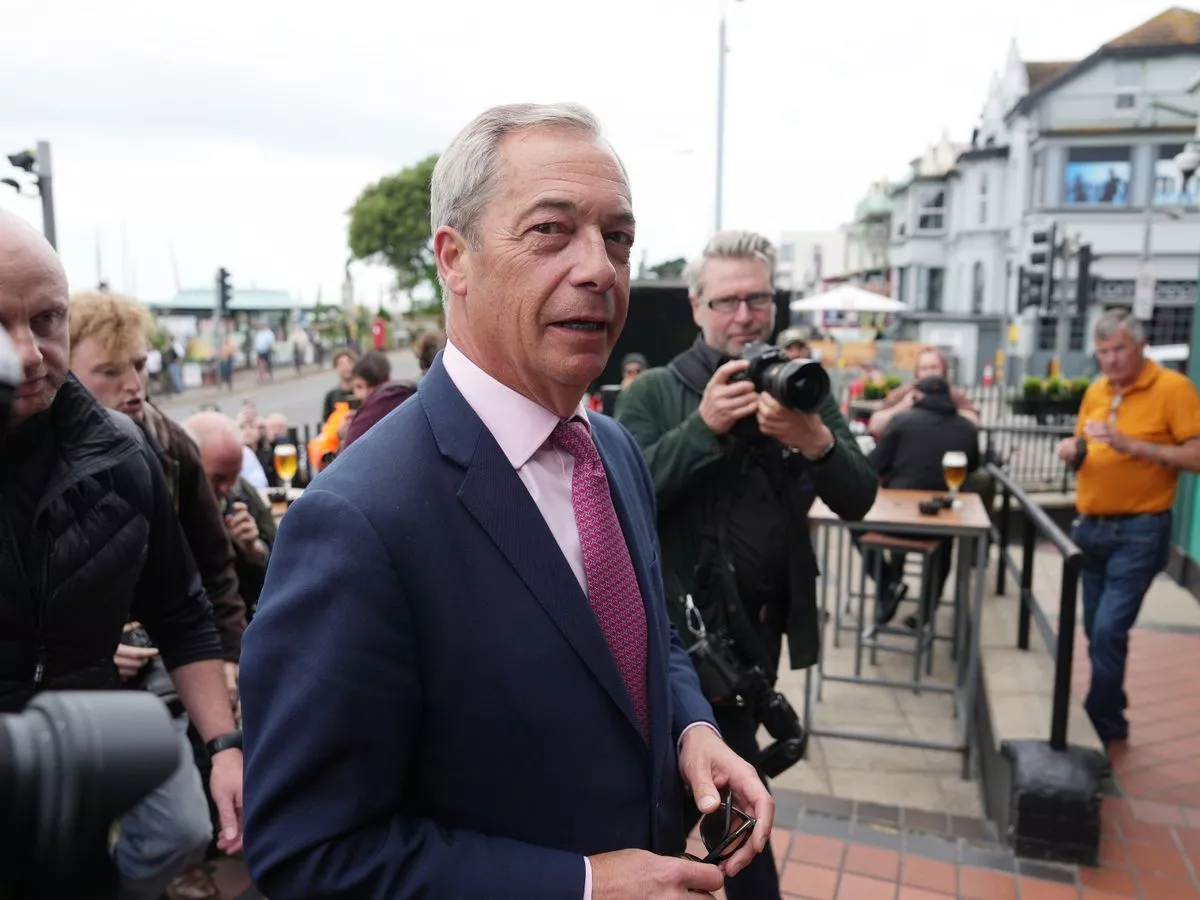
Nigel Farage has once again found himself at the centre of a political storm — this time not over Brexit, immigration, or culture wars, but over money, transparency, and accountability at the heart of Westminster.
The parliamentary watchdog has ruled that Farage breached MPs’ rules 17 separate times by failing to declare £384,000 in earnings within the legally required timeframe. Despite the scale, frequency, and value of the late declarations, the case has now been closed with no sanctions, a decision that has triggered anger, disbelief, and renewed scrutiny of how parliamentary standards are enforced.
For critics, the outcome feels less like a procedural footnote and more like a defining test of whether the system treats high-profile politicians differently from everyone else.
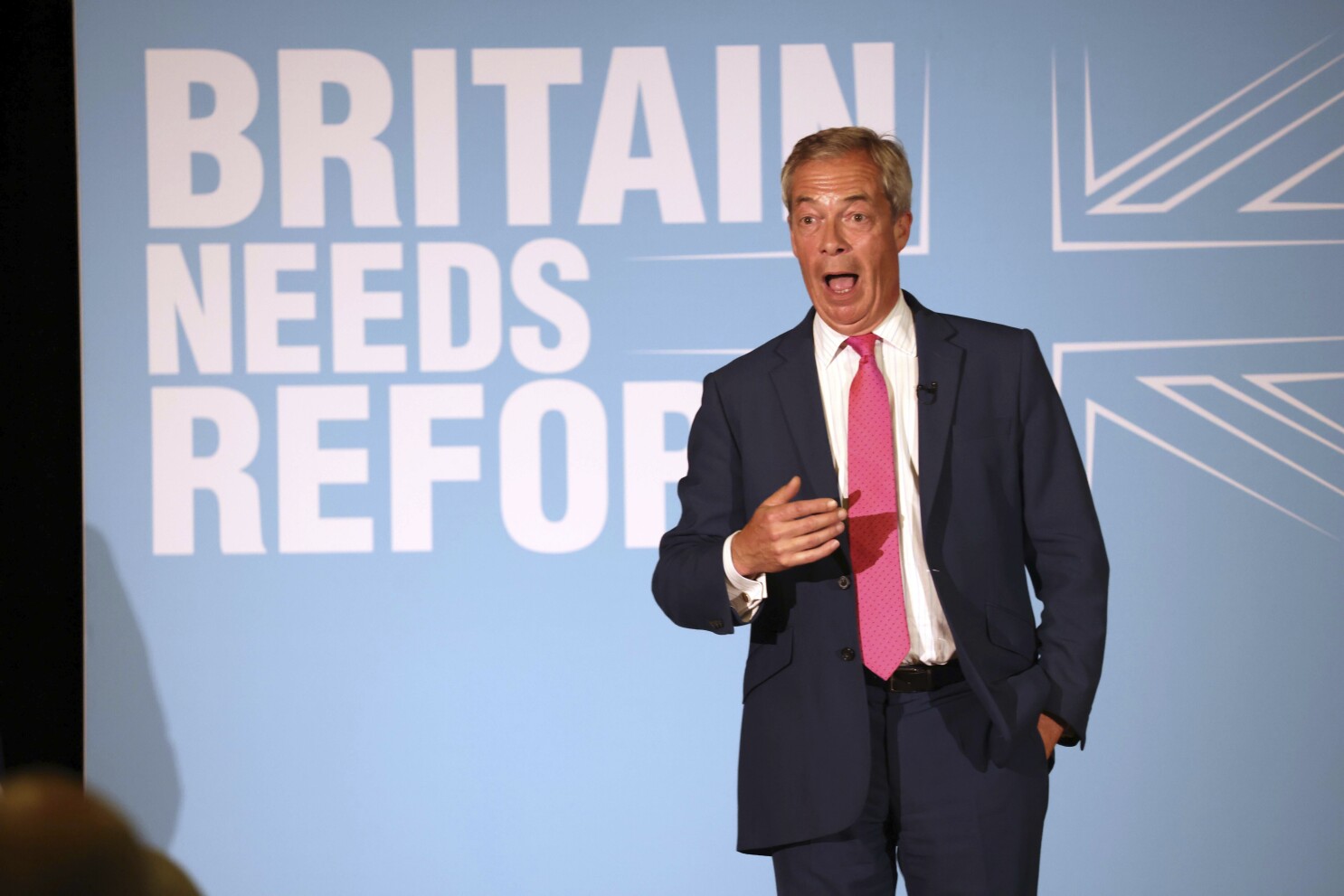
Farage continues his incendiary on-stage rhetoric, but recent school racism allegations now put his controversial brand under the spotlight, risking both reputation and revenue streams.
£384,000 Declared Late: What Nigel Farage Failed to Register
According to the parliamentary ruling, Farage failed to register multiple streams of income within the 28-day deadline required under MPs’ rules on financial transparency — a cornerstone of ethical oversight in public life.
The late declarations covered income from:
-
Appearances on GB News
-
Paid speaking engagements
-
Revenue from personalised Cameo videos
In several instances, the delays extended to as long as 120 days, more than four times the permitted window. Taken together, the unregistered income amounted to £384,000, a figure that dwarfs the outside earnings of most MPs and one that critics argue voters have a clear right to know about at the time the money is earned, not months later.
The rules are unambiguous. MPs are required to register relevant financial interests promptly so that the public, the media, and parliamentary authorities can assess whether outside earnings could influence political positions, parliamentary behaviour, or public commentary.
Late disclosure, critics argue, undermines that safeguard entirely.
Seventeen Breaches — But No Consequences
What has drawn the sharpest reaction is not simply that the rules were broken — but how often.
The watchdog confirmed 17 separate breaches, a figure that would normally raise serious concerns about compliance, governance, and respect for parliamentary standards. Yet the ruling concluded that the failures were “inadvertent”, attributing them to administrative failings rather than deliberate concealment.
The watchdog described the case as “finely balanced”, acknowledging both the scale and the repeated nature of the breaches — before ultimately deciding against any form of punishment.
There will be:
-
No suspension
-
No fine
-
No formal sanction
The case is closed.
For many observers, that conclusion is where confidence begins to fray.
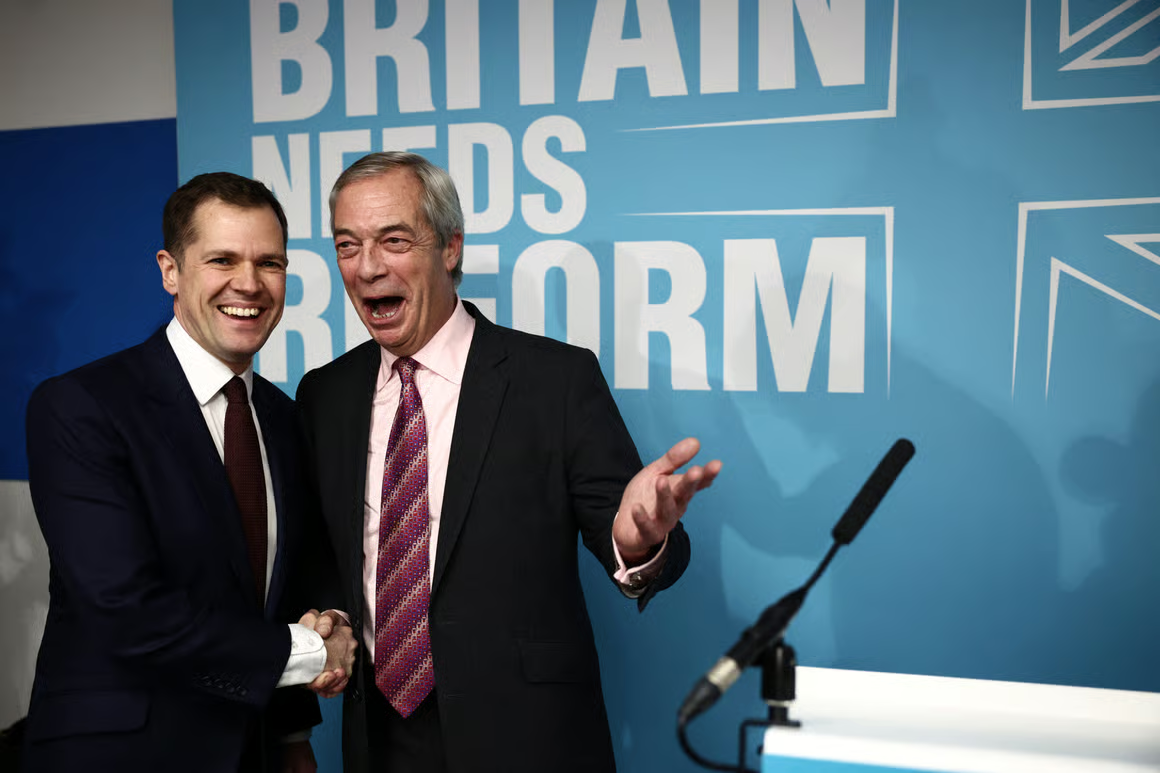
Robert Jenrick smiles as he shakes hands with Nigel Farage during his official unveiling as a Reform UK member, marking a dramatic break from the Conservatives and a new chapter in his political career.
Farage’s Defence: “I Rely on Staff — I Don’t Use Computers”
In his response, Farage apologised for the late registrations and said he relies on staff to handle his financial disclosures. He also stated that he does not personally use computers — a detail that has drawn widespread scepticism and online ridicule.
Supporters argue that this explanation aligns with the watchdog’s conclusion that the breaches were administrative rather than intentional. Critics, however, question whether delegating responsibility should absolve an MP of accountability — particularly when the sums involved approach £400,000 and the breaches occur 17 times.
For many, the explanation raises an uncomfortable question:
If an MP can repeatedly breach financial transparency rules by outsourcing compliance, what purpose do those rules actually serve?
Why This Ruling Has Reignited Anger Over Transparency
This decision lands at a moment when public trust in politics is already fragile.
Financial transparency rules exist for a reason. They are designed to ensure that elected officials are open about who pays them, how much they earn outside Parliament, and whether those financial interests could influence their conduct, commentary, or policy positions.
Critics argue that 17 breaches involving six-figure earnings cannot credibly be dismissed as minor administrative oversights — especially when MPs, councillors, and public officials have previously faced sanctions for far smaller or fewer infractions.
The outcome has reignited broader concerns about:
-
Whether prominent MPs are treated differently from backbenchers
-
How consistently parliamentary rules are enforced
-
Whether existing oversight mechanisms have meaningful consequences
To many members of the public, the ruling reinforces a long-standing suspicion that there is one set of rules for politicians and another for everyone else.
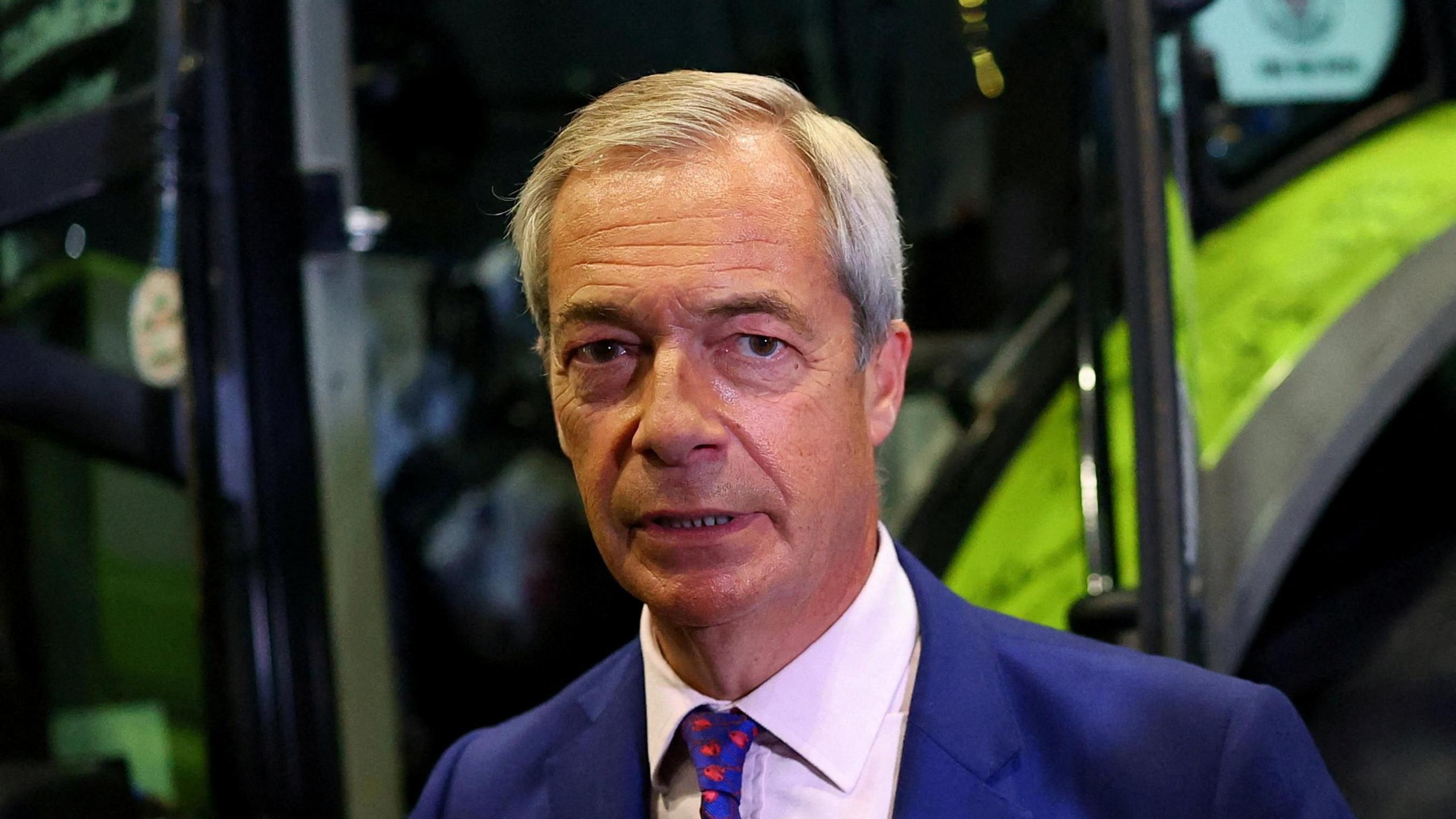
Caught off guard by mounting scrutiny, Farage faces growing pressure as allegations about his finances continue to take the spotlight.
The Political Context: Why This Matters Beyond One MP
Nigel Farage remains one of the most recognisable, influential, and polarising figures in British politics. His media work, speaking engagements, and commercial ventures are not peripheral to his public role — they are central to it.
That visibility makes timely and transparent financial disclosure more important, not less.
At a time when debates over political integrity, standards in public life, and democratic accountability dominate public discourse, this case has come to symbolise something larger than missed deadlines. It reflects how power, profile, and enforcement intersect — and where critics believe the system bends under pressure.
A Case Closed — But Questions That Refuse to Go Away
The watchdog may have closed its file, but public scrutiny is unlikely to fade.
Was the decision proportionate?
Were the rules applied consistently?
And would a lesser-known MP have walked away without consequences?
Those questions linger long after the ruling itself.
For now, Nigel Farage faces no punishment despite 17 confirmed breaches and £384,000 in late financial declarations — an outcome that has left critics frustrated, voters sceptical, and renewed calls growing louder for tougher, clearer enforcement of parliamentary standards.
Questions the Public Is Now Asking About MPs’ Financial Rules
Who oversees MPs’ financial disclosures and how independent is the watchdog?
MPs’ financial interests are monitored by the Parliamentary Commissioner for Standards, an independent officer of the House of Commons. While the role is designed to be non-partisan, critics argue its powers are limited. The commissioner can investigate and recommend action, but enforcement ultimately depends on parliamentary processes rather than an external regulator, which some say weakens accountability when cases involve high-profile figures.
Have other MPs been punished for late financial declarations in the past?
Yes. Previous cases show that MPs have faced sanctions — including formal apologies, suspensions, and reprimands — for failing to declare financial interests on time, even when the sums involved were far smaller and the breaches fewer. This contrast has fuelled claims that outcomes can vary depending on prominence, media pressure, and political context rather than strict consistency.
Could parliamentary rules change as a result of this case?
Potentially. Controversial rulings often prompt calls for reform, including clearer penalties for repeated breaches, stricter timelines, and automatic sanctions when disclosure deadlines are missed. While no changes are guaranteed, cases that trigger widespread public criticism frequently resurface during reviews of parliamentary standards, particularly when trust in political institutions is already under strain.