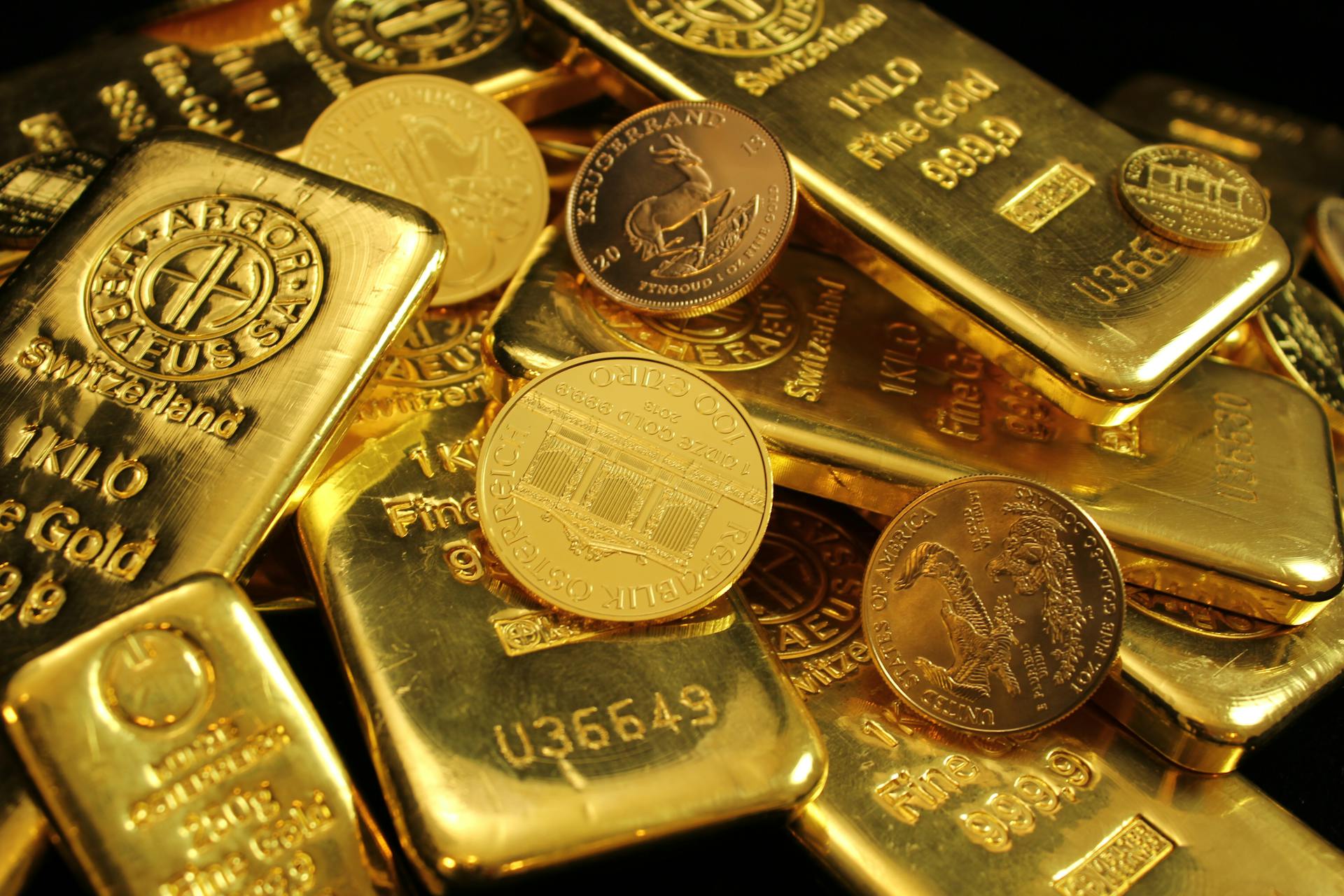
Gold prices smashed records again on Monday, climbing above $5,100 per ounce as investors flocked to safe-haven assets amid mounting global tensions. Spot gold briefly hit $5,110.50, with U.S. gold futures for February delivery also reaching a historic $5,086.30. Speaking to Reuters, market analyst Kyle Rodda noted, “This Trump administration has caused a permanent rupture in the way things are done, and so now everyone's kind of running to gold as the only alternative.”
The rally is not just a headline moment. For anyone wondering whether to buy gold or other precious metals, this surge signals both opportunity and caution. Gold’s record gains reflect broader investor anxiety, central bank strategies, and shifting currency dynamics — factors that could shape portfolios throughout 2026.
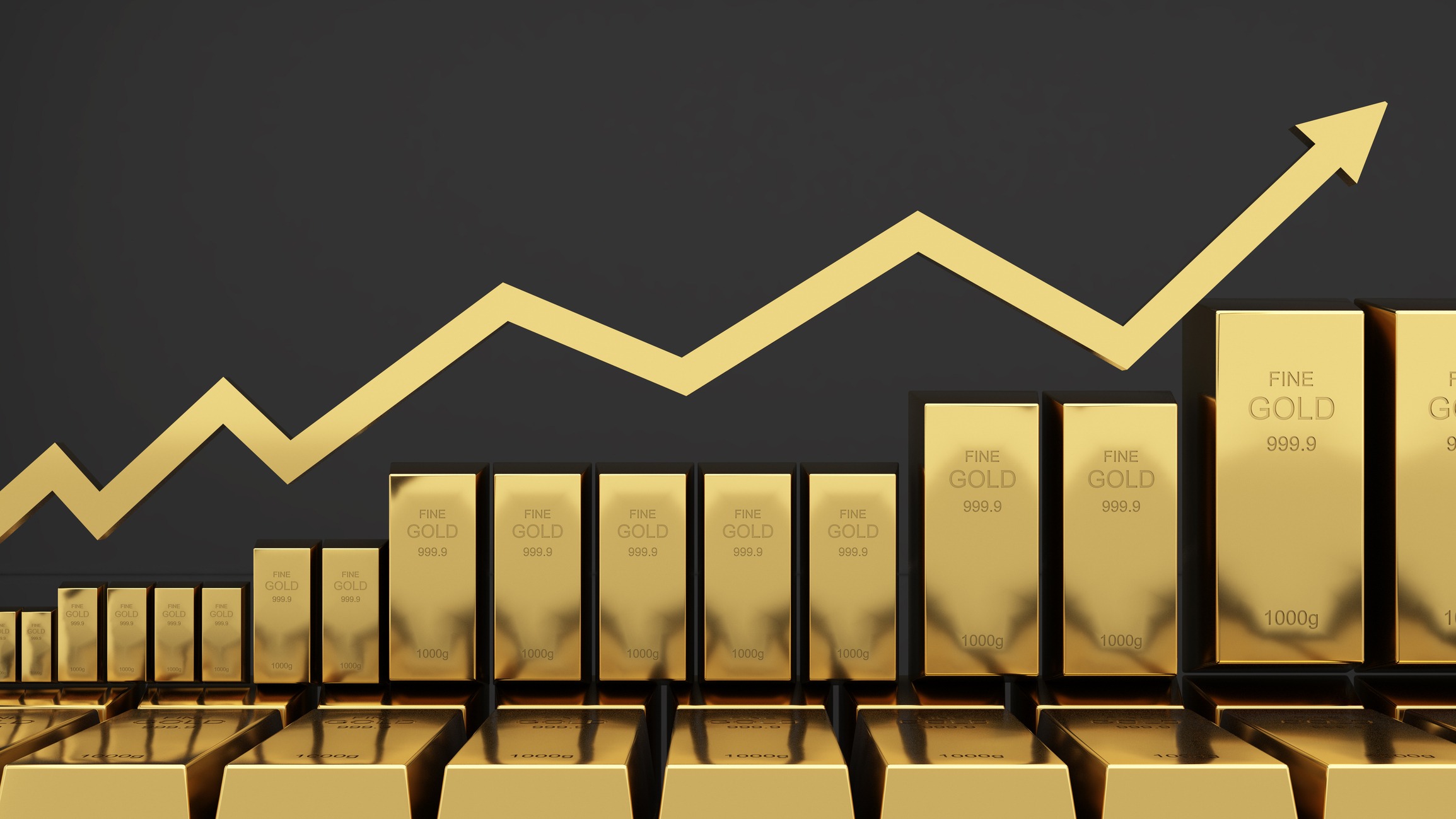
Gold bars accompanied by an upward arrow, representing soaring gold prices and the growing potential value.
Why Gold’s Rally Matters for Investors Today
The impact of gold’s spike extends beyond traders and hedge funds. A 64% gain in 2025 — the largest annual increase since 1979 — has captured the attention of retail investors, central banks, and financial planners alike. Spot silver also surged past $109 an ounce, while platinum and palladium climbed to multi-year highs.
Investors are reacting to a mix of factors. Safe-haven demand is surging amid geopolitical unpredictability, from trade tensions to emerging international conflicts. Central banks continue to buy heavily, with China marking its 14th consecutive month of gold accumulation in December. At the same time, U.S. monetary easing has weakened the dollar, making gold more affordable for holders of other currencies.
“This is not just a short-term spike,” says Philip Newman, director at Metals Focus. “Our current forecast suggests that prices could peak at around $5,500 later this year.” For everyday investors, the lesson is clear: precious metals are no longer a niche play. They have become a cornerstone for those seeking security against market volatility.
How Global Tensions and Market Forces Are Shaping Prices
The gold surge is creating ripple effects across currencies and exchange-traded funds. The U.S. dollar has weakened against the yen and other major currencies, enhancing gold’s appeal for international buyers. ETFs focused on precious metals are seeing record inflows, signaling a growing interest from retail investors.
Markets are facing multiple stress points at once. Political uncertainty, unpredictable tariffs, and investor concern over traditional assets have combined with high demand and tight supply to push prices upward. Newman warns that while temporary pullbacks are likely, each correction is typically brief, quickly met with renewed buying. For readers considering entry into the market, these dynamics illustrate both risk and opportunity: volatility creates chances for well-timed investments.
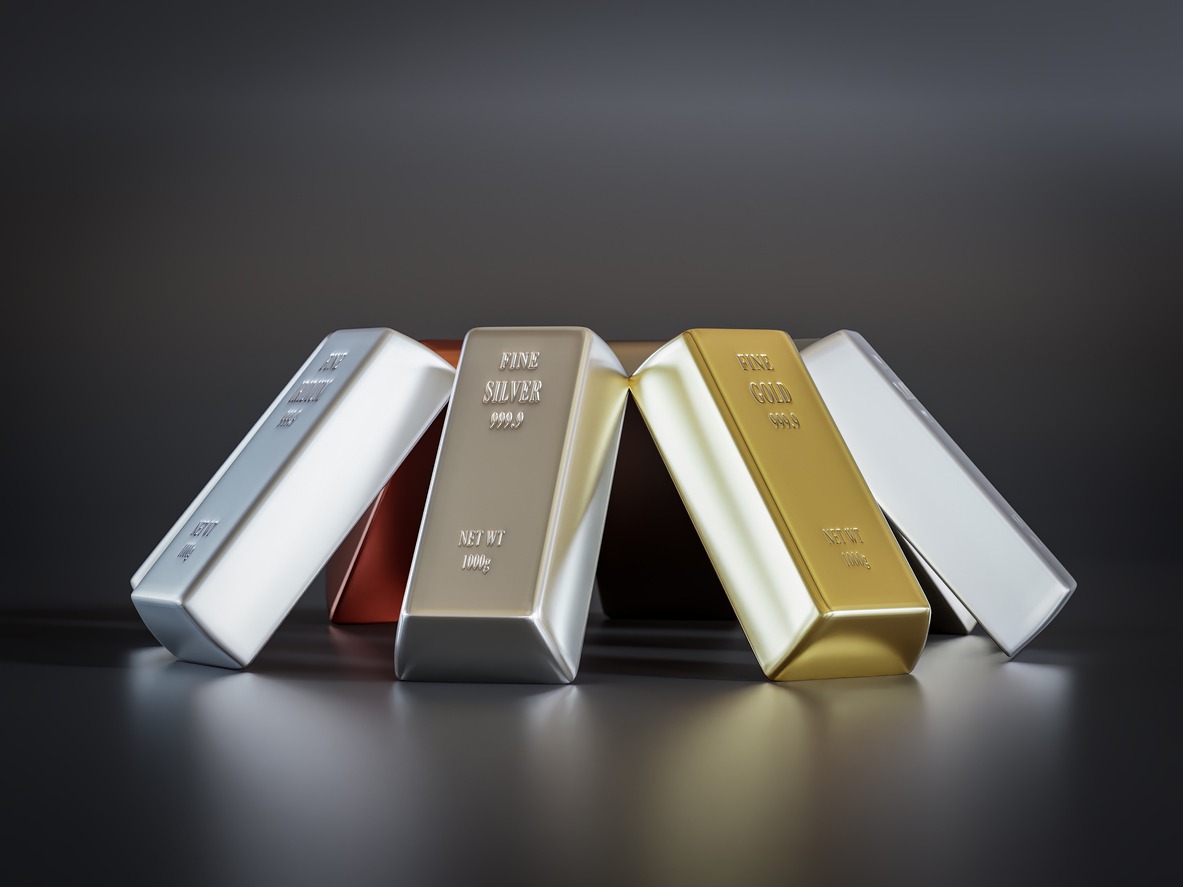
Investors are returning to safer assets in 2026, with bronze, silver, and gold bars representing stability and protection amid economic uncertainty.
What Could Push Gold Toward $6,000 This Year
Looking ahead, analysts expect gold prices to continue their upward trajectory throughout 2026. Geopolitical volatility, central bank strategies, and ongoing inflation hedging all point to sustained demand. Silver, platinum, and palladium are also riding the momentum, reinforcing a broader metals rally.
Experts caution that timing, exposure, and strategy remain critical. Investors weighing entry should consider phased purchases, physical storage options, or ETFs to balance risk with liquidity. The message for the public is clear: the surge is not simply a trend, it reflects real, tangible pressures shaping markets and portfolios alike.
The Bottom Line for Anyone Watching the Market
For everyday investors, gold’s record-breaking climb is more than just a price story. It is a signal of broader market nervousness and a reminder that safe-haven assets are increasingly vital. Short-term gains may be tempting, but understanding the underlying forces — political, economic, and monetary — is essential for informed decision-making.
Gold today represents security, not speculation. Those who recognize the drivers behind the rally, and plan their entry with strategy and caution, are likely to navigate 2026’s volatile markets most effectively.

Gold bars sit against a futuristic graph backdrop, highlighting the soaring value of U.S. reserves and potential revaluation opportunities.
Key Questions About Gold and Precious Metals Investing
How can I physically buy gold safely as an everyday investor?
Everyday investors have several options for owning physical gold. Coins, bars, and bullion can be purchased from accredited dealers or banks. Safety involves using insured storage, such as bank vaults or specialized precious metal storage services, and ensuring authenticity certificates accompany any purchase. Physical gold can provide a tangible hedge, but it requires planning for secure storage and liquidity.
Are gold ETFs as reliable as owning actual gold?
Gold exchange-traded funds (ETFs) offer exposure without the challenges of storage and transport. ETFs track the price of gold and are easy to trade, but investors do not own the physical metal. For some, this provides convenience and liquidity, while for others, direct ownership remains preferable, particularly during periods of extreme market stress.
How do geopolitical events impact gold prices beyond immediate spikes?
Gold’s appeal is often tied to uncertainty, but its price can remain elevated for months after geopolitical events. Conflicts, trade disputes, and sanctions drive long-term safe-haven demand. Investors should watch global developments carefully, as sustained uncertainty tends to support higher prices, whereas quick resolutions can lead to temporary pullbacks.