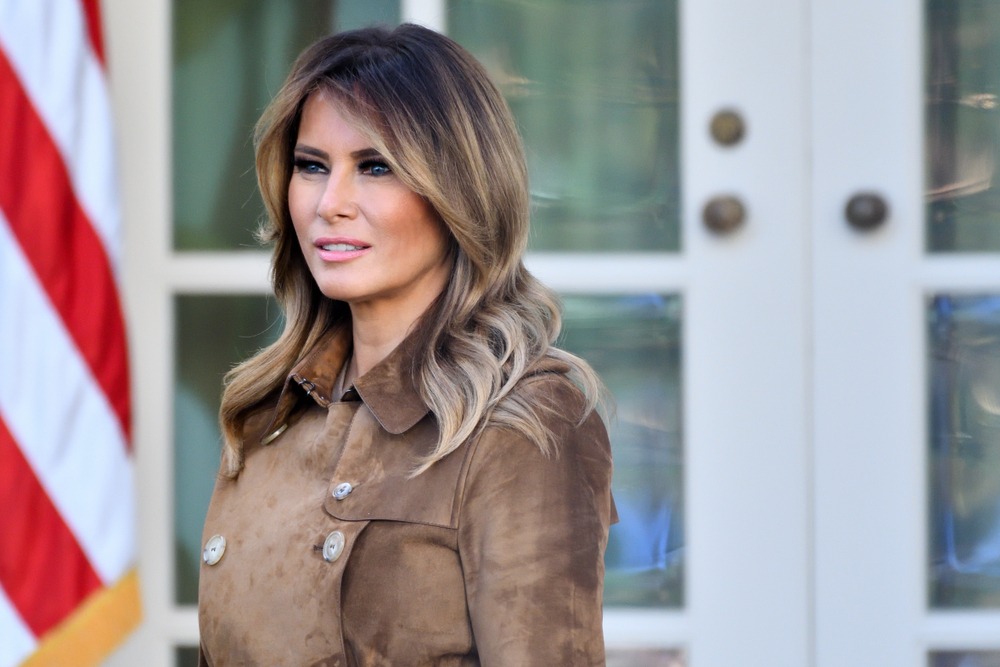
Melania Trump’s return to the spotlight has hit an unexpected wall in the UK, where her new documentary opened to almost empty cinemas in London. According to reporting by The Guardian, just one ticket was sold for a mid-afternoon screening at an Islington cinema ahead of the film’s UK premiere, with only two seats filled for an evening showing at the same venue. Several major London multiplexes, including Vue locations, reportedly recorded zero advance ticket sales across scheduled screenings.
The documentary follows the US First Lady during the 20 days leading up to President Donald Trump’s second inauguration, offering behind-the-scenes access to her daily life at a moment of intense public scrutiny. The film was positioned as a rare, controlled glimpse inside a period often defined by noise and speculation, and was heavily promoted in the United States ahead of its international rollout. In Britain, however, early audience response has been notably muted.
Cinemas Defend Decision to Screen Film
Cinema chain Vue confirmed it had faced criticism for choosing to screen the film, but defended the decision on principle. Speaking to The Telegraph, Vue CEO Tim Richards said exhibitors should not act as cultural gatekeepers, explaining that once a film is approved by the British Board of Film Classification, it deserves to be shown regardless of political or public opinion. The documentary received BBFC clearance and proceeded with its planned release.
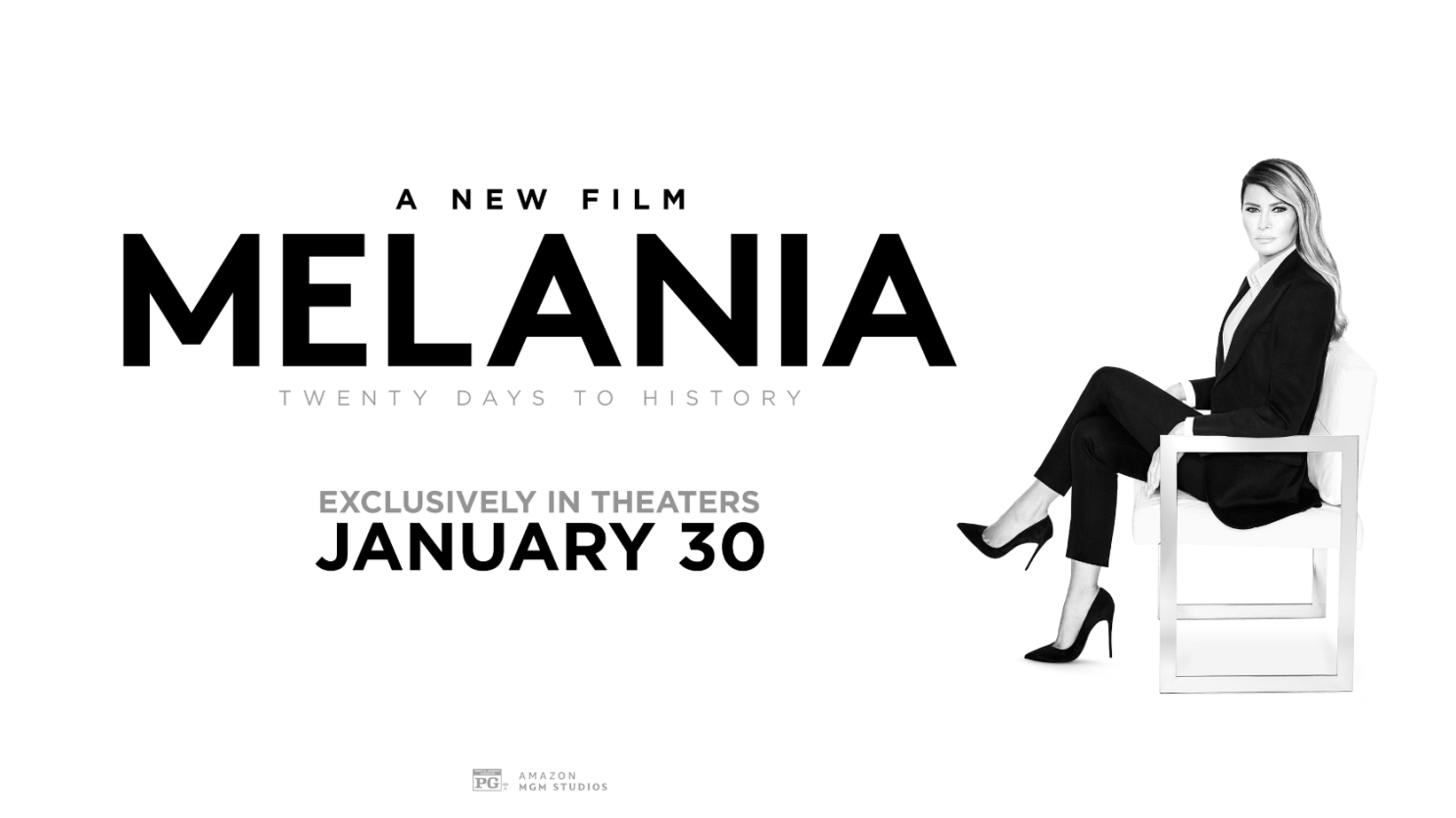
The official poster for Melania Trump’s Amazon documentary highlights the First Lady as the film gears up for its 20-city theatrical premiere in 2026.
A $40 Million Bet on Control and Privacy
Behind the quiet opening sits a striking financial backdrop. The project was produced under a reported $40 million deal with Amazon MGM Studios, a figure that has become inseparable from discussion of the film’s reception. Those close to the production have framed the investment not as excess, but as a form of protection and autonomy.
At the highest levels of public life, shaping one’s own narrative often requires substantial resources, particularly when privacy is scarce and scrutiny constant.
Inside the Film’s Controlled World
The film itself leans into that idea of control. Viewers are taken into fitting rooms, private offices, and secure corridors where the pace alternates between long stretches of stillness and sudden urgency. There are scenes of Melania Trump preparing for public appearances, conferring quietly with aides, and navigating the choreography of Inauguration Day. The tone is polished and restrained, but it also highlights the tension of living under permanent observation.
Beyond aesthetics, the documentary presents Melania Trump as an active participant rather than a passive presence. It touches on her role as an adviser to the president, including her influence on the tone and presentation of his inaugural address. It also documents diplomatic engagements, interactions with the Secret Service, and moments inside the First Family that are framed as deliberately human rather than performative.
Audience Resistance and the Question of Appetite
Despite that access, the film’s UK debut suggests a disconnect between intention and audience appetite. The contrast between a multi-million-dollar production and rows of empty seats has fuelled questions about whether British viewers are resistant to high-budget personal narratives tied to global power. While the film has generated attention for its price tag and proximity to the White House, curiosity alone has not translated into ticket sales.
A Broader Pattern Among High-Profile Figures
This response is not entirely isolated. In recent years, several high-profile figures have invested heavily in documentaries and series designed to reclaim or stabilise their public image, only to discover that attention is no longer guaranteed by access or scale. Audiences appear increasingly selective, particularly when personal storytelling is backed by vast financial resources. The pattern suggests that while money can buy control, it cannot always buy engagement.
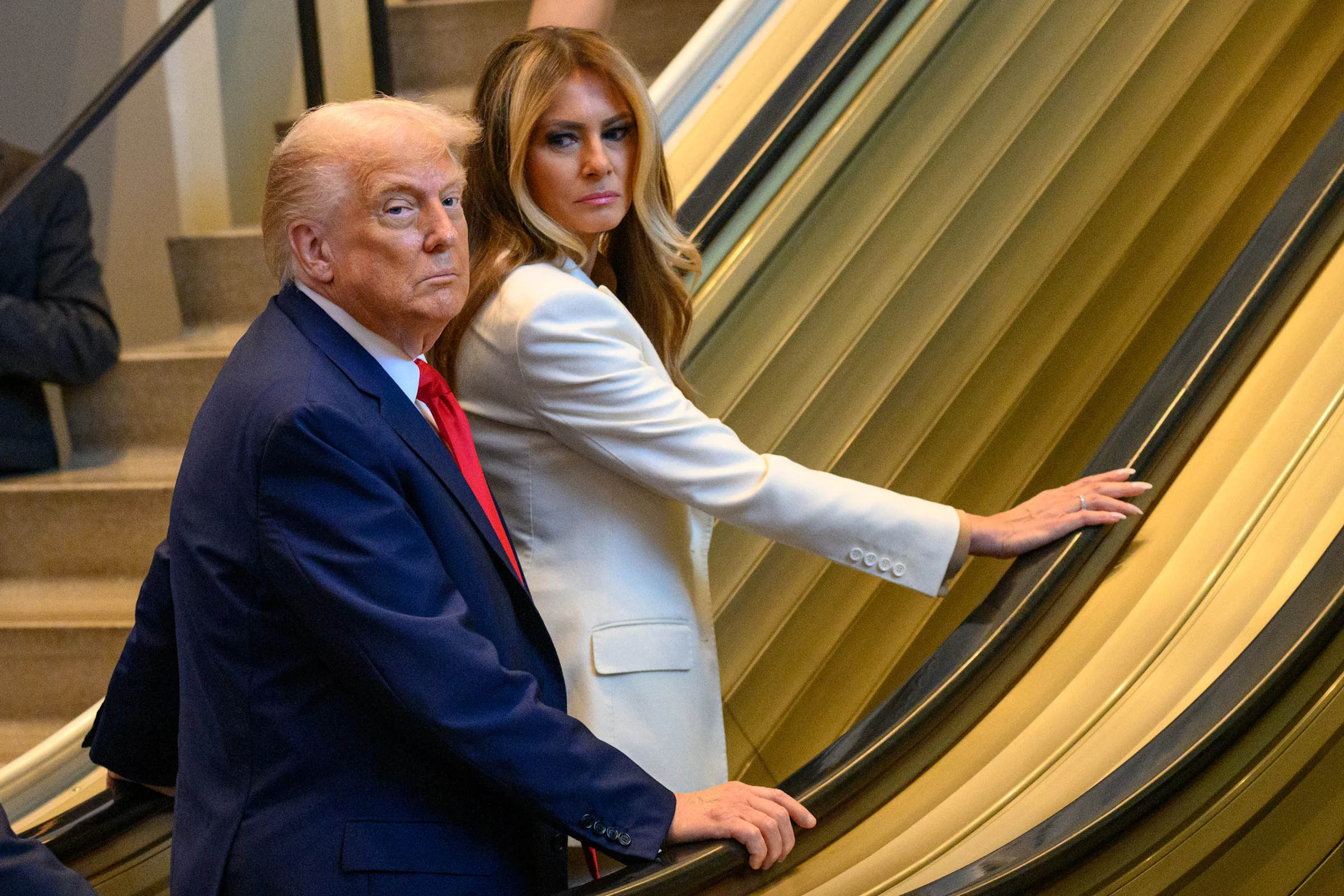
Melania Trump and Donald Trump are pictured on an escalator, drawing attention as the First Lady’s Amazon documentary prepares for its 2026 20-city premiere.
Resilience, Strategy, and What Comes Next
Still, for Melania Trump, the documentary represents a form of strategic resilience rather than retreat. It is part of a broader agreement with Amazon MGM Studios that reportedly includes a follow-up series focused on initiatives she has supported, including work related to children in foster care. The project was privately screened earlier this month at the White House for the president, the first lady, and close associates, underscoring the confidence placed in its message.
The UK release arrives at a moment when public figures are recalibrating how much of themselves to reveal and at what cost. The film’s quiet opening in London is a stark visual, particularly when set against its $40 million budget, but it also illustrates the risk inherent in choosing distance over spectacle. Not every audience will lean in, even when the access is genuine and the production immaculate.
The Cost of Choosing Distance
In the end, the empty seats raise a broader question about visibility and choice. When so much money is spent to create space, to protect identity, and to narrow the narrative, what happens when the room stays quiet? For some, that silence reads as rejection. For others, it may simply be the sound of opting out, and learning what independence actually costs at the top.