As Alex Honnold completes a groundbreaking free climb of Taipei 101, the world's tallest building from 2004 to 2010, in a live Netflix special that captivated audiences worldwide, the rock climbing icon faces renewed scrutiny over the modest compensation for such life-risking feats. Honnold’s net worth is estimated at $2 million, accumulated through sponsorships, speaking engagements, and media projects rather than extravagant pursuits. His career exemplifies a commitment to passion over profit, where extreme vertical challenges define both his lifestyle and public persona.
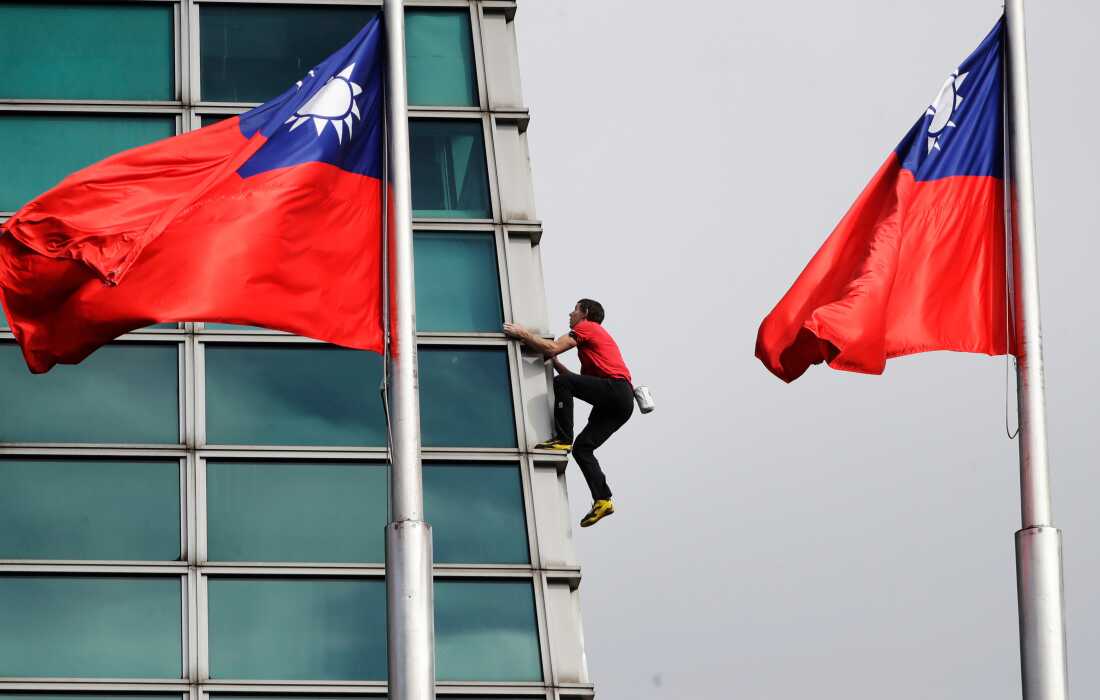
Alex Honnold starts his daring free climb of Taipei 101, capturing global attention for his high-risk urban ascent.
Early Life: Sacramento Suburbs Foster a Climber's Obsession
Alex Honnold was born on August 17, 1985, in Sacramento, California, to academics Ann and Bob Honnold, who encouraged intellectual curiosity and outdoor activity from a young age. Raised alongside an older brother, he discovered climbing at the age of nine through indoor gyms, quickly developing a passion that consumed his teenage years amid his parents' divorce. Honnold attended Mira Loma High School, balancing academics with relentless climbing training. He later enrolled at the University of California, Berkeley, to study civil engineering but dropped out after a year to pursue full-time climbing. These formative experiences, blending California adventure culture with self-reliant determination, propelled him into the world of big-wall ascents and set the stage for feats that would redefine free solo climbing.
Career: From Yosemite Walls to Global Icon and Environmental Advocate
Honnold’s professional path began in the mid-2000s with bold ascents in Yosemite National Park, including free solos of routes such as Astroman and Rostrum in 2007. These climbs earned him recognition in climbing circles for precision, focus, and mental fortitude. His breakthrough came in 2017 with the first free solo of El Capitan's Freerider route, a 3,000-foot granite wall climbed without ropes in under four hours, captured in the Oscar-winning film Free Solo in 2018. This monumental achievement launched him into mainstream fame.
Following this, Honnold expanded his repertoire with climbs like the Fitz Roy massif traverse in Patagonia in 2014 and multiple international expeditions, while also founding the Honnold Foundation in 2012 to fund solar energy initiatives in underserved communities. He continued blending extreme adventure with public visibility, including his Netflix-backed free climb of Taipei 101, a daring urban ascent live-streamed to global audiences. In addition to climbing, Honnold has authored books such as Alone on the Wall, further amplifying his influence in the climbing and environmental spheres.
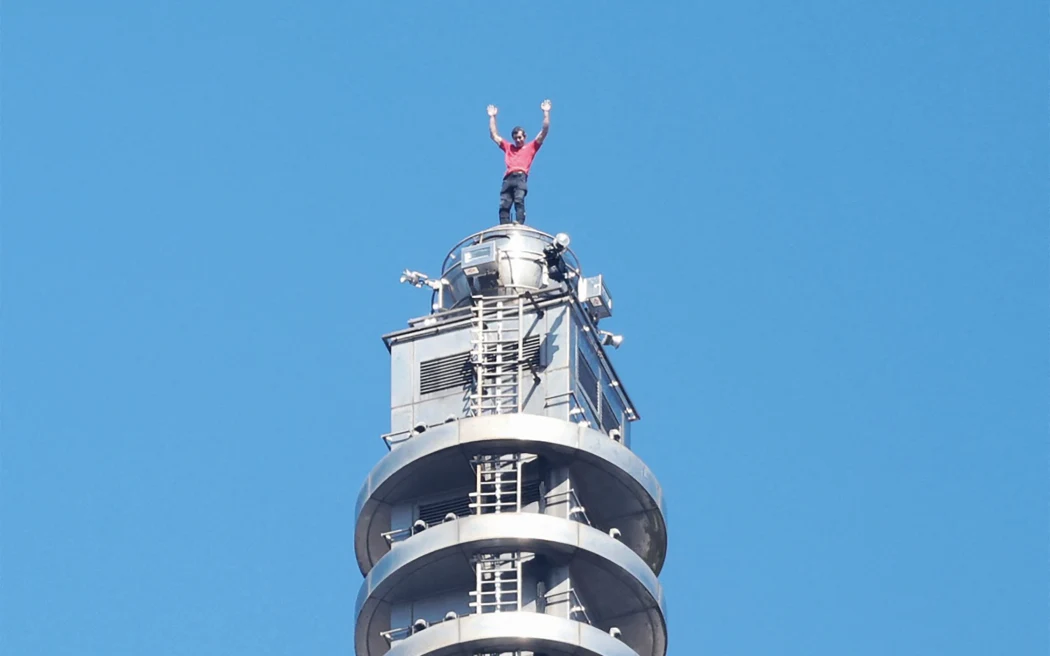
Alex Honnold reaches the top of Taipei 101, celebrating a successful and historic free climb that captivated viewers worldwide.
Net Worth: Modest Gains from Extreme Risks
Alex Honnold's net worth is estimated at $2 million, derived from sponsorships, media deals, and speaking fees that support his climbing lifestyle without the opulence seen in other professional athletes. This reflects a career built on passion rather than financial accumulation, with measured investments in experiences and philanthropy rather than material excess.
Net Worth Breakdown
Honnold earns through long-term endorsements with brands like The North Face, Black Diamond, and Goal Zero, providing annual income in the low six figures. Royalties from Free Solo contribute additional earnings, though reports indicate that media appearances, including his Taipei 101 Netflix climb, pay modestly relative to the extreme risk involved, with figures around $500,000. Speaking engagements add approximately $50,000 per event, allowing him to supplement sponsorship income while sharing his experience and expertise with audiences worldwide.
How Honnold Built His Wealth
Honnold’s financial growth emerged gradually. Early achievements in Yosemite attracted initial sponsors, and the success of Free Solo brought global recognition, increasing both media opportunities and speaking fees. Books and documentary royalties added supplementary income, while his ventures through the Honnold Foundation redirected resources toward philanthropy rather than personal wealth. The Taipei 101 climb, despite modest compensation, reinforced his visibility and marketability, paving the way for potential higher payouts in future urban or extreme climbing projects.
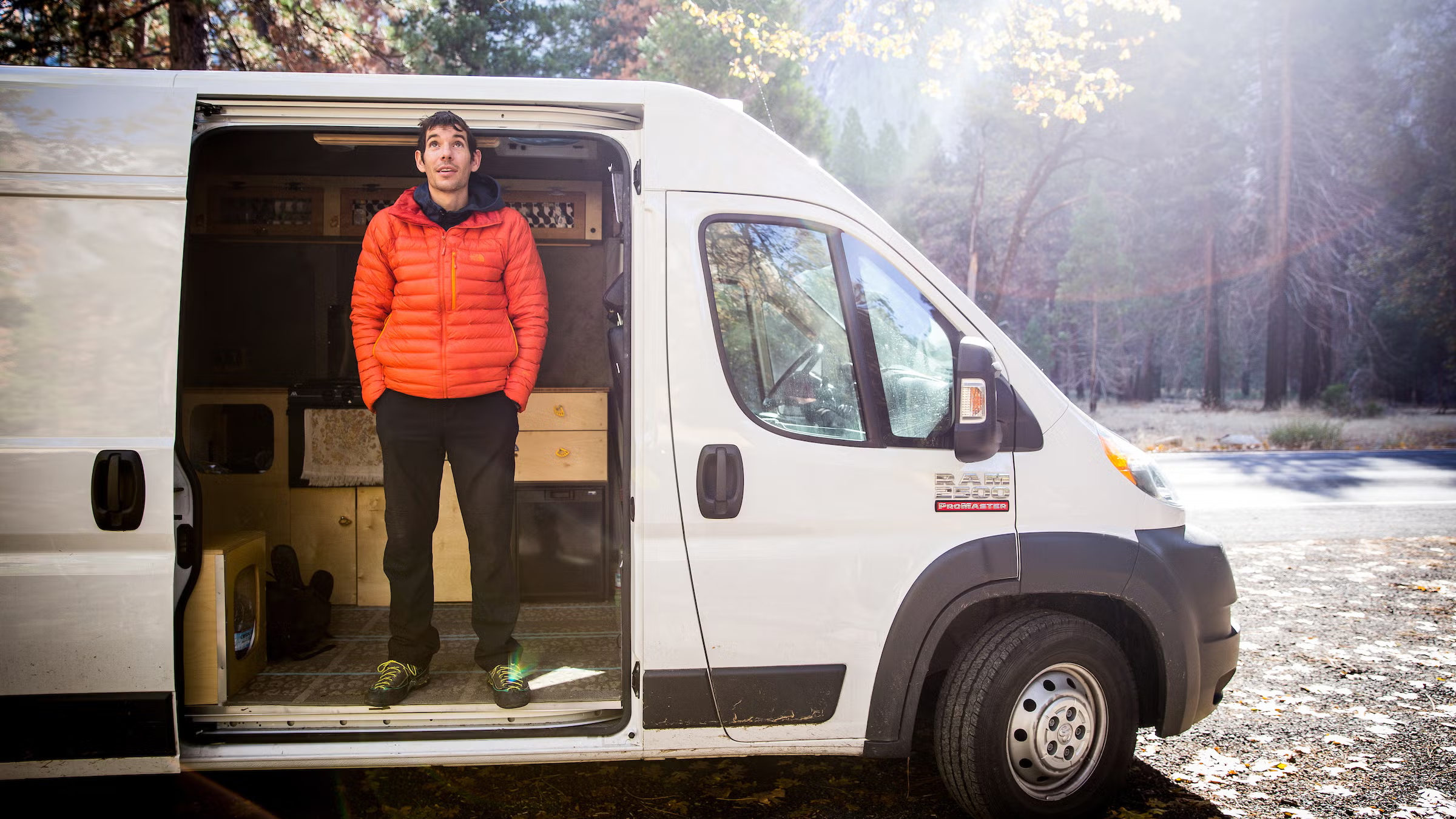
Alex Honnold in his customized van, highlighting his minimalist, mobile lifestyle designed for climbing adventures and off-grid family travel.
Lifestyle and Notable Assets: Van Life Meets Purposeful Simplicity
Honnold embraces a minimalist lifestyle alongside his wife, Sanni McCandless, whom he married in 2020 after a courthouse ceremony in California, and their daughter, Eve, born in 2022. The family prioritizes adventures, environmental causes, and meaningful experiences over material excess.
Primary Residence: Las Vegas Home
The couple resides in a modest Las Vegas home purchased in 2020 for $1.7 million. The 2.5-acre property, now valued around $2.5 million, offers ample space for outdoor activities and hosting Honnold Foundation events. The location was chosen for its proximity to climbing destinations like Red Rock Canyon, providing both practicality and access to adventure.
Secondary Property: Lake Tahoe Cabin
Honnold and McCandless also own a family cabin in Lake Tahoe, estimated at $500,000 to $1 million based on regional values. The cabin serves as a tranquil retreat for skiing and nature immersion, reflecting their outdoor ethos and dedication to spending quality time in natural settings.
Van Life: Mobility and Minimalism
For over a decade before marriage, Honnold famously lived out of a van. His first, a 2002 Ford Econoline E150, was customized for about $10,000 with essentials such as a bed, kitchenette, and solar panels. The van served as his mobile home for solo climbing expeditions, accumulating over 170,000 miles.
In recent years, he upgraded to a 2016 RAM Promaster 2500, converted for around $30,000 to $50,000. This version includes improved insulation, storage, and off-grid capabilities, making it suitable for family travel while emphasizing mobility and low environmental impact over luxury features.
Transportation and Gear
Honnold’s transportation remains functional and adventure-oriented. There are no reports of supercars or high-end vehicle fleets, as reliability and practicality are prioritized for travel to global climbing sites. Jewelry and luxury goods are notably absent, with Honnold favoring functional climbing gear over flashy items. Art or collectibles lean toward climbing memorabilia or nature-inspired pieces of minimal value, with resources directed toward sustainable living initiatives.
Philanthropy: Honnold Foundation
Philanthropy is central to Honnold’s lifestyle. The Honnold Foundation has raised over $10 million cumulatively by 2024 for solar energy projects worldwide. Honnold’s personal contributions reinforce his commitment to climate action, sustainability, and equity, ensuring that his wealth is used for global impact rather than personal luxury.
This purposeful simplicity—including homes totaling around $3 million to $4 million, vans valued under $100,000 combined, and a strong focus on giving—demonstrates Honnold's deliberate choice to live lightly on the planet while balancing extreme risks in climbing with grounded family life and meaningful environmental work.
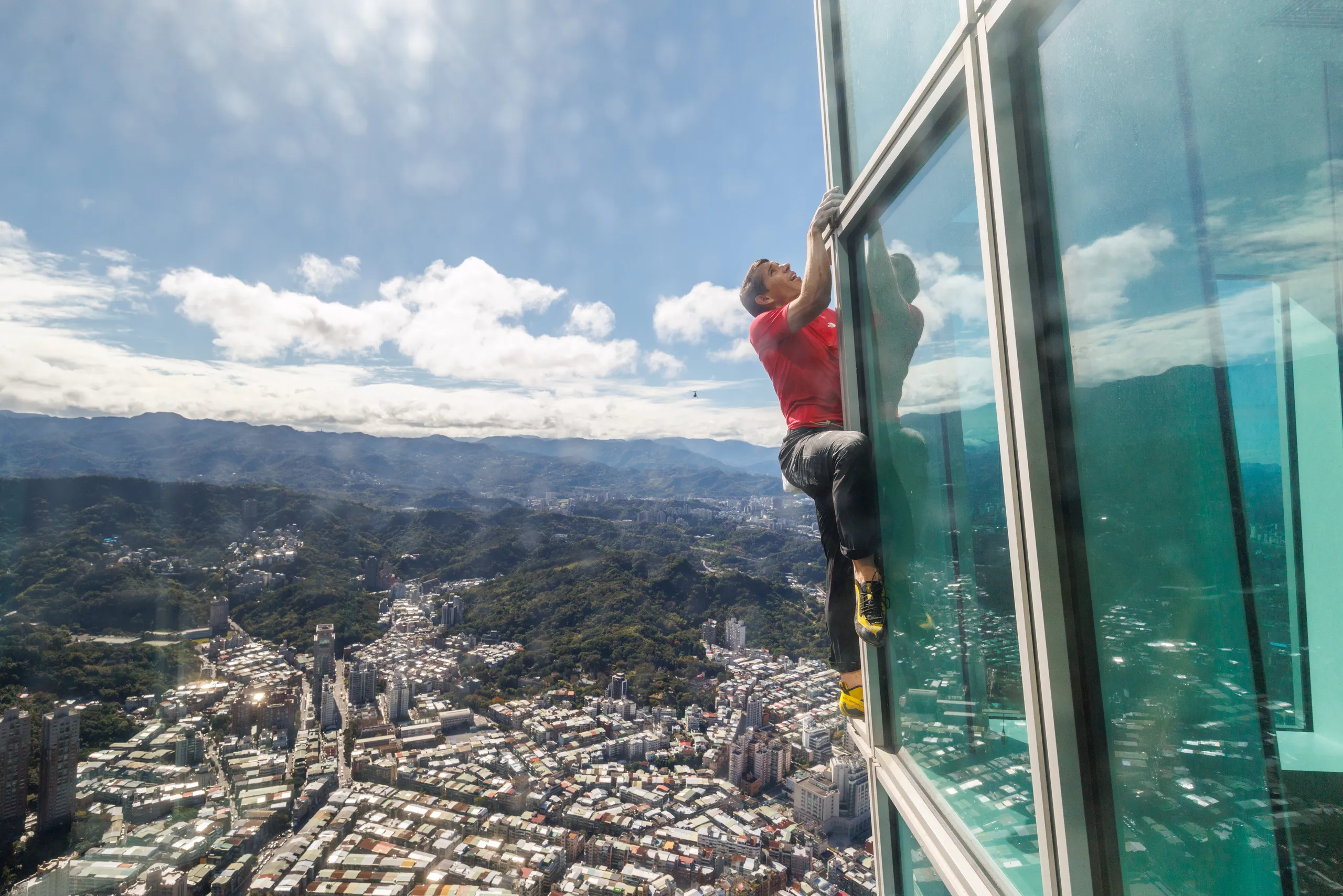
Alex Honnold pauses midway on Taipei 101, demonstrating precision, focus, and fearless skill during his high-stakes free climb.
People Also Ask: Fresh Angles on Honnold's Wealth and Impact
How has Free Solo's success influenced Honnold's earnings?
The Oscar-winning documentary elevated Honnold’s profile, boosting sponsorships and speaking fees over time, though he directs much of the income toward philanthropic initiatives.
What role does the Honnold Foundation play in his finances?
The nonprofit channels donations into solar energy projects, allowing Honnold to leverage visibility for global impact rather than personal enrichment.
Could future climbs like Taipei 101 lead to higher media payouts?
While current compensation is modest relative to risk, the growing visibility from Netflix specials may help negotiate higher payments for documentaries or media projects in the future.
Looking Ahead: Alex Honnold’s Influence and Future Ventures
Alex Honnold’s career demonstrates a rare combination of daring, discipline, and purpose. His climbs, from Yosemite’s granite walls to Taipei 101, capture public imagination and highlight the extremes of human potential. Beyond climbing, his Honnold Foundation channels resources into solar energy projects, exemplifying a commitment to environmental and social causes.
As he continues to take on audacious feats and advocate for sustainable living, Honnold’s influence is set to expand. His career is defined less by wealth accumulation and more by the impact of his achievements, the inspiration he provides to climbers worldwide, and his efforts to merge adventure with meaningful giving. Future urban climbs, media projects, and environmental initiatives promise to further cement Honnold as one of the most respected figures in both extreme sports and philanthropy.